The role of digital management tools and breeding records is to transform subjective observations into objective, actionable data. These systems integrate critical morphological and production metrics—specifically honey yield, queen egg-laying rates, and overwintering resistance—to evaluate colony performance. By applying specific algorithms to these statistical variables, breeders can classify colonies into distinct quality grades, establishing a standardized basis for genetic improvement.
The transition from manual observation to algorithmic management allows for the precise certification of genetic material. This systematic approach is the foundation for verifying colony quality, facilitating international exports, and driving commercial advancement in the beekeeping industry.
Transforming Raw Data into Genetic Intelligence
Consolidating Performance Metrics
Effective breeding requires tracking multiple variables simultaneously. Digital tools aggregate diverse data points, such as morphological traits and production figures, into a single cohesive record. This integration ensures that decisions are based on a holistic view of the colony's health and productivity.
Eliminating Environmental Noise
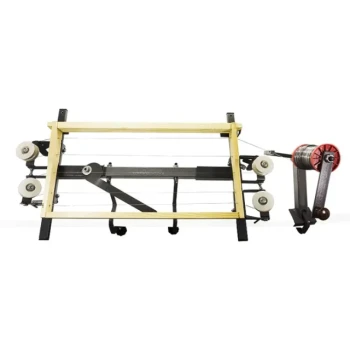
To ensure data accuracy, it is critical to isolate genetic traits from environmental factors. The use of standardized hive-making machinery provides a uniform physical environment for all experimental colonies. This consistency ensures that observed differences in performance are due to genetics rather than variations in the hive structure.
The Power of Algorithmic Classification
From Statistics to Quality Grades
Raw data alone is often too voluminous to interpret manually. Digital management tools utilize specific algorithms to process statistical variables collected from the field. This processing results in the automatic classification of breeding nuclei into distinct quality grades, simplifying selection decisions.
Accelerating Genomic Selection
Advanced recording systems enable the correlation of physical traits (phenotypes) with underlying genetic markers (genotypes). When automated management systems track long-term data like wintering performance, researchers can link specific DNA markers to real-world results. This connection accelerates the process of genomic selection breeding, allowing for faster stabilization of desirable traits.
Understanding the Trade-offs
The Requirement for Standardization
Digital tools are most effective when external variables are minimized. Reliance on these systems presupposes a commitment to standardized equipment and uniform management practices. Without a consistent physical environment, the algorithms may misinterpret environmental advantages as genetic superiority.
Data Integrity Dependence
The quality of the output is entirely dependent on the precision of the input. While algorithms can process complex statistics, they cannot correct for human error in data collection. Inaccurate recording of egg-laying rates or yield can lead to the misclassification of colonies, potentially propagating inferior genetics.
Making the Right Choice for Your Breeding Goals
Implementing digital management is a strategic decision that depends on your end goals for the apiary.
- If your primary focus is Commercial Certification and Export: Prioritize tools that apply algorithms to classify colonies into recognized quality grades to validate your stock for the market.
- If your primary focus is Genetic Research and Improvement: Focus on systems that integrate with standardized hive environments to accurately correlate genotypes with specific production phenotypes.
By anchoring your breeding program in data-driven management, you convert biological variability into a predictable, scalable asset.
Summary Table:
| Key Component | Role in Technical Management | Impact on Breeding Success |
|---|---|---|
| Data Integration | Aggregates yield, egg-laying, and resistance metrics. | Provides a holistic view of colony health. |
| Algorithms | Processes statistical variables into quality grades. | Simplifies selection and ensures standardization. |
| Standardization | Uses uniform hive machinery to isolate genetic traits. | Eliminates environmental bias in performance data. |
| Genomic Linking | Correlates phenotypes with DNA markers. | Accelerates the stabilization of desirable traits. |
Scale Your Breeding Operations with HONESTBEE
To achieve true genetic precision, you need more than just data—you need the right infrastructure. HONESTBEE caters to commercial apiaries and distributors with a comprehensive wholesale offering designed for industry leaders.
We provide the full spectrum of beekeeping tools, machinery, and equipment, including specialized hive-making hardware and honey-filling machines, ensuring the environmental consistency required for digital management tools to succeed. From essential consumables to honey-themed merchandise, our portfolio supports every facet of your commercial advancement.
Ready to modernize your apiary? Contact us today to explore our wholesale solutions!
References
- Tatiana Mardari, Nicolae Eremia. Particularitățile selecției albinelor locale. DOI: 10.61562/mgfa2023.24
This article is also based on technical information from HonestBee Knowledge Base .
Related Products
- HONESTBEE Adjustable Voltage Wire Embedder with Digital Display
- HONESTBEE 15-in-1 Beekeeper Multi-Tool with Hammer and Pliers for Beekeeping
- Plastic Beekeeping Honey Bee Larvae Grafting Tools for Queen Rearing and Chinese Grafting
- Ergonomic Plastic Frame Spacer Tool for Rapid Hive Management Beekeeping
- Economy Galvanized Beekeeping Honey Bee Smoker for Wholesale
People Also Ask
- How can combs be further strengthened? Embed Wires for Durable, High-Yield Hives
- What is an embedder in beekeeping? Essential Tool for Strengthening Wax Foundation & Hive Frames
- Why record environmental factors for Varroa tolerance? Separate Genetics from Climate to Identify Resilient Bee Colonies
- Why must honeybee colonies be selected based on specific breed standards for nutritional studies? Key to Data Integrity
- How does geographic location and temperature affect the timing of honeybee delivery? Ensure Successful Installation