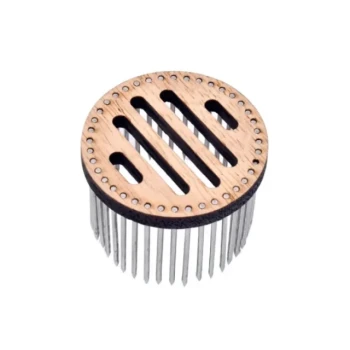
High-density polystyrene and wooden mating boxes serve as the foundational housing for mating nuclei, providing the essential physical space and thermal protection required for virgin queens and worker bees. These materials create a stable microclimate that is critical for the queen's development, emergence, and subsequent mating flights.
Core Takeaway: Success in queen rearing is heavily dependent on maintaining a stable internal temperature. High-density polystyrene offers superior insulation properties that mimic a natural nest, protecting the developing queen from external weather fluctuations and ensuring vital biological processes occur without interruption.
The Critical Role of Thermal Stability
Mimicking the Natural Nest
The primary biological challenge for a small mating nucleus is maintaining homeostasis. High-density polystyrene boxes are specifically engineered to offer superior thermal insulation.
This insulation effectively simulates the microclimate of a natural honey bee nest. By retaining internal heat, the material allows a small cluster of bees to maintain the necessary brood-rearing temperature with less metabolic effort.
Minimizing External Impact
Standard wooden boxes provide basic shelter, but polystyrene excels at minimizing the impact of external temperature fluctuations.
In variable climates, rapid drops in outside temperature can be fatal to developing queens. High-density materials act as a buffer, ensuring the internal environment remains consistent regardless of the weather outside.
Impact on Queen Development
Ensuring Smooth Emergence
The construction material directly affects the biological timeline of the colony. The stable temperature conditions provided by these boxes ensure that queen bee pupae can emerge smoothly.
Temperature stress during the pupal stage can lead to delayed emergence or developmental defects. Proper insulation mitigates this risk.
Supporting Mating Flights
For a queen to successfully mate, the colony must be active and the ambient temperature appropriate.
By maintaining a warm internal environment, the mating nucleus remains active and ready. This stability supports the queen in performing her mating flights under optimal physiological conditions.
Understanding the Trade-offs
Thermal Efficiency vs. Standard Durability
While both materials provide the necessary physical space, they offer different performance profiles regarding thermodynamics.
High-Density Polystyrene:
- Pro: Provides a "robust thermal balancing capability," making it ideal for early season rearing or cooler climates where heat retention is paramount.
- Con: While excellent for insulation, it must be handled carefully to maintain physical integrity over time compared to denser hardwoods.
Standard Wood:
- Pro: Represents the industry standard for durability and physical protection.
- Con: Lacks the advanced insulation properties of high-density polystyrene, potentially requiring a larger population of worker bees to maintain the same internal temperature.
Making the Right Choice for Your Goal
Selecting the correct mating box material depends on your specific environmental challenges and management goals.
- If your primary focus is thermal stability in variable climates: Prioritize high-density polystyrene to maximize insulation and simulate a natural nest environment for the developing queen.
- If your primary focus is standardizing equipment: Utilize wooden boxes, but ensure the nucleus is populated with sufficient worker bees to compensate for lower insulation values.
The material of your mating box is not just a container; it is an active component in the thermoregulation strategy that determines the success of your queen rearing.
Summary Table:
| Feature | High-Density Polystyrene | Standard Wooden Boxes |
|---|---|---|
| Primary Benefit | Superior thermal insulation | High physical durability |
| Microclimate | Highly stable; mimics natural nest | Standard; susceptible to external shifts |
| Metabolic Effort | Low; bees retain heat easily | Higher; requires more bees for heat |
| Ideal Climate | Variable or cooler regions | Stable, temperate environments |
| Queen Success | Maximized via stress reduction | Dependent on colony population density |
Elevate Your Queen Rearing Efficiency with HONESTBEE
Success in commercial beekeeping starts with high-quality queens. At HONESTBEE, we specialize in providing professional-grade mating boxes, specialized hardware, and honey-filling machinery designed to meet the rigorous demands of commercial apiaries and global distributors.
Whether you need advanced high-density polystyrene nuclei for superior thermal balancing or high-capacity hive-making machines to scale your operations, we offer the full spectrum of beekeeping tools and essential consumables.
Ready to optimize your apiary’s productivity? Contact us today to explore our wholesale offerings and discover how our comprehensive equipment portfolio can grow your business.
References
- Havva Nur Gülcan, Salim Aktürk. Effect of Number of Worker Bees in Queen Mating Nucleus on Queen Quality and Mating Nucleus Population Dynamics. DOI: 10.51458/bstd.2021.6
This article is also based on technical information from HonestBee Knowledge Base .
Related Products
- Portable Bee Mating Hive Boxes Mini Mating Nucs 8 Frames for Queen Rearing
- Styrofoam Mini Mating Nuc Box with Frames Feeder Styrofoam Bee Hives 3 Frame Nuc Box
- Automatic Heat Preservation 6 Frame Pro Nuc Box for Honey Bee Queen Mating
- Twin Queen Styrofoam Honey Bee Nucs Mating and Breeding Box
- 4 Frame Plastic Nuc Boxes for Beekeeping Bee Nuc Box
People Also Ask
- How do specialized queen-rearing frames and mating boxes boost off-season bee production? Optimize Your Apiary's Output
- What are the approximate weights of different types of 8-frame beehive boxes? Lift Smarter for Your Apiary
- What role does the structural configuration of beekeeping mating boxes play? Optimize Queen Mating Success
- What is an 8 frame box and why is it popular? A Lighter, More Ergonomic Hive Solution
- What role do portable mating nucs play in geographic isolation breeding? Secure Genetic Purity in Remote Locations