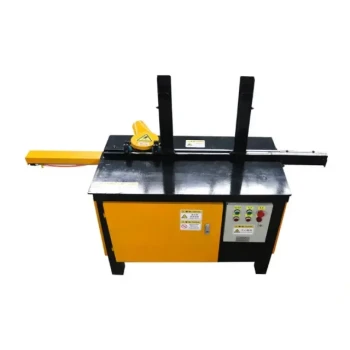
The high-precision grafting needle is the linchpin of the larval transfer stage, designed solely to move specific day-old larvae from natural worker cells to artificial queen cell cups. Its fundamental role is to execute this transfer with extreme delicacy, ensuring the larva remains physically intact and surrounded by its native royal jelly.
The quality of a reared queen is often determined in the first few seconds of transfer. The grafting needle's specialized design minimizes mechanical stress, directly influencing whether nurse bees accept the larva and how well the future queen develops.
The Mechanics of a Successful Transfer
Protecting the Larval Anatomy
The primary function of the grafting needle is to mitigate mechanical damage.
The bodies of day-old larvae are incredibly fragile. The needle's fine tip is engineered to lift the larva without puncturing or bruising the delicate epidermis. Even microscopic damage during this stage can lead to rejection by nurse bees or developmental defects in the adult queen.
Preservation of the Royal Jelly Bed
A successful graft is not just about moving the larva; it is about moving its environment.
The needle allows the beekeeper to scoop the larva along with a small amount of its original royal jelly. This fluid acts as a buffer during the lift and provides an immediate food source in the new cup, preventing the larva from drying out or starving before nurse bees attend to it.
Impact on Rearing Outcomes
Determining the Acceptance Rate
The nurse bees in the rearing colony are highly selective.
If a larva is damaged or separated from its royal jelly scent during transfer, the bees will clean it out rather than rear it. The high-precision needle increases the acceptance rate by making the transfer appear seamless and natural to the colony.
Ensuring Queen Development Quality
The tool plays a vital role in the long-term biological quality of the queen.
Larvae that are transferred without stress or injury are able to channel all their energy into growth rather than repair. This results in healthier, more productive queens.
Common Pitfalls to Avoid
While the tool is designed for precision, improper technique can still lead to failure.
The Risk of Flipping
A critical error to avoid is flipping the larva over during the transfer.
As noted in supplementary findings, larvae breathe through spiracles on their sides and top. If the needle causes the larva to roll over, it may drown in its own royal jelly fluid. The larva must be deposited in the exact same orientation as it was found.
Timing and Desiccation
Speed and accuracy are competing factors.
While the needle allows for precision, the open exposure during the process puts larvae at risk of drying out. The transfer must be efficient to ensure the royal jelly remains moist.
Making the Right Choice for Your Goal
To maximize your success in queen rearing, apply the tool with the following objectives in mind:
- If your primary focus is High Acceptance Rates: Prioritize scooping a generous amount of native royal jelly with the larva to mask the disturbance.
- If your primary focus is Queen Longevity and Quality: Focus entirely on the angle of the tip to ensure absolutely zero contact with the larva's epidermis.
The grafting needle is not just a moving tool; it is a life-support transfer system for your future apiary genetics.
Summary Table:
| Key Feature/Function | Benefit to Queen Rearing | Impact on Outcome |
|---|---|---|
| Delicate Tip Design | Minimizes mechanical damage to fragile larval epidermis | Higher survival and healthier adult queens |
| Royal Jelly Retention | Preserves the larva’s natural food and scent buffer | Increases nurse bee acceptance rates |
| Precise Orientation | Prevents "flipping," ensuring larval spiracles remain open | Reduces larval mortality during transfer |
| Speed & Accuracy | Limits exposure time and prevents desiccation | Maintains larval vitality and moisture levels |
Elevate Your Apiary Genetics with HONESTBEE
At HONESTBEE, we understand that high-quality queen rearing starts with the right tools. As a premier partner for commercial apiaries and distributors, we provide the precision hardware you need to succeed—from high-accuracy grafting needles to advanced hive-making and honey-filling machinery.
Why choose HONESTBEE?
- Comprehensive Wholesale Range: Access a full spectrum of beekeeping tools and essential industry consumables.
- Commercial Scale Support: We cater to large-scale operations with reliable equipment designed for efficiency.
- Quality Guarantee: Our tools are engineered to reduce larval stress and maximize your colony's productivity.
Ready to enhance your rearing success? Contact us today to explore our wholesale offerings!
References
- Miriam Bixby, M. Marta Guarna. Honey Bee Queen Production: Canadian Costing Case Study and Profitability Analysis. DOI: 10.1093/jee/toaa102
This article is also based on technical information from HonestBee Knowledge Base .
Related Products
- Black 2 Pack Beekeeper Queen Grafting Tool for Bee Queen Larva Transferring Needle
- HONESTBEE Professional Long Handled Hive Tool with Precision Cutting Blade
- Stainless Steel Queen Grafting Tool for Beekeeping and Bee Queen Grafting
- Double Head Beekeeping Grafting Tools for Beekeepers
- Stainless Steel Beekeeping Queen Grafting Tool for Honey Bee Rearing
People Also Ask
- What is the primary function of a queen grafting tool? Master Precise Larval Transfer for High Queen Acceptance
- What is the step-by-step process for using a queen grafting tool? Master Larva Transfer for Better Queen Rearing
- What are the benefits of using a queen grafting tool for queen rearing? Master Precision for Superior Bee Genetics
- What is grafting in queen rearing? Take Control of Your Apiary's Genetics
- What are the steps involved in using a queen grafting tool? A Guide to Successful Queen Rearing