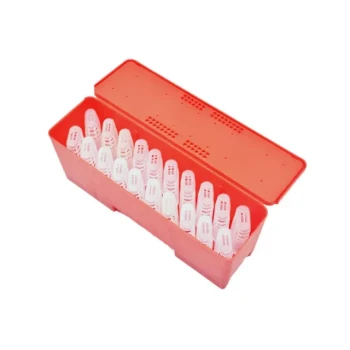
Bee boxes function as the fundamental physical carrier for the entire lifecycle of a commercial bee colony. Far from being simple containers, they are the primary production infrastructure that directly dictates yield stability, with standard units facilitating approximately 40 kg of honey per year in productive regions. In large-scale operations, the quantity and quality of these boxes represent the core capital investment, defining the operation's ability to scale from a pilot project to full industrial capacity.
The bee box is the defining asset of commercial beekeeping; it transforms a biological colony into a manageable economic unit. By standardizing the physical environment, these boxes enable mass transport, streamline disease management, and provide the scalable architecture necessary to expand an apiary from ten hives to hundreds.
The Economic Backbone of the Apiary
Primary Capital Investment
The bee box is the most significant initial asset for an entrepreneur entering the apiary business. The number of boxes owned establishes the immediate ceiling for production scale. Most commercial operations begin with fewer than 10 boxes to establish protocols, but the infrastructure is designed to support rapid expansion to hundreds of units as experience is gained.
Direct Impact on Yield
The design and build quality of the box have a measurable impact on honey output. A high-quality box provides the stability required for maximum storage. Research benchmarks, such as those from Punjab, India, indicate that a single well-managed box is the production unit capable of delivering an average of 40 kg of honey annually.
Reducing Unit Costs
To achieve commercial viability, the cost of this infrastructure must be controlled. Industrial-grade manufacturing machinery allows for the mass production of boxes using wood or composite materials. This mechanization significantly lowers the unit cost per hive, making the rapid scaling of colony numbers financially feasible.
Operational Efficiency through Standardization
Streamlining Logistics
For large-scale production, individual hive management is replaced by palletized operations. Standardized wooden beehive boxes feature uniform dimensions that allow them to be securely stacked. This uniformity is essential for compatibility with industrial-grade forklifts, transforming the apiary from a manual labor operation into a logistical one.
Enabling Migratory Beekeeping
Commercial pollination demands require moving thousands of colonies between agricultural regions. Standardized boxes are designed to withstand the stress of rapid, long-distance transport. This compatibility ensures colonies can be moved efficiently to meet pollination contracts without compromising the structural integrity of the hive.
Interchangeability and Flexibility
Uniform specifications for hive bodies and frames create a modular system. Beekeepers can swap components between hives to balance resources or replace damaged parts instantly. This modularity allows for the flexible expansion of hive space during heavy nectar flows, maximizing storage efficiency without disturbing the core colony.
Optimizing the Biological Environment
Controlling the Microenvironment
A professional bee box is engineered to maintain a stable internal climate. Features such as optimized bee paths and superior ventilation performance help the colony regulate temperature and humidity. This stability allows the colony to maintain high activity levels, resulting in more frequent pollination flights and consistent honey production.
Disease Management and Inspection
High-quality hives are designed to facilitate routine access for the beekeeper. The structure must allow for easy inspection of the brood and queen without causing excessive stress to the bees. This accessibility is critical for early disease detection and maintaining the long-term health of the apiary.
Spatial Economics of Bee Houses
In some high-density operations, boxes are integrated into dedicated bee houses. These facilities protect the boxes from extreme weather like winter snow or summer heat. Furthermore, they allow for vertical stacking, reducing the land footprint to one-third or one-fourth of what is required for an open-air arrangement.
Understanding the Trade-offs
Initial Investment vs. Scalability
While high-quality, standardized boxes are essential for efficiency, they represent a steep upfront cost. Entrepreneurs must balance the desire for premium, durable materials with the financial reality of needing volume to achieve profitability. Starting with inferior boxes to save money often leads to lower yields and higher replacement costs later.
Management Complexity
As the number of boxes increases, the complexity of maintaining them grows. While the box itself is a physical asset, it requires supplementary tools like feeders during dearth periods to sustain the colony. A large inventory of boxes requires a robust logistical plan for storage, cleaning, and repair during the off-season to ensure they are ready for the next honey flow.
Making the Right Choice for Your Goal
To select the right infrastructure strategy, align your equipment choices with your primary business objective.
- If your primary focus is Honey Production: Prioritize boxes with modular expansion capabilities to accommodate heavy nectar flows and maximize the 40 kg/year yield potential.
- If your primary focus is Pollination Services: Invest strictly in standardized, reinforced wooden boxes that are compatible with pallets and forklifts to withstand frequent transport.
- If your primary focus is Rapid Scaling: Utilize industrial manufacturing machinery to produce standardized hives in-house, minimizing the unit cost of infrastructure to preserve capital for colony acquisition.
The bee box is not just a home for bees; it is the standardized tool that allows a natural biological process to function at an industrial scale.
Summary Table:
| Feature | Impact on Commercial Production | Key Benefit for Operators |
|---|---|---|
| Standardized Dimensions | Facilitates palletized transport & forklift use | Streamlines logistics for migratory beekeeping |
| Modular Design | Components (frames/bodies) are interchangeable | Allows rapid expansion & easy resource balancing |
| Micro-climate Control | Maintains optimal temperature & humidity | Increases bee activity and stabilizes honey yield |
| Industrial Durability | Withstands long-distance moving & weather | Lowers long-term replacement costs & capital risk |
| High Yield Support | Engineered for maximum storage capacity | Achieves industry benchmarks of ~40kg honey/year |
Maximize Your Apiary's Potential with HONESTBEE
Transitioning from a hobbyist to a commercial powerhouse requires more than just bees—it requires industrial-grade infrastructure. At HONESTBEE, we specialize in empowering commercial apiaries and distributors with the tools needed to scale efficiently.
Why partner with us?
- Comprehensive Wholesale Catalog: From standardized, high-durability wooden bee boxes to specialized hive-making and honey-filling machinery.
- Operational Excellence: We provide the full spectrum of beekeeping tools and essential industry consumables to keep your production running year-round.
- Cultural Growth: Enhance your brand with our unique array of honey-themed cultural merchandise.
Ready to transform your biological colony into a high-output economic unit? Contact us today to discuss your wholesale needs and let HONESTBEE provide the architectural foundation for your success.
References
- Khushdeep Dharni, Deepak Goel. Startup operations and problems of honey bee entrepreneurs: experience from India. DOI: 10.1504/ijesb.2013.052520
This article is also based on technical information from HonestBee Knowledge Base .
Related Products
- Plastic Transporting Bee Packages and Nuc Boxes for Beekeeping
- Portable Bee Mating Hive Boxes Mini Mating Nucs 8 Frames for Queen Rearing
- JZBZ Style Professional Battery Box with 20 Shipping Cages
- Metal Bee Hive Stand Bee Box Stand for Beekeeping
- Australian Langstroth Beehive Boxes for Beekeeping Wholesales
People Also Ask
- What role do bee package boxes play in the commercial transport and expansion of honeybee colonies? - Logistic Essentials
- What are beekeeping boxes called? A Guide to Hive Bodies and Box Types
- How do standardized bee packages serve as a recovery mechanism for commercial beekeeping? Ensure Business Continuity
- What is the commercial value of using standardized bee packages? Drive Scalability in Large-Scale Apiaries
- Why is the timely introduction of high-quality bee packages critical? Save Your Apiary from Asian Hornet Invasions