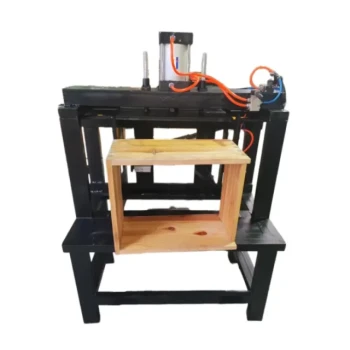
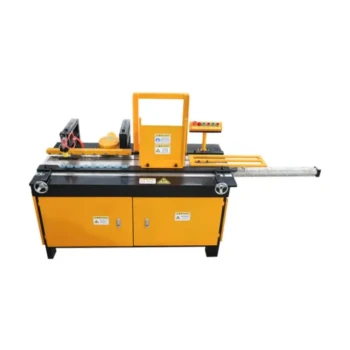
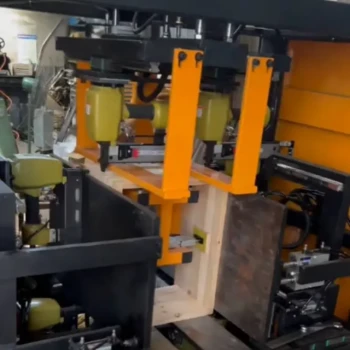
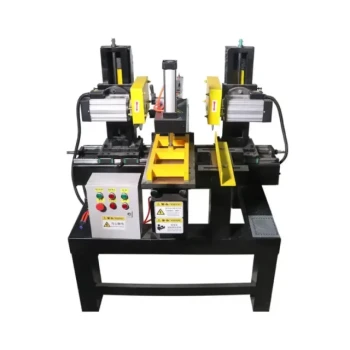
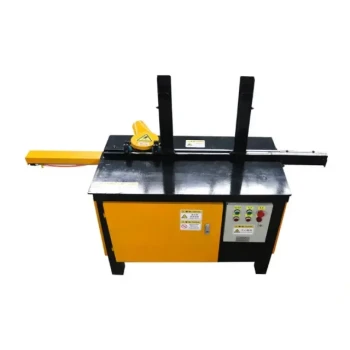
Hive-making machinery and woodworking tools serve as the critical infrastructure for maintaining forest beekeeping economies, particularly in regions facing environmental changes. These tools process natural timber into usable hive structures, acting as the physical bridge between raw forest resources and managed honey production. In areas transitioning from dense forest to semi-forest management, this equipment is essential for overcoming the scarcity of natural nesting materials and enabling beekeeping at a sustainable scale.
As natural forest density declines, the availability of wild hive sites diminishes, making efficient timber processing the primary bottleneck for production. Advanced woodworking tools solve this by converting raw lumber into standardized, durable habitats, effectively decoupling colony growth from the limitations of the natural environment.
The Role of Machinery in Resource Management
Overcoming Environmental Constraints
In dense forests, bees often find natural habitation. However, as regions shift toward semi-forest management, these natural reservoirs disappear.
Hive-making machinery compensates for this loss by allowing beekeepers to fabricate housings from available timber. This ensures that the scale of the operation is not dictated by the availability of hollow trees, but rather by the beekeeper’s manufacturing capacity.
Optimizing Raw Material Usage
Professional woodworking equipment allows for high-precision manufacturing that manual methods cannot match.
By increasing the accuracy of cuts, these tools reduce the volume of wood required per unit. This optimizes the consumption of raw timber and bamboo, decreasing ecological pressure on the very forests that support the bee forage.
Establishing Self-Sufficiency
Specialized machinery enables independent production using local materials tailored to specific climates and bee species.
This reduces procurement costs and reliance on external suppliers. It supports a circular economy model where local timber is harvested sustainably and processed on-site, keeping the economic value within the forest community.
Standardization and Economic Scalability
The Power of Interchangeability
Industrial-grade machinery produces components with uniform specifications.
This standardization ensures that frames and hive bodies are fully interchangeable. This is critical for modern management, as it minimizes disturbance to colonies during inspections and simplifies the honey extraction process.
Enabling Migratory Beekeeping
Precision-manufactured hives ensure tightly sealed structures that are physically robust.
This structural integrity is a prerequisite for cross-regional migratory pollination. Uniform hives stack securely and withstand the mechanical stress of transport, reducing colony loss during transit and overwintering.
Lowering Long-Term Costs
While the initial investment in machinery is higher, it lowers infrastructure depreciation over time.
Standardized mass production reduces the cost per unit and allows for rapid scaling of colony numbers. This creates a traceable, consistent hardware foundation necessary for establishing large-scale honey supply bases.
Understanding the Trade-offs
Capital Investment vs. Operational Flexibility
Implementing industrial-grade machinery requires significant upfront capital and a reliable power source, which can be challenging in remote forest areas.
While manual construction is slower and less precise, it requires minimal investment. Operators must weigh the efficiency gains of machinery against the financial risk and maintenance requirements of complex equipment.
Standardization vs. Traditional Adaptation
Standardization is excellent for efficiency but may reduce the ability to create bespoke, irregular hives that mimic specific natural cavities used in traditional methods.
A heavy reliance on machine-standardized boxes shifts the focus toward maximizing yield and logistics. This can sometimes come at the cost of traditional ecological knowledge regarding specific micro-climate adaptations of the hive structure.
Making the Right Choice for Your Goal
To determine the appropriate level of mechanization for your operation, consider your specific objectives:
- If your primary focus is forest conservation and subsistence: Prioritize tools that maximize timber efficiency to reduce deforestation, even if total production volume is lower.
- If your primary focus is commercial scalability: Invest in machinery that guarantees component interchangeability to facilitate migratory logistics and mechanized honey extraction.
- If your primary focus is regional economic resilience: Utilize machinery to create a self-sufficient production loop, processing local timber into assets to reduce external dependency.
The significance of these tools lies in their ability to transform raw timber from a passive forest resource into an active, scalable economic asset.
Summary Table:
| Feature | Significance in Forest Beekeeping Economics |
|---|---|
| Resource Utilization | Converts raw timber/bamboo into durable habitats, overcoming natural nesting site scarcity. |
| Material Efficiency | Precision cutting reduces wood waste and minimizes ecological pressure on bee forage forests. |
| Standardization | Creates interchangeable components (frames/bodies) for efficient management and migratory logistics. |
| Economic Resilience | Enables self-sufficiency by processing local materials, reducing reliance on external hardware suppliers. |
| Scalability | Facilitates rapid colony expansion and lowers long-term infrastructure depreciation costs. |
Scale Your Beekeeping Business with HONESTBEE
At HONESTBEE, we understand that high-quality infrastructure is the backbone of a profitable apiary. We cater specifically to commercial apiaries and distributors, providing a comprehensive wholesale range of specialized beekeeping machinery, including hive-making machines and honey-filling equipment.
Whether you are looking to establish a self-sufficient production loop or need to supply a large-scale honey supply base, our professional-grade tools and industry consumables are designed to maximize your efficiency. Contact us today to discuss how our portfolio—from specialized hardware to honey-themed cultural merchandise—can enhance your operational value and market reach.
References
- Shabu Jemal Abakorma, Zerehun Kebebew. Effects of Coffee Management on Bee Floral Diversity, Honey Yield and Quality: The Case of Gera District, Jimma Zone, South West Ethiopia. DOI: 10.7176/jbah/10-16-02
This article is also based on technical information from HonestBee Knowledge Base .
Related Products
- High-Efficiency Pneumatic Bee Hive Making Machine for Rapid Box Assembly
- Beehive Handle and Frame Rest Cutting Machine: Your Specialized Hive Machine
- Mini Desktop Bee Hive Frame Forming Making Machine
- Automatic High-Speed Bee Hive Box Stapling Machine
- Beehive Machine Double End Saw for Precision Hive Component Manufacturing
People Also Ask
- How does the introduction of professional beehive-making machinery benefit sustainable beekeeping? Scale Your Apiary
- Why is specialized beehive-making machinery critical for low-defense breeding? Enhance Selection with Precision Tools
- How does the introduction of specialized beehive making machinery contribute to increasing the scale of regional beekeeping industries?
- What is the importance of specialized beehive making machinery in a circular bio-economy? Build Local Sustainability
- Why is specialized beehive-making machinery essential? Scale Your Apiary with Precision Industrial Standards