Honeycomb capping serves as the definitive signal of honey maturity. It is the wax seal applied by bees once they have successfully dehydrated nectar to a specific moisture level that prevents spoilage. Practically, it acts as a "green light" for beekeepers, indicating that the honey is ready for extraction and long-term storage.
The presence of wax cappings on at least 80% of a frame is the industry standard for harvest readiness. This signifies that moisture content has been sufficiently reduced to prevent fermentation, ensuring a stable and high-quality product.
The Critical Link Between Capping and Quality
The 80% Threshold
The most important metric in honey harvesting is the coverage of capped cells. You should aim for frames where at least 80% of the honeycomb is capped.
This percentage is not arbitrary; it represents the colony's consensus that the honey is finished processing.
Controlling Moisture Content
Nectar naturally contains high water content, which acts as a breeding ground for yeast. Bees fan the nectar to evaporate this water.
Once the moisture drops to a safe level—where bacteria and yeast cannot survive—the bees cap the cell.
Preventing Fermentation
If you harvest honey before it is properly capped, you are harvesting "unripe" honey.
This product retains excessive moisture. Over time, this excess water will lead to fermentation, causing the honey to sour, spoil, and become unfit for consumption.
Capping and Hive Management
Separation for Purity
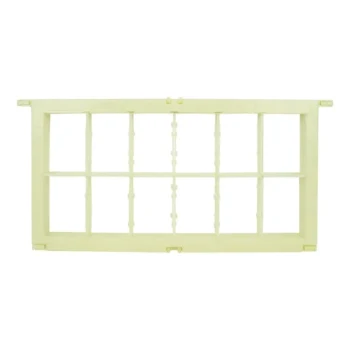
In modern beekeeping, structures like honey supers or topping frames are used to collect this capped honey.
These distinct sections physically separate the honey storage from the brood (larvae) chamber.
Reducing Colony Disturbance
Because capped honey is stored in these upper modules, harvest can occur without disturbing the queen or the brood in the lower sections.
This design ensures the harvested honey is pure and free from larval contamination while maintaining colony stability.
The Operational Impact: Uncapping
Removing the Barrier
While capping is vital for quality, it presents a physical barrier during harvest. You cannot extract honey from a sealed cell.
Uncapping is the mandatory process of removing this thin wax layer to allow honey to flow.
Tools for the Job
For the honey to be released—especially in a centrifugal extractor—the seal must be broken.
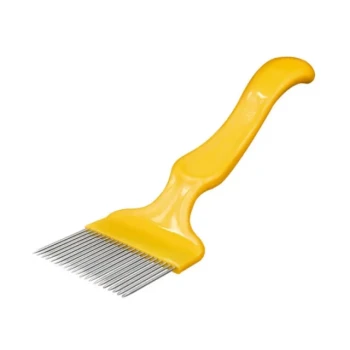
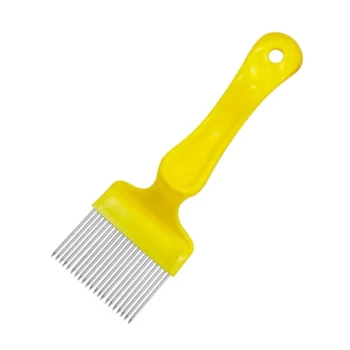
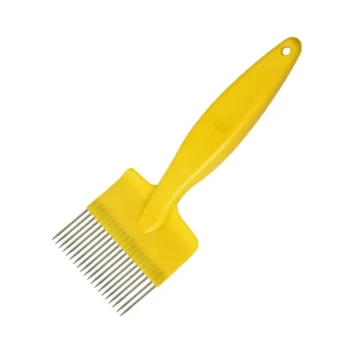
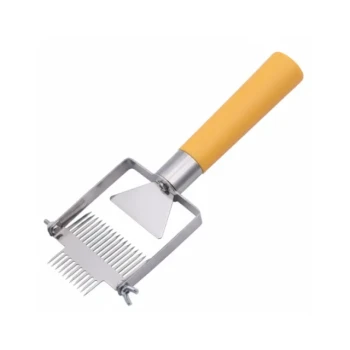
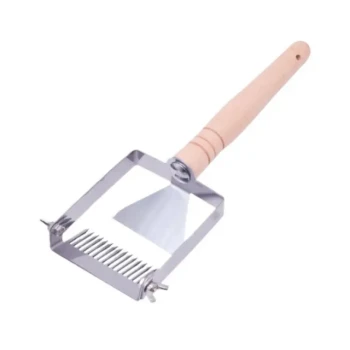
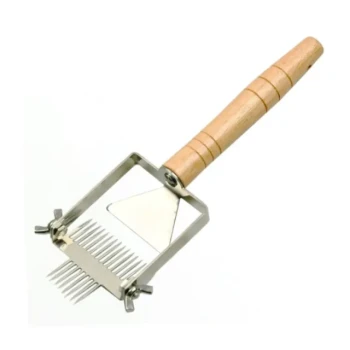
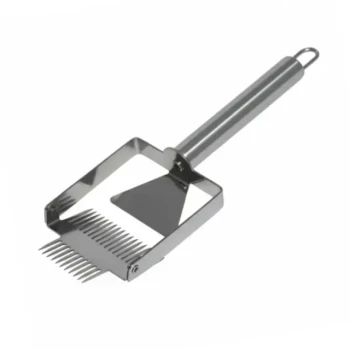
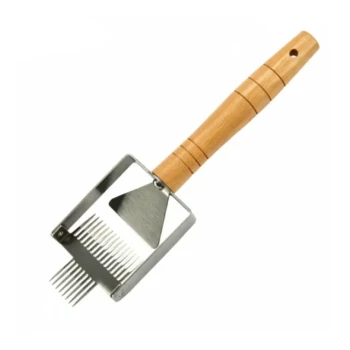
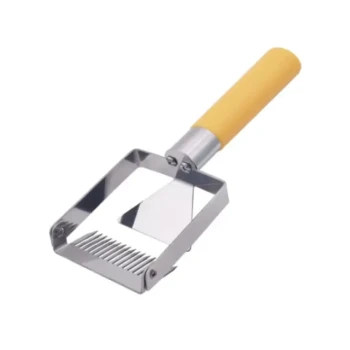
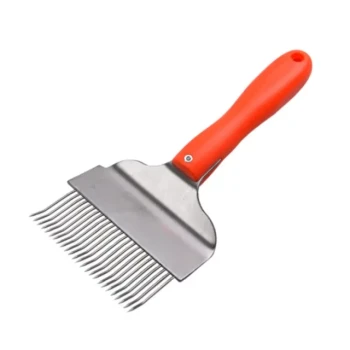
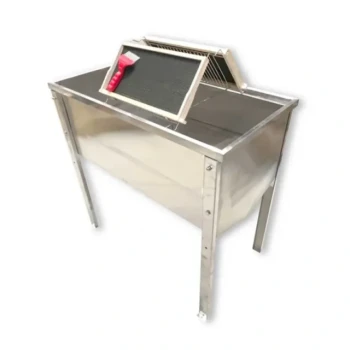
Beekeepers use specific tools, such as an uncapping fork or a warm knife, to slice off the wax caps. This exposes the honey, allowing it to spin out or strain through without damaging the frame structure.
Understanding the Trade-offs
The Risk of Patience
Waiting for the 80% capping threshold requires patience, potentially shortening your harvest window during a nectar flow.
However, rushing this process to "beat the clock" introduces the much higher risk of spoiling your entire batch due to high moisture.
Labor Intensity
Capped honey requires more processing effort than uncapped nectar. The uncapping step adds labor and requires specific equipment.
This additional effort is the necessary cost of obtaining a shelf-stable, high-grade product rather than a watery nectar that will ferment.
Making the Right Choice for Your Harvest
To ensure your harvest is successful and your honey remains fresh, apply these principles:
- If your primary focus is product stability: Strictly adhere to the 80% capped rule to guarantee low moisture content and prevent spoilage.
- If your primary focus is workflow efficiency: Utilize specialized uncapping tools (like heated knives) to quickly prepare mature frames for the extractor without damaging the comb.
- If your primary focus is honey purity: Ensure your hive setup utilizes honey supers or topping frames to keep capped honey distinct from the brood nest.
Respecting the capping process is the only way to ensure the honey you harvest today is safe to eat next year.
Summary Table:
| Aspect of Capping | Significance in Harvesting | Industry Standard / Recommendation |
|---|---|---|
| Maturity Signal | Indicates nectar is dehydrated and stable | 80% of frame surface must be capped |
| Moisture Control | Prevents fermentation and spoilage | Maintains moisture levels below 18-20% |
| Purity | Separates honey from brood chamber | Use of honey supers and topping frames |
| Extraction | Physical barrier to honey release | Requires uncapping tools (forks/heated knives) |
| Product Quality | Ensures shelf-stable, high-grade honey | Avoid harvesting 'unripe' uncapped nectar |
Elevate Your Honey Production with HONESTBEE
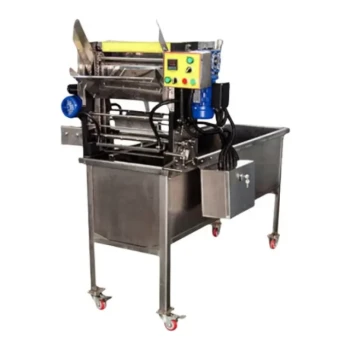
At HONESTBEE, we understand that professional beekeeping requires precision and the right tools. Whether you are a commercial apiary or a global distributor, we provide the comprehensive wholesale solutions you need to handle every stage of the harvest—from high-efficiency uncapping machinery and honey-filling systems to specialized hive-making hardware and premium consumables.
Why partner with us?
- Full Spectrum Supply: Access a complete range of professional-grade beekeeping equipment and tools.
- Industry Expertise: We cater specifically to the high-volume needs of the commercial sector.
- Brand Value: Enhance your operation with our honey-themed cultural merchandise and innovative hardware.
Ready to scale your honey production? Contact us today to discover how HONESTBEE can streamline your harvest and maximize your product quality.
Related Products
- Professional Honey Uncapping Fork Tool with Customizable Tine Options
- Professional Customizable Honey Uncapping Fork with Adjustable Tine Options
- Heart-Shaped Comb Honey Frame and Honeycomb Cassette
- Plastic Honey Comb Frames Cassette Box for Honey
- Professional Durable Plastic Handle Honey Uncapping Fork
People Also Ask
- What tools are used for honey uncapping? Choose the Right Knife for Your Harvest
- What is the primary function of specialized honey uncapping tools? Maximize Your Extraction Yield and Efficiency
- What other tools are available for honey uncapping besides knives? Find the Right Tool for Your Apiary's Scale
- What are the essential tools for uncapping honey frames? Choose the Right Tool for Your Apiary
- What are the tools used for uncapping honeycombs? Expert Guide to Tools & Functions for Maximum Yield