Full beeswax replacement serves as the decisive firewall between past chemical use and future organic purity. It is the process of completely removing old honeycombs accumulated during traditional beekeeping and replacing them with certified organic beeswax foundation sheets. This physical overhaul is the only effective method to block the migration of fat-soluble chemical residues from the hive structure into new honey and bee products.
By removing the physical medium that stores historical toxins, you interrupt the cycle of chemical accumulation. This creates the "clean slate" necessary for new bee products to meet the non-detected residue levels required for organic certification.
The Mechanism of Contamination
The Persistence of Lipophilic Chemicals
In traditional beekeeping, hives are often treated with chemicals to control pests. Substances like fluvalinate and coumaphos are lipophilic, meaning they are "fat-loving."
Because beeswax is a lipid (fat), it acts as a sponge. It absorbs these chemical residues and retains them long after active treatment has stopped.
The Threat of Residue Migration
Simply stopping the use of chemicals is not enough to achieve organic status. The residues trapped in the old wax can migrate out of the comb.
Without replacement, these stored toxins leach into new honey and pollen. This cross-contamination prevents the final product from meeting the strict purity standards required for organic labeling.
Establishing a Clean Infrastructure
Creating a Sanitary Nesting Environment
Organic beeswax foundation is not just a consumable; it is a mandatory infrastructure requirement. It provides a non-polluted base for the colony to build upon.
By introducing high-purity foundation, you dictate the quality of the environment where bees live and store their food.
Physically Interrupting the Chemical Cycle
The replacement process physically breaks the chain of contamination. It removes the reservoir of pollutants that would otherwise recycle through the colony.
This ensures that when bees secrete new wax to extend the comb, they are doing so on a clean base rather than a contaminated one.
Understanding the Challenges
The Necessity of Strict Sourcing
The success of this process hinges entirely on the quality of the replacement wax. If the "organic" foundation is not independently produced or rigorously certified, the effort is wasted.
Using foundation that contains even trace amounts of unauthorized substances defeats the purpose of the conversion period.
The Risk of Partial Replacement
There is often a temptation to replace wax gradually or partially to save resources. However, retaining any old comb leaves a source of contamination active within the hive.
To achieve "non-detected" residue levels, the removal of old material must be comprehensive.
Making the Right Choice for Your Goal
If your primary focus is obtaining Organic Certification:
- Prioritize the complete removal of all existing combs and replace them exclusively with certified organic foundation to ensure residue levels are non-detectable.
If your primary focus is Colony Health without certification:
- Focus on replacing the oldest, darkest combs first to reduce the overall toxic load, even if you cannot afford immediate full replacement.
A clean foundation is the only guarantee that your new management practices yield pure results.
Summary Table:
| Feature | Traditional Wax (Old) | Organic Replacement Wax |
|---|---|---|
| Residue Level | High (Lipophilic toxins) | Non-detectable (Certified) |
| Product Safety | High risk of migration | Guaranteed purity |
| Hive Structure | Accumulated chemicals | Clean infrastructure |
| Organic Status | Ineligible | Required for certification |
Ready to Transition to Organic Beekeeping?
HONESTBEE supports commercial apiaries and distributors with the high-quality infrastructure needed for successful organic conversion. From certified beeswax foundation to precision hive-making and honey-filling machinery, we provide a comprehensive wholesale solution for your business.
Our Value to You:
- Complete Wholesale Range: Access a full spectrum of beekeeping tools, machinery, and industry-essential consumables.
- Specialized Hardware: Scale your operations with our professional hive-making and honey-filling machines.
- Strategic Growth: Beyond equipment, we offer honey-themed cultural merchandise to help distributors diversify their portfolio.
Ensure your honey meets the highest global standards of purity. Contact HONESTBEE today to discuss your wholesale requirements.
References
- Andreas Thrasyvoulou, Dany El‐Obeid. Improvements To The Regulations On Organic Farming To Facilitate The Practice Of Organic Beekeeping. DOI: 10.1080/0005772x.2014.11417604
This article is also based on technical information from HonestBee Knowledge Base .
Related Products
- Beeswax Foundation Sheets Beehive Foundation for Wholesale
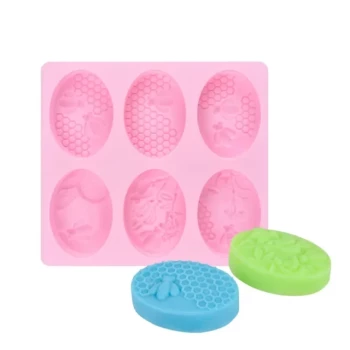
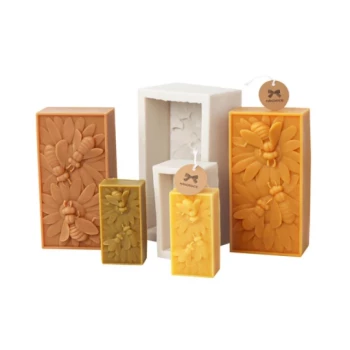
- Colorful Silicone Beeswax Foundation Mold Mould for Beekeeping
- Economy Manual Beeswax Embossing Mill Wax Foundation Machine Roller
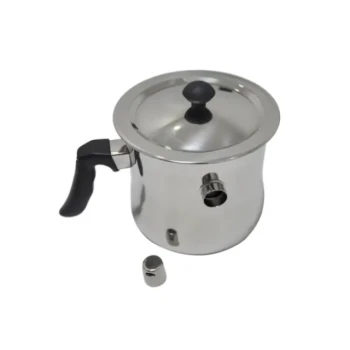
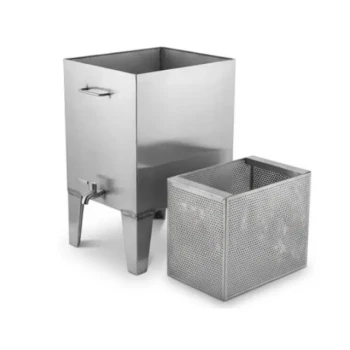
- Beeswax Melter for Candle Making Honey Bee Wax Melter
- Electric Beeswax Flat Sheet Machine with Operating Tray for Wax Processing
People Also Ask
- What are the technical advantages of beeswax foundations and feeding tools? Optimize Your Bee Breeding Phase
- Why is the regular exchange and replacement of beeswax foundations encouraged? Boost Honey Yield & Hive Biosafety
- What are the negative consequences of using old or contaminated beeswax in foundations? Protect Your Hive Today
- Why is high-purity natural beeswax essential for foundations? Prevent Larval Mortality & Boost Colony Health
- What are the specific advantages of regular comb replacement? Boost Hive Health with New Beeswax Foundations