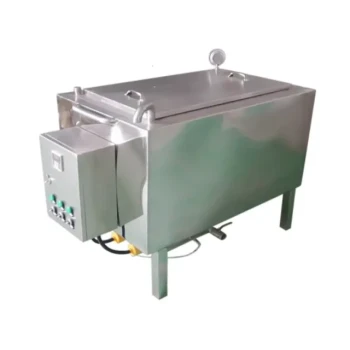
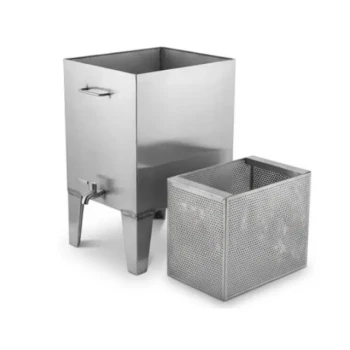
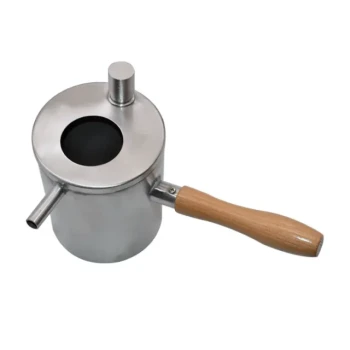
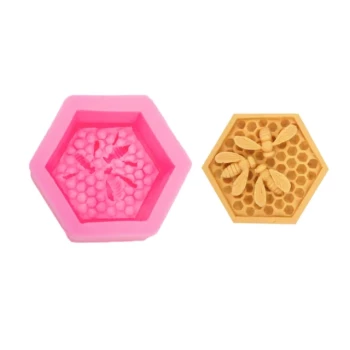
Specialized beeswax processing equipment is the cornerstone of biological security and resource autonomy in modern beekeeping. By enabling the recycling and reprocessing of on-site wax, this technology allows apiaries to establish a closed-loop system that eliminates reliance on external, potentially contaminated sources. It transforms a byproduct often treated as waste into a critical asset for both colony health and organic certification.
Core Takeaway The strategic value of this equipment lies in its ability to decouple the apiary from the industrial wax supply chain. By processing their own wax, beekeepers prevent chemical ingress, reduce the metabolic energy bees expend on building comb, and turn production waste into high-value commodities, ensuring both ecological and economic sustainability.
Establishing a Closed-Loop System
Preventing Chemical Contamination
In organic beekeeping models, the purity of the wax is as critical as the source of the nectar. Commercially available wax foundation often contains residues from pesticides or chemical mite treatments accumulated from other operations.
Specialized processing equipment allows you to recycle your own cappings and old combs. This creates an internal cycle where you retain total control over the chemical profile of the hive, ensuring no external toxins migrate into your honey or brood.
Ensuring Honeycomb Purity
Raw beeswax often contains debris, cocoons, and other physical impurities that can compromise hive hygiene.
Advanced equipment utilizes precise temperature-controlled melting and multi-stage filtration. This extracts high-purity beeswax, providing a clean, safe substrate that supports the overall health of the bee colony and meets strict organic standards.
Enhancing Colony Efficiency
Reducing Metabolic Stress on Bees
Wax secretion is biologically expensive; bees must consume vast quantities of honey (energy) to produce small amounts of wax.
By using foundation presses to mold recycled wax into sheets, you provide a structural template for the colony. This significantly reduces the biological energy bees must spend on construction, allowing them to redirect those resources toward foraging and honey production.
Improving Mechanical Durability
Natural wild comb is fragile. Foundation sheets produced by specialized molding equipment are embossed with hexagonal patterns that guide comb building and add structural integrity.
This increased mechanical strength is vital for sustainable harvesting. It ensures the combs can withstand the centrifugal forces of modern honey extraction machinery without collapsing, preserving the comb for reuse in future seasons.
Economic Sustainability and Resource Recovery
Monetizing Production Byproducts
In traditional settings without proper tooling, old combs and scrap wax are frequently discarded as waste.
Processing machinery converts these byproducts into a revenue stream. Beekeepers can transform raw wax into high-value commodities, such as beeswax candles or cosmetic-grade blocks, maximizing the economic yield of every hive.
Optimizing the Value Chain
Refining equipment can further purify wax to meet industrial or military specifications.
By removing residues to a high degree, the wax becomes suitable for specialized applications like waterproofing or industrial consumables. This allows the beekeeper to participate in the full value chain of colony outputs, rather than just selling honey.
Understanding the Trade-offs
While specialized equipment is vital for organic models, it introduces operational complexity.
- Capital Investment: High-quality melters, presses, and filtration systems represent a significant upfront cost compared to buying pre-made foundation.
- Operational Precision: Effective processing requires strict adherence to temperature controls. Overheating wax can darken it and degrade its chemical structure, while under-heating results in poor filtration and molding.
- Labor Requirements: managing a closed-loop wax system adds a manufacturing workflow to the apiary, requiring time and labor that would otherwise be spent on hive management.
Making the Right Choice for Your Goal
To determine if this equipment aligns with your specific operational needs, consider your primary objective:
- If your primary focus is Organic Certification: You must prioritize filtration and molding equipment to eliminate external wax sources and guarantee a chemical-free environment for the colony.
- If your primary focus is Production Efficiency: You should invest in foundation presses to reduce the energy burden on your bees, translating saved metabolic energy into higher honey yields.
Investing in wax processing is not merely an equipment purchase; it is a commitment to the long-term biological integrity of your apiary.
Summary Table:
| Feature | Benefit for Organic/Sustainable Models | Impact on Productivity |
|---|---|---|
| Closed-Loop Recycling | Eliminates pesticide/chemical ingress from external wax | Ensures high-purity organic certification |
| Temperature-Controlled Melting | Preserves wax chemical structure and natural properties | Produces high-quality, durable foundations |
| Multi-Stage Filtration | Removes physical impurities and hive debris | Enhances colony hygiene and brood health |
| Precision Molding (Presses) | Provides structural templates for honeycombs | Reduces bee metabolic stress; increases honey yield |
| Byproduct Valorization | Converts waste wax into cosmetic or industrial grade assets | Creates additional high-value revenue streams |
Elevate Your Apiary’s Sustainability with HONESTBEE
Transitioning to a closed-loop organic model requires more than just passion—it requires precision engineering. At HONESTBEE, we empower commercial apiaries and distributors with the specialized tools needed to achieve total resource autonomy. From high-capacity wax melters and filtration systems to precision foundation presses and hive-making machinery, our comprehensive wholesale portfolio covers the full spectrum of beekeeping hardware and consumables.
Whether you are scaling up production efficiency or securing strict organic certifications, our equipment is designed to turn your production byproducts into high-value assets.
Ready to optimize your value chain and protect your colony's health?
Contact HONESTBEE Today to Discuss Your Wholesale Needs
References
- Krisztina Melinda Dobay. TRANSITION TO SUSTAINABLE VALUE CHAINS AND AGRI-FOOD SYSTEMS THROUGH COLLECTIVE ACTIONS – EVIDENCE FROM ORGANIC BEEKEEPING. DOI: 10.59277/aerd.2023.1.08
This article is also based on technical information from HonestBee Knowledge Base .
Related Products
- Beeswax Machine Press Embosser Wax Foundation Mold Printer Bee Hive Equipment Making Sheet
- Electric Flatting and Embossing Machine with Tray for Beekeeping
- Fully Automatic Beeswax Embossing Machine Foundation Mill
- Manual Beeswax Flat Sheet Machine for Beeswax Processing
- Electric Commercial Beeswax Melter for Factory Use
People Also Ask
- What equipment is needed to make beeswax foundation? A Guide to DIY Wax Sheet Production
- What miscellaneous equipment is needed for making foundation? A Guide to the Essential Tools
- What miscellaneous equipment is useful when making beeswax foundation? Essential Support Tools for Beekeepers
- What specific equipment is required for making beeswax foundation? Essential Tools for High-Quality Production
- What is the recommended temperature for melting beeswax to make foundation sheets? Master the 70°C-80°C Ideal Range