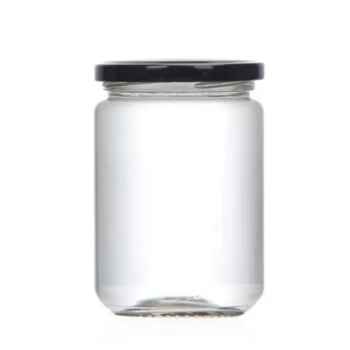
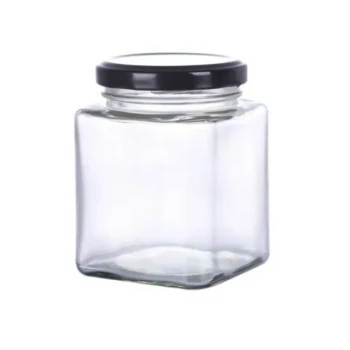
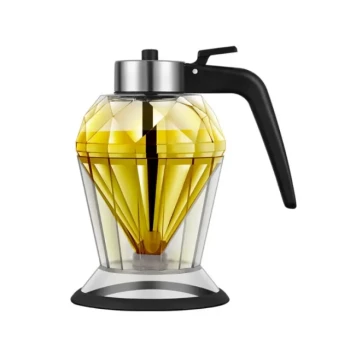
The significance of using sealed glass containers lies in their ability to act as an inert, impermeable barrier that freezes the sample's chemical and biological state. By preventing moisture exchange and chemical interaction, these containers ensure that the data derived from subsequent physicochemical and microbial analyses accurately reflect the honey's original composition.
Core Takeaway Honey is a hygroscopic and chemically complex substance that reacts readily with its environment. Sealed glass containers provide the necessary isolation to prevent moisture-induced fermentation, oxidation, and material leaching, thereby guaranteeing the validity of sensitive experimental results.
Preserving Physicochemical Stability
Combating Hygroscopicity
Honey is naturally hygroscopic, meaning it actively attracts and absorbs moisture from the surrounding atmosphere. If left exposed or stored in permeable packaging, the water content of the sample will fluctuate.
Sealed glass containers provide a superior airtight barrier compared to standard packaging. This prevents the ingress of atmospheric moisture, which is critical because excess water lowers the honey's stability and can trigger unwanted fermentation.
Preventing Chemical Migration
Honey acts as a weak acid, which can cause it to react with certain storage materials over time.
Glass is chemically non-reactive, ensuring that no substances from the container wall migrate into the sample. Unlike certain plastics or metals, glass maintains the purity of the honey, preventing contamination that would skew physical and chemical analysis.
Protecting Biological Components
Safeguarding Antimicrobial Agents
Experimental accuracy often relies on measuring specific bioactive components, such as phenols and flavonoids. These components are heat-sensitive and prone to degradation.
When sealed in glass and stored away from light, these antimicrobial active components are preserved. This protection ensures that assessments of the honey's medicinal or nutritional value remain accurate.
Eliminating Secondary Contamination
Reliable microbial analysis requires absolute certainty that the organisms detected are native to the honey, not introduced during storage.
High-quality seals on glass jars serve as a physical blockade against secondary microbial contamination. This prevents external bacteria or fungi from entering the sample, ensuring that microbial counts reflect the honey's actual quality rather than handling errors.
Understanding the Trade-offs
Fragility and Logistics
While glass is superior for chemical stability, it presents logistical challenges due to its weight and fragility. Breakage rates can be higher during transport compared to food-grade plastics, requiring specialized stacking equipment or protective packaging to ensure samples arrive at the laboratory intact.
Light Sensitivity
Glass is typically transparent, which does not inherently protect samples from photodegradation. While the container prevents oxidation, light exposure can still degrade light-sensitive compounds like flavonoids. Therefore, glass containers must be paired with dark storage conditions or be made of amber glass to fully protect bioactive ingredients.
Making the Right Choice for Your Goal
To maximize experimental accuracy, select your storage protocol based on your specific analytical targets:
- If your primary focus is Chemical Purity: Prioritize inert glass containers to eliminate any risk of plasticizers or container materials leaching into the acidic honey matrix.
- If your primary focus is Moisture Control: Ensure the container utilizes a high-quality, airtight seal to prevent atmospheric water absorption and subsequent fermentation.
- If your primary focus is Bioactive Potency: Combine sealed glass storage with dark environments to prevent the degradation of light-sensitive phenols and flavonoids.
The integrity of your data is only as strong as the integrity of your sample storage.
Summary Table:
| Feature | Benefit for Honey Storage | Impact on Experimental Accuracy |
|---|---|---|
| Inert Material | Prevents chemical leaching and migration | Maintains sample purity and chemical profile |
| Airtight Seal | Blocks moisture absorption (hygroscopicity) | Prevents fermentation and water content fluctuation |
| Non-Reactive Surface | Resists honey's natural acidity | Eliminates secondary contamination from container walls |
| Physical Barrier | Blocks external microbes and fungi | Ensures microbial counts reflect original quality |
| Visibility/Clarity | Allows for visual inspection of samples | Facilitates monitoring of crystallization or separation |
Elevate Your Honey Quality Control with HONESTBEE
At HONESTBEE, we understand that maintaining the integrity of your honey is non-negotiable for commercial success. As a dedicated partner to commercial apiaries and distributors, we provide more than just storage advice; we offer a comprehensive wholesale suite of beekeeping tools, specialized machinery, and essential consumables.
Whether you need precision honey-filling machines to ensure perfect seals or high-quality glass storage solutions for your laboratory samples, our portfolio is designed to enhance your efficiency and protect your product's value. From heavy-duty hardware to honey-themed cultural merchandise, we help you deliver excellence to your customers.
Ready to scale your apiary operations? Contact us today to discover how our tailored equipment and wholesale solutions can optimize your production and preserve your honey's purity.
References
- Monika Kędzierska‐Matysek, Mariusz Florek. Microbiological Quality of Polish Artisanal Varietal Honeys. DOI: 10.3390/foods12183349
This article is also based on technical information from HonestBee Knowledge Base .
Related Products
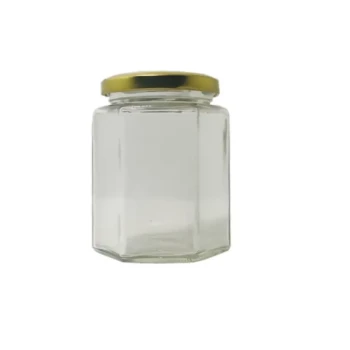
- Hexagonal Glass Honey Jars with Metal Lug Caps Elegant Versatile Packaging
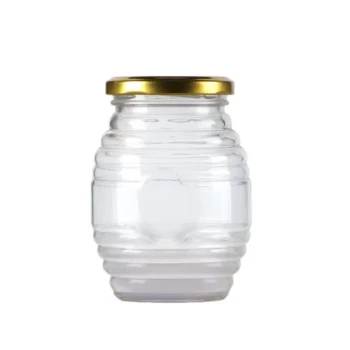
- Classic Glass Honey Jar with Metal Lug Cap for Beehive Storage
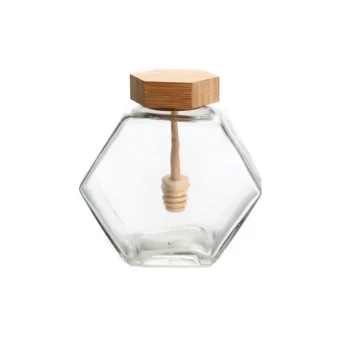
- Hexagonal Glass Honey Jar with Wooden Lid Integrated Dipper Elegant Functional Storage
- Classic Drum Shaped Glass Honey Jar with Airtight Lid
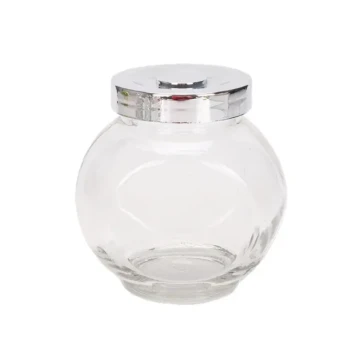
- Classic Round Glass Honey Jar with Lid
People Also Ask
- What is the aesthetic appeal of using glass jars for honey? Elevate Your Brand with Premium Packaging
- What are the logistical challenges associated with using glass jars for honey packaging? Navigating Weight & Fragility
- What are the advantages of glass containers for honey? Elevate Quality and Market Value with Premium Packaging
- What are the technical advantages of using glass jars for honey? Master Commercial Packaging for Premium Purity
- What are the advantages of using glass jars for honey packaging? Preserve Purity & Elevate Your Brand