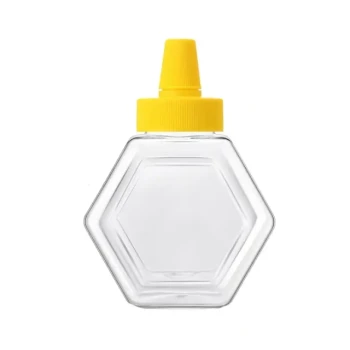
The primary necessity for using tight-fitting lids stems from honey’s strong hygroscopic properties. This means honey naturally and aggressively absorbs moisture from the surrounding atmosphere. Without a hermetic seal, the water content within the honey will rise to unstable levels, directly leading to fermentation, spoilage, and the degradation of its chemical composition.
The core function of a tight-fitting lid is to create an impermeable barrier against atmospheric moisture. By isolating the honey from ambient humidity, you prevent the water content from exceeding the threshold that allows yeast to thrive, thereby guaranteeing the product's physicochemical stability and long-term preservation.
The Science of Moisture Control
Understanding Hygroscopy
Honey is hygroscopic, meaning it seeks equilibrium with the humidity in the air. If left exposed or loosely covered, it will pull water molecules from the atmosphere into the liquid.
The Fermentation Risk
There is a direct correlation between water content and spoilage. When honey absorbs enough atmospheric moisture to dilute its natural sugars, it creates an environment where natural yeasts can ferment the product.
Physicochemical Stability
Maintaining the original moisture level is critical for physicochemical stability. A tight seal ensures that the honey remains in the specific state required to preserve its enzymes, amino acids, and other biochemical markers.
Preservation of Purity and Flavor
Blocking Oxidation and Odors
Air exposure introduces oxygen and foreign scents. A tight seal protects the honey from oxidation, which can degrade flavor and color, while simultaneously blocking the absorption of external odors that would compromise the honey's unique aroma.
Preventing Microbial Contamination
Beyond moisture, the air carries microbes and dust. An industrial-grade seal isolates the honey from external biological contaminants, ensuring the product remains pure for consumption or laboratory analysis.
Physical Security During Transport
From a logistical standpoint, tight-fitting lids prevent leakage. This mechanical security is vital for maintaining the correct volume and preventing sticky, hygienic hazards during the transition from the apiary to processing centers.
Common Pitfalls to Avoid
Overlooking Material Compatibility
A tight lid is useless if the material reacts with the contents. Honey is weakly acidic, which can cause it to corrode non-food-grade metals or interact with inferior plastics.
The "Closed" vs. "Sealed" Distinction
Simply placing a lid on a container is often insufficient. To prevent moisture migration effectively, the container usually requires a gasket or a specialized locking mechanism to ensure a true hermetic seal.
Ignoring Headspace
Even with a tight lid, leaving too much air gap (headspace) inside the container can trap enough moisture to affect the top layer of the honey. Proper sizing of the container relative to the volume of honey is a secondary but important consideration.
Making the Right Choice for Your Goal
To select the correct storage solution, consider your specific end-goal for the honey:
- If your primary focus is Long-Term Storage: Prioritize containers with high-performance seals or gaskets to strictly limit moisture absorption over months or years.
- If your primary focus is Commercial Sales: Ensure the container is not only airtight but also made of certified food-grade plastic to prevent chemical migration and ensure regulatory compliance.
- If your primary focus is Laboratory Analysis: Use sterilized, sealed containers to protect sensitive biochemical markers from fluctuating due to environmental exposure.
Ultimately, a tight-fitting lid is not just a closure; it is the primary defense system for maintaining the biological integrity and market value of your honey.
Summary Table:
| Feature | Impact of Tight-Fitting Lids | Consequence of Poor Sealing |
|---|---|---|
| Moisture Control | Blocks atmospheric humidity; prevents dilution | Hygroscopic absorption leading to fermentation |
| Purity & Flavor | Prevents oxidation and absorption of external odors | Loss of unique aroma and degradation of color |
| Contamination | Acts as a barrier against dust, microbes, and pests | Physical and biological contamination of product |
| Stability | Preserves enzymes and biochemical markers | Chemical degradation and loss of nutritional value |
| Logistics | Ensures mechanical security and prevents leakage | Product loss and hygienic hazards during transport |
Maximize Your Honey Quality with HONESTBEE
At HONESTBEE, we understand that proper storage is the difference between a premium product and a total loss. As a leading partner for commercial apiaries and distributors, we provide a comprehensive range of professional beekeeping tools, industrial machinery, and high-quality consumables.
Whether you need certified food-grade storage solutions, advanced honey-filling machines, or specialized hive-making equipment, our wholesale portfolio is designed to enhance your efficiency and product integrity. Contact us today to discuss how our specialized hardware and industry expertise can protect your harvest and grow your business.
References
- Nchedochukwu Clara Ikegbunam, Okwong John Walter. Physico-chemical properties and mineral content of Apis Mellifera L. honey samples sourced from different localities in Anambra and Enugu States, South-eastern, Nigeria. DOI: 10.47253/jtrss.v9i2.790
This article is also based on technical information from HonestBee Knowledge Base .
Related Products
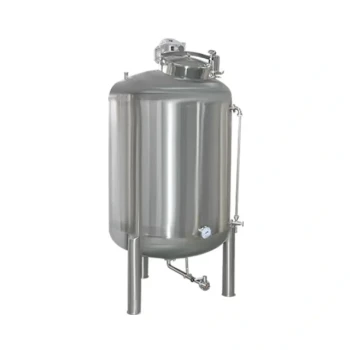
- Stainless Steel Honey Storage Tank with Lid for Honey
- Stainless Steel Honey Storage and Settling Tank with Double Strainer
- Hexagonal Glass Honey Jar with Wooden Lid Integrated Dipper Elegant Functional Storage
- Professional Honey Storage Tank with Agitation System
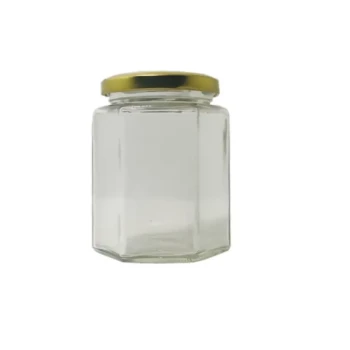
- Hexagonal Glass Honey Jars with Metal Lug Caps Elegant Versatile Packaging
People Also Ask
- What economic role do honey storage tanks play? Boost Your Revenue Through Strategic Inventory Management
- What roles do industrial honey storage tanks and filtration meshes play in processing? Ensure Purity & Consistency
- What is the purpose of a honey storage tank? Streamline Your Honey Processing for Quality & Efficiency
- What are honey storage tanks used for? Essential Features for Quality Preservation and Profit
- How do large honey storage tanks and gravity fall filling systems improve honey packaging efficiency and safety?