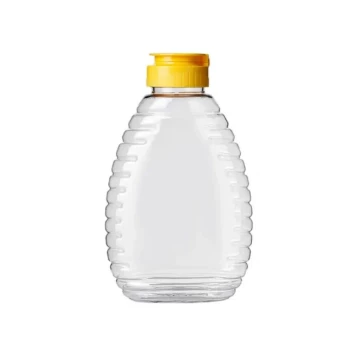
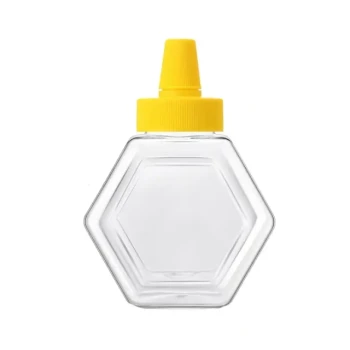
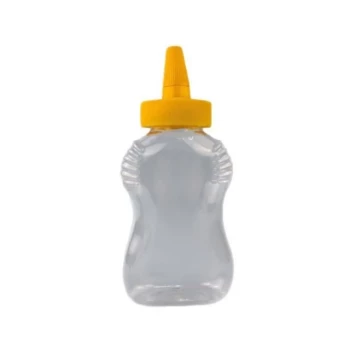
Using sterile plastic containers for honey sampling is the only way to guarantee laboratory data integrity. It prevents environmental microbes and moisture from altering the honey's natural state, ensuring that measurements like viscosity, refractive index, and chemical markers accurately represent the source. By sealing capped-comb honey immediately in these containers, distributors can provide verified proof of quality and geographical origin to their clients.
The Core Takeaway: Sterile plastic containers act as a critical "seal of authenticity" by isolating honey from environmental variables. This preservation ensures that laboratory results are a true reflection of the product’s original physicochemical and biological properties, safeguarding the market value of the shipment.
Protecting the Integrity of Physicochemical Data
Maintaining Moisture Stability and Viscosity
Honey is highly hygroscopic, meaning it aggressively absorbs moisture from the air. Using a sterile, sealed plastic container prevents this exchange, which is essential for accurately measuring the honey’s initial moisture content and viscosity. If moisture enters the sample, it lowers the concentration, potentially leading to inaccurate laboratory readings and downgraded product grading.
Preserving Biochemical Markers and Enzymes
The natural state of honey includes sensitive components like amino acids and enzymes that are easily degraded. Sterile containers protect these markers from external chemical or biological interference. This ensures that the biological activity measured in the lab reflects the actual health and quality of the hive from which it was sourced.
Accurate Refractive Index Testing
The refractive index is a key indicator of honey quality and purity. By collecting capped-comb honey directly into sterile containers, you eliminate the risk of dust or foreign particles affecting light refraction. This precision allows distributors to confidently market their honey based on its verified physical properties.
Preventing Microbial and Chemical Contamination
Avoiding Secondary Microorganism Growth
Sterile containers eliminate the risk of secondary contamination from environmental bacteria or yeast. This is critical because the introduction of external microbes could trigger fermentation or spoilage before the sample reaches the lab. For B2B resellers, this protection ensures that the hygiene quality assessments remain valid and untainted.
Utilizing Food-Grade Materials for Chemical Safety
Professional-grade sterile containers are made from food-grade plastic to prevent chemical leaching. Improper materials can introduce impurities that skew chemical analysis results. Using certified containers ensures that the honey’s free acidity and chemical profile remain stable throughout the transportation process.
Enabling Reliable Palynological Analysis
To verify the botanical origin of honey, labs use palynological methods to study pollen content. Sterile containers prevent "pollen rain" or foreign botanical matter from the environment from entering the sample. This ensures the lab identifies only the pollen original to the hive, providing geographical traceability for premium honey products.
Understanding the Trade-offs and Limitations
Plastic Transparency vs. Light Exposure
While transparent plastic is excellent for visual inspections of color and impurities, it offers less protection against light than opaque materials. Long-term exposure to light during transport can affect certain biochemical markers. To mitigate this, high-end trading services often use secondary sealed packaging, such as plastic wraps, to provide a light barrier.
Logistics and Temperature Sensitivity
Sterile containers provide physical isolation, but they do not control temperature. Honey samples often require refrigerated coolers during transport to inhibit the growth of non-target microbes. Distributors must balance the cost of sterile sourcing with the logistical necessity of cold-chain management to maintain sample integrity.
How to Apply This to Your Procurement Strategy
Ensuring your honey samples are collected in sterile plastic containers is a hallmark of professional industry expertise. It reduces risk for wholesalers and builds trust with end-users.
- If your primary focus is Quality Assurance: Insist on 500-gram capacity sterile containers to ensure enough volume for multiple laboratory repetitions without breaking the seal multiple times.
- If your primary focus is Global Traceability: Prioritize containers that are sealed immediately at the hive to ensure the palynological data remains untainted by local environmental pollen.
- If your primary focus is Efficient Fulfillment: Partner with suppliers who offer one-stop sourcing of both honey and pre-certified sampling kits to streamline the testing and shipping timeline.
By prioritizing sterile sampling protocols, you ensure that every lab report serves as a definitive, unbiased testament to the premium quality of your honey supply.
Summary Table:
| Key Factor | Benefit to Honey Sample | Importance for B2B Resellers |
|---|---|---|
| Moisture Control | Prevents hygroscopic absorption | Maintains viscosity and accurate grading |
| Biochemical Shield | Preserves sensitive enzymes/markers | Provides verified proof of hive quality |
| Microbial Barrier | Prevents secondary fermentation | Guarantees hygiene and food safety standards |
| Traceability | Isolates original pollen content | Confirms botanical and geographic origin |
Secure Your Global Supply Chain with HONESTBEE
At HONESTBEE, we understand that for distributors and wholesalers, data integrity is the foundation of trust. We offer one-stop sourcing for a comprehensive, full-spectrum product portfolio—from sterile sampling consumables and hive-making hardware to advanced honey-filling machinery and themed merchandise.
Why Distributors Choose HONESTBEE:
- Deep Industry Expertise: Professional-grade tools designed for commercial apiaries.
- Rapid Fulfillment: Ultra-fast delivery and efficient order processing to meet market demands.
- Premium Trading Services: Dedicated OEM/ODM support and rapid response times to maximize your profit margins.
Ensure your honey meets the highest international standards. Contact our expert team today to streamline your sourcing!
References
- Falade Olawole, Kolapo Rotimi. Investigation of the Physicochemical (Viscosity) Properties of Honey Produced in Southwestern Nigeria. DOI: 10.11648/j.ajaf.20251301.13
This article is also based on technical information from HonestBee Knowledge Base .
Related Products
- Squeezable No-Drip Beehive-Shaped Honey Jars with Flip-Top Cap
- Classic Beehive Honey Bottle Jar with Squeeze Dispenser Lid
- Food Grade Plastic Honey Bucket Pail for Beekeeping
- Professional Plastic Honey Dipper for Easy Honey Drizzling
- Hexagonal Glass Honey Jars with Metal Lug Caps Elegant Versatile Packaging
People Also Ask
- What food safety standards must honey containers meet? Expert Guide to Packaging Integrity & Hygiene
- Why is it important to distinguish between weight and volume when selecting honey containers? Maximize Profits Now
- What are the benefits of purchasing honey containers in bulk? Maximize Margins & Secure Your Supply Chain
- What types of containers are ideal for storing liquid honey? Preserve Quality with Glass or Plastic
- How many jars of honey can you get from a hive? Maximize Your Yield with Strong Hive Management