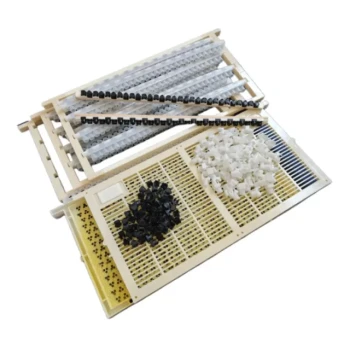
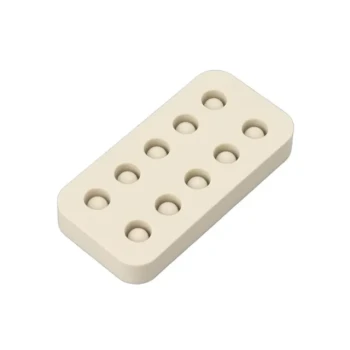
Virgin queens and queen cells serve as the fundamental vehicles for genetic transfer when establishing Varroa-resistant colonies. They act as the primary biological carriers, allowing beekeepers to extract genetics from high-performing "survivor" colonies and introduce them into non-resistant hives. This mechanism is essential for systematically spreading low-Varroa phenotypes throughout a commercial apiary.
The utilization of these biological consumables is the critical step in the biological process required to achieve chemical-free commercial beekeeping. It allows you to replace vulnerable genetics with resilient traits across your entire operation.
The Role of Biological Consumables
Spreading Favorable Genetics
The primary significance of virgin queens and queen cells lies in their ability to carry specific genetic material.
By rearing high-quality cells from survivor colonies, you isolate the genes responsible for Varroa resistance.
When you use these cells to requeen non-resistant colonies, you effectively overwrite the previous genetic profile with one capable of survival without intervention.
Establishing Chemical-Free Operations
Achieving a chemical-free apiary is not merely about stopping treatments; it requires a fundamental biological shift.
Virgin queens are the catalyst for this shift, moving the apiary away from chemical dependency.
They introduce the biological assets necessary to maintain colony health naturally, rather than relying on external synthetic aids.
Ensuring Success Through Environment
The Necessity of Mating Equipment
While the virgin queen carries the potential, she requires specific conditions to unlock it.
Specialized mating colony equipment provides the essential social environment and stability needed for the queen.
This equipment supports the queen during her natural mating flights, a phase that directly influences fertilization rates and her transition into egg-laying.
Verifying Cross-Generational Traits
The process does not end with the introduction of the queen; the traits must be verified.
Mating colonies allow you to observe the queen as she begins the egg-laying phase.
Only after a queen has successfully mated and begun laying in this controlled environment can you verify egg-laying volume and brood patterns, confirming the successful transmission of maternal resistance traits.
Understanding the Operational Trade-offs
The Risk of Mating Failure
Using virgin queens involves a higher risk profile than buying established, mated queens.
Even with superior genetics, the queen must successfully complete her mating flights.
Instability in the mating colony design can lead to fertilization failure, rendering the genetic potential of the virgin queen useless.
The Requirement for Verification
You cannot instantly assume a colony is resistant simply because a queen cell was introduced.
There is a lag time between introduction and the verification of traits.
You must invest time and resources into observing the new queen's brood patterns to ensure the resistance traits are actually expressing themselves in the new generation.
Making the Right Choice for Your Apiary
The decision to utilize virgin queens and queen cells depends on your specific operational goals for resistance.
- If your primary focus is rapid genetic overhaul: Prioritize rearing high-quality queen cells from survivor stock to requeen non-resistant colonies on a large scale.
- If your primary focus is trait stability: Ensure you utilize specialized mating colony equipment to verify egg-laying volume and brood patterns before full deployment.
Success in this field relies on treating these queens not just as livestock, but as the central technology for biological resistance.
Summary Table:
| Biological Component | Role in Resistance | Key Benefit |
|---|---|---|
| Queen Cells | Genetic Isolation | Extracts traits from high-performing survivor colonies. |
| Virgin Queens | Genetic Catalyst | Overwrites non-resistant profiles to enable chemical-free operations. |
| Mating Equipment | Environmental Support | Ensures successful fertilization and stable social environments. |
| Trait Verification | Quality Control | Confirms egg-laying volume and successful transmission of maternal traits. |
Elevate Your Apiary’s Resilience with HONESTBEE
Transitioning to a chemical-free, Varroa-resistant operation requires the right biological strategy and professional-grade infrastructure. At HONESTBEE, we specialize in supporting commercial apiaries and distributors with the comprehensive tools needed for this evolution. From specialized queen mating colony equipment that ensures high fertilization rates to industrial-scale hive-making and honey-filling machinery, we provide the hardware necessary to scale your success.
Whether you are looking for high-quality beekeeping consumables or heavy-duty machinery to streamline your honey production, our wholesale offerings are designed for efficiency and durability. Contact HONESTBEE today to discuss how our specialized equipment can help you establish more resilient and profitable colonies.
References
- John Kefuss, Cyril Kefuss. Selection for resistance to <i>Varroa destructor</i> under commercial beekeeping conditions. DOI: 10.1080/00218839.2016.1160709
This article is also based on technical information from HonestBee Knowledge Base .
Related Products
- Portable Queen Bee Incubator with 12V Car Adapter for Safe Transport
- Brown Nicot Queen Cell Cups for Breeding Queen Bees Beekeeping
- Premium Nicot Style Cell Bar Holder and Queen Cell Cup Holder System
- No Grafting Queen Rearing Kit: System for Royal Jelly Production and Queen Rearing
- 10-Cell Silicone Beeswax Bee Queen Cups Forming Mold
People Also Ask
- What happens if a colony loses its queen during the nectar flow? A Guide to Salvaging Your Honey Harvest
- How can you tell if the worker bees have accepted the queen? Decode Bee Behavior for a Thriving Hive
- How can the queenless state of a newly created nuc be resolved? Expert Solutions for Colony Growth
- What are the primary reasons for replacing a queen bee? Boost Your Commercial Honeybee Colony's Success
- What queen bee behaviors should be observed after introduction? Ensure Hive Success with Our Expert Monitoring Guide