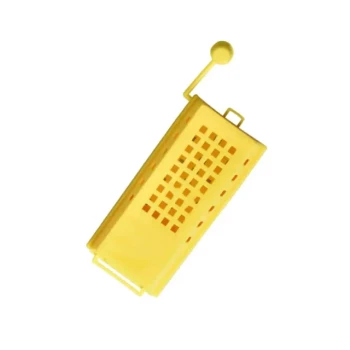
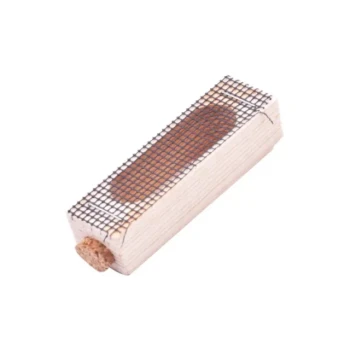
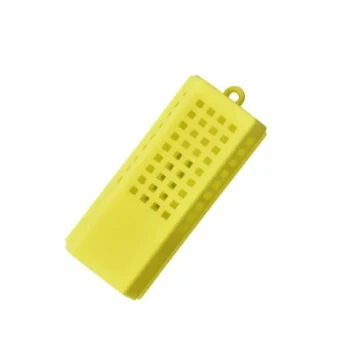
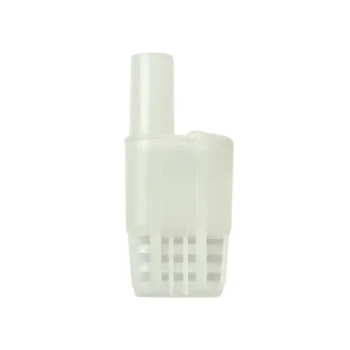
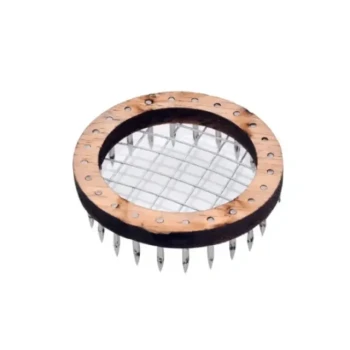
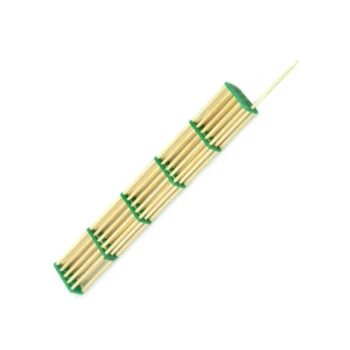
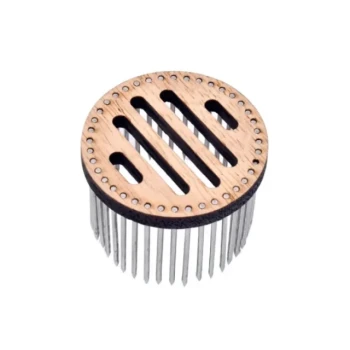
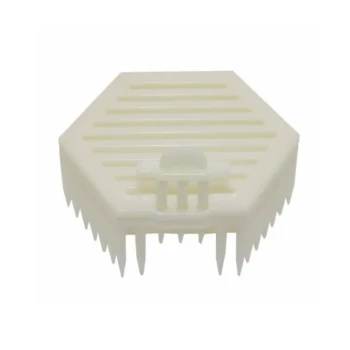
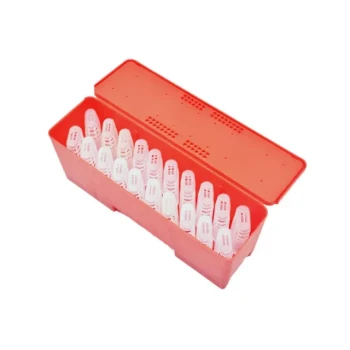
Technically speaking, a queen cage serves as a controlled isolation interface within the hive environment. During the manual requeening process, its primary function is to physically sequester the queen bee to manage genetic transitions. This tool is critical for confining the original queen in high-infestation colonies to facilitate her removal, while simultaneously shielding new genetic stock from aggression during the volatile acclimation period.
Core Takeaway Requeening is a disruption of the hive's biological order that triggers defensive instincts. The queen cage acts as a crucial buffer, facilitating the safe removal of inferior genetic lines and the successful integration of new stock by preventing direct physical conflict.
The Mechanics of Controlled Isolation
Confining the High-Infestation Queen
According to treatment protocols, the queen cage is essential for managing colonies with inferior or infested genetic stock.
By isolating the original queen, you ensure her controlled removal from the ecosystem. This prevents her from interfering with the introduction of new genetic lines that are potentially more resistant to pests or disease.
Protecting the Transition Phase
The physical barrier of the cage serves a dual purpose during the requeening phase.
It prevents the established queen from destroying introduced queen cells or attacking a new queen. This separation is vital for increasing the success rate when swapping out genetic stock.
Pheromone Regulation and Integration
Facilitating Chemical Acclimation
While the primary function is isolation, the cage is engineered to allow pheromone exchange.
Openings in the cage mesh enable the new queen to release her specific chemical signals into the hive. This gradual exposure allows the colony to adapt to the new queen's scent without the ability to physically harm her.
Mitigating Colony Exclusion Instincts
Worker bees possess a strong instinct to attack and kill unfamiliar queens, known as colony exclusion.
The cage provides a secure environment that physically blocks these attacks. It holds the workers at bay until the chemical integration is complete and the colony accepts the new queen as their own.
Understanding the Trade-offs
The Risk of Premature Release
While the cage offers protection, it is a temporary measure.
Releasing the queen before the colony has fully acclimated to her pheromones often results in immediate rejection and balling (killing) by the workers. Patience during the isolation phase is technically non-negotiable.
Isolation vs. Interaction
The cage successfully isolates the queen, but it also restricts her biological functions.
She cannot lay eggs or be fully fed by attendants as easily as when free. Therefore, the duration of confinement must be carefully timed to balance protection with the queen's health and productivity.
Making the Right Choice for Your Goal
To apply this technical knowledge to your apiary management, consider your specific objective:
- If your primary focus is Pest Management: Utilize the cage to confine and remove the original queen from high-infestation colonies to halt the propagation of inferior genetics.
- If your primary focus is Genetic Introduction: Rely on the cage’s mesh structure to facilitate gradual pheromone release, ensuring the colony accepts the new lineage without aggression.
Mastering the use of the queen cage transforms requeening from a gamble into a calculated, high-percentage procedure.
Summary Table:
| Technical Feature | Primary Function | Operational Benefit |
|---|---|---|
| Physical Sequestration | Controlled isolation of queens | Prevents aggressive 'balling' and lethal conflict |
| Mesh Interface | Pheromone exchange regulation | Facilitates chemical acclimation for colony acceptance |
| Controlled Removal | Confinement of infested stock | Ensures 100% removal of inferior genetic lines |
| Protection Buffer | Temporary genetic shield | High-percentage success rate for new lineage introduction |
Elevate Your Apiary Management with HONESTBEE
At HONESTBEE, we understand that successful requeening is the foundation of a productive colony. As a dedicated partner to commercial apiaries and global distributors, we provide the professional-grade tools you need to master every genetic transition.
Our comprehensive wholesale portfolio includes everything from precision-engineered queen cages and hive hardware to advanced honey-filling machines and specialized beekeeping machinery. Whether you are scaling your commercial operations or supplying the industry with essential consumables, HONESTBEE delivers the quality and reliability your business demands.
Ready to optimize your production and secure high-quality equipment?
Contact us today to discuss your wholesale needs
References
- İbrahim Çakmak, Stefan Fuchs. Exploring a treatment strategy for long-term increase of varroa tolerance on Marmara Island, Turkey. DOI: 10.3896/ibra.1.52.5.11
This article is also based on technical information from HonestBee Knowledge Base .
Related Products
- Durable Galvanized Steel Spring Queen Bee Cage
- Professional Queen Cage with Sliding Gate and Feeder Plug
- Classic Wooden and Mesh California Queen Cage
- Professional Queen Bee Introduction and Transport Cage
- Professional Multi-Functional Queen Bee Cage
People Also Ask
- Why are specialized queen bee cages used for the banking of mated queen bees? Maximize Commercial Apiary Storage Efficiency
- What is the mechanism of action for using temporary queen bee cages? Master Successful Queen Introduction
- What is the step-by-step process for installing a queen bee's cage onto a frame? Ensure Hive Acceptance Safely
- What is the optimal placement for a queen bee cage? Essential Strategies for Successful Re-queening
- What are the advantages and disadvantages of introducing a queen bee by embedding the cage? Boost Your Queen Acceptance