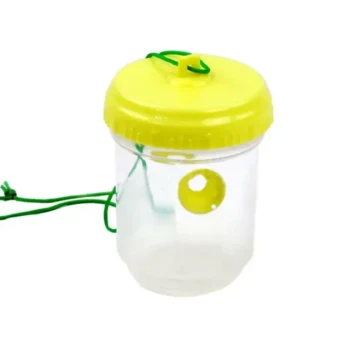
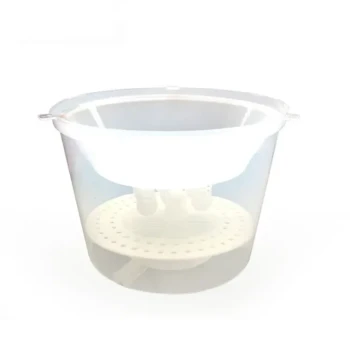
A plastic propolis trap functions as a structural catalyst designed to exploit a honeybee colony’s natural instinct to seal crevices. By introducing a fine grid structure against the interior walls of the hive, the device creates artificial, narrow gaps that the bees are biologically driven to repair using plant resins.
Core Insight: The trap is not merely a collection device; it is an environmental control tool. By inducing the bees to seal the grid with propolis, you create a biological vapor barrier that significantly increases internal humidity, a condition necessary for suppressing Varroa mite populations.
The Mechanism of Induced Collection
Exploiting Biological Instincts
The technical foundation of the trap is its fine grid structure. This design intentionally mimics the structural imperfections or cracks bees naturally encounter in the wild.
Triggering the Sealing Response
When installed against the hive's interior, the grid presents a network of gaps that the colony perceives as a breach in their home's integrity. To correct this, bees collect plant resins and secrete propolis to fill the grid openings.
Creating a Propolis Envelope
This process results in a comprehensive propolis lining along the hive walls. Unlike standard wooden equipment, which bees may leave bare, the trap forces the creation of a propolis-rich environment under managed conditions.
The Environmental Impact on the Hive
Forming a Vapor Barrier
Once the bees fill the trap's grid, the propolis acts as a biological sealant with extremely low vapor permeability. This effectively seals the hive walls against infiltration and exfiltration.
Managing Moisture Loss
In a standard hive, water vapor can escape through porous walls or gaps. The propolis lining created by the trap prevents this escape, retaining the moisture generated during honey ripening.
Suppressing Varroa Mites
The retention of water vapor raises the absolute humidity within the hive. This technical manipulation of the hive's microclimate is critical, as high humidity levels are known to suppress the reproduction and survival of Varroa mites.
Understanding the Trade-offs
Ventilation vs. Insulation
Using a propolis trap shifts the hive management strategy toward insulation and moisture retention. Beekeepers accustomed to high-ventilation strategies must recognize that this device deliberately reduces airflow through the hive walls to maintain humidity.
The "Forced" Cost
The trap introduces an artificial demand on the colony's labor. Bees must divert energy from other tasks, such as foraging for nectar, to gather the resins needed to seal the large surface area of the grid.
Making the Right Choice for Your Goal
The decision to utilize a plastic propolis trap depends on whether your objective is harvest or environmental control.
- If your primary focus is Varroa Management: The trap is a functional tool to increase absolute humidity, creating a microclimate hostile to mites without chemical intervention.
- If your primary focus is Propolis Production: The trap serves as a standardized harvesting matrix, allowing you to remove the grid and collect the clean resin once sealed.
By controlling the hive's envelope, you move from passive housing to active environmental management.
Summary Table:
| Feature | Technical Function | Primary Benefit |
|---|---|---|
| Grid Structure | Mimics natural crevices to trigger sealing instinct | Induces rapid propolis deposition |
| Biological Sealant | Creates a low-permeability vapor barrier | Prevents moisture loss and stabilizes climate |
| Microclimate Control | Increases internal absolute humidity | Naturally suppresses Varroa mite reproduction |
| Harvesting Matrix | Provides a standardized surface for resin collection | Enables clean and efficient propolis extraction |
Scale Your Apiary Success with HONESTBEE
As a commercial beekeeper or distributor, you need more than just supplies—you need specialized equipment that drives colony productivity and health. HONESTBEE provides a comprehensive wholesale portfolio designed for professional scale, ranging from high-efficiency plastic propolis traps and hive-making machinery to advanced honey-filling systems and premium industry consumables.
Whether you are looking to optimize hive microclimates for Varroa management or seeking high-quality hardware for your distribution network, our expert team is ready to support your growth.
Contact HONESTBEE today to discuss your wholesale needs and custom equipment solutions.
References
- Maggie Shanahan, Marla Spivak. Thinking inside the box: Restoring the propolis envelope facilitates honey bee social immunity. DOI: 10.1371/journal.pone.0291744
This article is also based on technical information from HonestBee Knowledge Base .
Related Products
- Removable Plastic Pollen Trap With Ventilated Tray for Bees Pollen Collector
- 8 Frame and 10 Frame Propolis Trap Collector Screen for Propolis Collection
- 30 cm Plastic Entrance Hole Bee Pollen Trap and Collector
- Plastic Bee Pollen Trap Strips Comb Catcher Collector
- Plastic Beetle Blaster Trap Beekeeping Tools and Supplies
People Also Ask
- What are the design principles and advantages of pollen traps in the collection of bee pollen? Boost Your Apiary Yield
- What is the function of professional pollen traps in evaluating honey plants? Quantifying Pollination and Crop Potential
- What functions do pollen traps serve for bee bread production? Optimize Your Raw Material Collection
- What maintenance and pest prevention measures should be taken for pollen traps? Protect Your Hive and Harvest Quality
- How does the use of pollen traps in honeybee hives enhance crop fertilization? Boost Your Yield Through Induced Activity