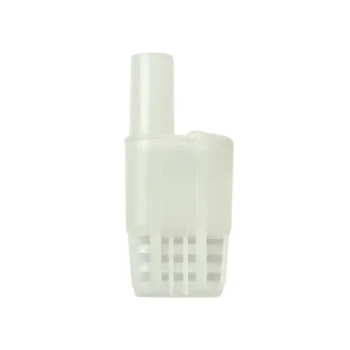
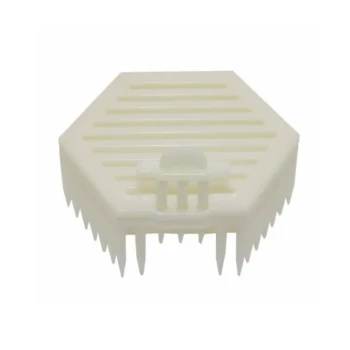
The technical function of a queen cage during the initial colonization of a honeybee swarm is to act as a biological anchor. By confining the queen within the new hive for approximately one week, you physically prevent her from departing, which compels the worker bees to remain due to their natural attraction to her pheromones. This process overrides the swarm's instinct to migrate, forcing a period of biological adaptation to the new environment.
Core Takeaway The queen cage serves as a safeguard against "absconding"—the phenomenon where a newly caught swarm abandons a new hive. It utilizes the queen's presence to mechanically stabilize the colony until they have accepted the new box as their permanent home.
The Mechanics of Colony Stabilization
The Biological Anchor
The primary technical function of the cage is physical confinement. A swarm of bees is biologically programmed to follow the queen; if she leaves, the colony follows.
By placing the queen in a cage, you create a fixed point within the hive that she cannot leave. As long as the queen remains inside the box, the worker bees will not abandon the site, securing the colony during the critical first days of establishment.
Pheromone Signaling
While the cage restricts the queen's movement, it must not block her chemical signals. Whether made of bamboo or wire mesh, the cage is designed to be porous.
This porosity allows the queen’s pheromones to circulate freely throughout the hive. These chemical signals are the mechanism that attracts the workers to the cage and stabilizes their behavior, signaling that the colony is intact and centralized.
The Adaptation Period
Forcing Environmental Acceptance
The confinement period, generally recommended to be approximately one week, serves as a mandatory adaptation phase.
During this time, the swarm is forced to settle and identify with the new environment. This duration is sufficient to break the swarm's migratory impulse and transition them into a hive-maintenance mode.
From Capture to Establishment
Supplementary data suggests that a minimum of three to five days is required for this stabilization.
During this window, the worker bees shift from a "swarming" mindset to an "established" mindset. Once they begin drawing comb or foraging, the risk of absconding drops significantly, and the queen can be released.
Understanding the Trade-offs
The Risk of Prolonged Confinement
While confinement is essential for retention, leaving a queen caged for too long can be detrimental. The colony cannot expand or lay eggs while the queen is confined.
Necessity vs. Aggression
In swarm capture scenarios, the cage is primarily for retention, not protection from aggression (unlike introducing a new queen to an old hive).
However, you must ensure the cage allows for proper feeding and care by nurse bees through the mesh or bars. If the cage isolates her too completely from worker care, the queen's health may deteriorate before release.
Making the Right Choice for Your Goal
To ensure the successful establishment of your swarm, consider your specific timing and objectives:
- If your primary focus is preventing absconding: Keep the queen confined for the full week to ensure the workers have fully accepted the new box as their permanent home.
- If your primary focus is rapid colony growth: Monitor the hive closely; if you see comb construction and pollen coming in after 3-5 days, you may release the queen early to jumpstart egg-laying.
Technical success relies on balancing the physical security of the queen with the biological needs of the colony.
Summary Table:
| Technical Aspect | Function/Mechanism | Critical Duration |
|---|---|---|
| Physical Confinement | Acts as a biological anchor to prevent the queen from departing. | 3 to 7 days |
| Pheromone Signaling | Porous design allows chemical signals to circulate and attract workers. | Continuous |
| Colony Stabilization | Forces adaptation and shifts swarm instinct to hive-maintenance mode. | Minimum 3 days |
| Comb Construction | Indicator that the swarm has accepted the new environment. | Post-release goal |
Maximize Your Apiary Success with HONESTBEE
For commercial apiaries and distributors, ensuring successful colony establishment is critical to your bottom line. At HONESTBEE, we specialize in providing the professional-grade tools you need to manage your operations efficiently. From high-quality queen cages and specialized beekeeping hardware to advanced honey-filling machines and hive-making equipment, we offer a comprehensive wholesale portfolio designed for industry leaders.
Partner with us to access a reliable supply of essential consumables and cultural merchandise that set your business apart. Let our expertise support your growth—contact us today to discuss your wholesale needs!
References
- Aan Kunaedi, Elva Angela. Empowerment of coffee farmers in Gunung Manik Village through intercropping of honey bee (apis mellifera). DOI: 10.31603/ce.11251
This article is also based on technical information from HonestBee Knowledge Base .
Related Products
- Durable Galvanized Steel Spring Queen Bee Cage
- Professional Queen Cage with Sliding Gate and Feeder Plug
- Classic Wooden and Mesh California Queen Cage
- Professional Queen Bee Introduction and Transport Cage
- Professional Multi-Functional Queen Bee Cage
People Also Ask
- Why are specialized queen bee cages used for the banking of mated queen bees? Maximize Commercial Apiary Storage Efficiency
- What is the mechanism of action for using temporary queen bee cages? Master Successful Queen Introduction
- What is the step-by-step process for installing a queen bee's cage onto a frame? Ensure Hive Acceptance Safely
- What is the optimal placement for a queen bee cage? Essential Strategies for Successful Re-queening
- What are the advantages and disadvantages of introducing a queen bee by embedding the cage? Boost Your Queen Acceptance