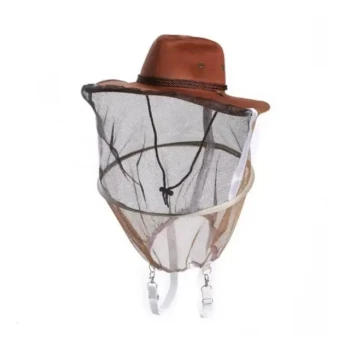
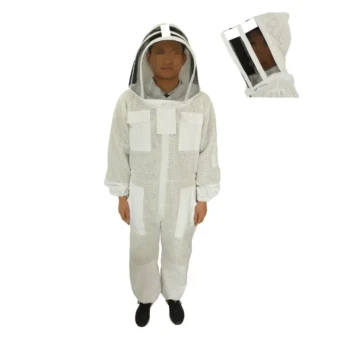
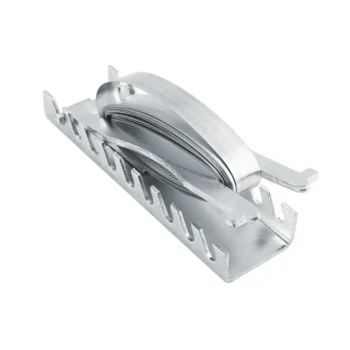
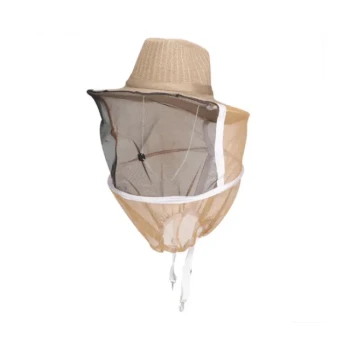
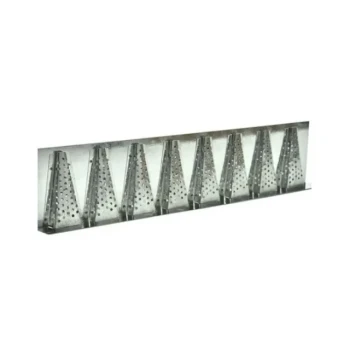
Hornet defense equipment functions as a specialized hardware intervention designed to establish a physical security perimeter around honeybee colonies. Mechanically, it operates through a combination of physical barriers (such as nets) and induction-kill mechanisms (traps) that actively intercept large predators like wasps and hornets before they can breach the hive entrance.
Core Takeaway By creating a hardened boundary utilizing interception traps and exclusion nets, this equipment secures the hive's biological integrity. It specifically targets large predators to prevent colony collapse, thereby safeguarding the queen and the core worker population.
The Mechanics of the Defense Perimeter
Establishing Physical Barriers
The primary line of defense involves the deployment of protective nets and screens. These serve as a static shield, physically separating the apiary environment from external threats.
By enclosing the apiary or specific hive zones, these barriers render the colony inaccessible to large predators while allowing the smaller honeybees to pass through.
Induction-Kill Mechanisms
Beyond passive barriers, the equipment utilizes specialized traps equipped with induction-kill mechanisms. These devices entice predatory wasps and hornets into a confined space where they are neutralized.
This reduces the immediate predator load in the area, preventing the "slaughter phase" where hornets can rapidly decimate a colony's workforce.
Entrance Reduction
While specialized hornet equipment handles the perimeter, the hive entrance itself is often fortified using entrance reducers.
Reducing the entrance size restricts the point of entry, making it significantly easier for guard bees to defend against intrusion and preventing large predators from entering the hive body freely.
Biological Safety Objectives
Protecting the Queen
The ultimate technical goal of this hardware is the preservation of the queen bee.
If a hornet breaches the hive, the colony's reproductive future is at immediate risk; defense equipment mitigates this by stopping the threat at the perimeter.
Maintaining Colony Integrity
Hornet attacks focus on destroying the core population of worker bees to loot the hive.
By intercepting predators, the equipment maintains the colony's critical mass, ensuring there are enough workers to forage, care for brood, and maintain hive homeostasis.
Essential Maintenance and Trade-offs
Hardware Hygiene Requirements
Defense equipment is not "set and forget." Just as bottom boards and Varroa screens must be regularly scraped to remove filth and debris, defense traps must be maintained.
Accumulated debris or dead predators can reduce the efficacy of traps and barriers, requiring regular inspection by the beekeeper.
The Necessity of Integrated Management
Hardware alone cannot solve every issue. For example, while traps stop hornets, mouse guards must be applied in the fall to prevent rodent intrusion.
Similarly, general hive health—maintained by scraping excess wax and propolis from frames—ensures that if a defense breach occurs, the colony is robust enough to recover.
Making the Right Choice for Your Goal
- If your primary focus is immediate predator control: Prioritize equipment with induction-kill mechanisms and protective nets to rapidly reduce the population of attacking hornets.
- If your primary focus is general colony security: Combine defense traps with entrance reducers and mouse guards to harden the hive against a spectrum of intruders, from robbers to rodents.
Effective defense relies on a secure perimeter that physically excludes predators from the colony's vital core.
Summary Table:
| Defense Component | Technical Mechanism | Primary Benefit |
|---|---|---|
| Protective Nets | Physical Barrier | Excludes large predators while allowing honeybee passage. |
| Induction-Kill Traps | Interception & Neutralization | Actively reduces predator load and prevents 'slaughter phase'. |
| Entrance Reducers | Aperture Restriction | Fortifies the hive entry point for easier defense by guard bees. |
| Integrated Hardware | Perimeter Hardening | Safeguards the queen and maintains colony biological integrity. |
Secure Your Apiary’s Future with HONESTBEE
Protecting your commercial honey production starts with robust, high-performance hardware. At HONESTBEE, we specialize in empowering commercial apiaries and distributors with the tools needed to combat colony threats and optimize hive health.
Our comprehensive wholesale portfolio includes:
- Advanced Hornet Defense Systems: Specialized nets and induction-kill traps.
- Hive-Making & Honey-Filling Machinery: Automate your production line for maximum efficiency.
- Essential Consumables: From hardware components to honey-themed cultural merchandise.
Don't let predators compromise your hive's biological integrity. Partner with a supplier that understands the scale of your operations.
Contact HONESTBEE today for wholesale inquiries and expert equipment solutions.
References
- Ahmed Al-Gohary. Beekeepers' Adaptation to Climate Changes in Gharbia Governorate تکيف مربي نحل العسل مع التغيرات المناخية بمحافظة الغربية. DOI: 10.21608/sjas.2021.73807.1091
This article is also based on technical information from HonestBee Knowledge Base .
Related Products
- Metal Hive Feet Bee Hive Stand for Ant Protection
- Premium Cowboy Beekeeper Hat with Visibility Veil Outdoor Professional Beekeeping Protective Gear
- White Cotton Beekeeping Jacket and Veil for Bee Keepers
- Square Folding Beekeeping Hat with Integrated Veil
- Three-Layer Ventilated Beekeeper Suit with Structured Fencing Veil
People Also Ask
- What are the benefits of elevating a bee hive with a stand or base? Protect Your Colony and Your Back
- How does a beehive stand protect against predators and pests? Essential Strategies for Colony Security
- How should the height of a beehive stand be determined? Find Your Ergonomic Sweet Spot
- What to stand a beehive on? The Best Foundation for a Healthy, Manageable Apiary
- What is the best base for a beehive? Choose the Right Stand for Colony Health