The technical function of installing wooden feet or support strips on a stingless bee hive is to mechanically decouple the hive body from its installation surface. This elevation minimizes the direct contact area between the wood and the bench or stand, which serves to drastically reduce moisture-induced erosion and dampen the transmission of external vibrations.
By simply raising the hive, you transform the base from a passive point of failure into an active protection mechanism. This creates a physical buffer that preserves the structural integrity of the wood and maintains a calm internal environment for the colony.
Mechanisms of Protection
Mitigating Moisture Erosion
The most immediate threat to a wooden hive sitting flush against a surface is trapped water.
When the base of the hive has full contact with a lab bench or stand, moisture becomes trapped between the two surfaces.
Installing feet reduces this contact area, preventing water accumulation that leads to base rot and material erosion over time.
Dampening External Vibrations
Stingless bees rely heavily on a stable physical environment.
Direct contact with a supporting surface acts as a bridge for mechanical vibrations, transmitting shocks from the environment directly into the colony.
Support strips interrupt this path, reducing the intensity of physical disturbances that reach the bees.
Enhancing Handling and Fixation
Beyond biological benefits, this design feature serves a logistical purpose for researchers and apiarists.
A hive that sits flush on a table is difficult to lift, position, or secure without jostling the colony.
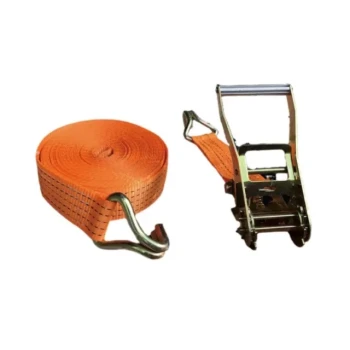
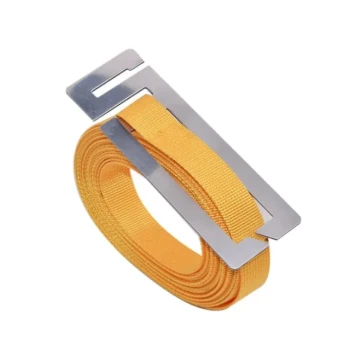
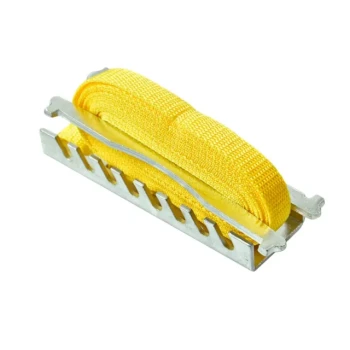
The gap created by the feet allows for easier gripping and provides clearance for mechanical fixation tools, ensuring the hive can be secured safely.
Understanding the Trade-offs
Stability Dependencies
While feet provide isolation, they introduce a dependency on the quality of the installation surface.
If the wooden feet are not perfectly leveled, or if the strips are not aligned parallel to one another, the hive becomes prone to wobbling.
Structural Stress Points
Concentrating the weight of the hive onto two or four small points (the feet) rather than the entire base creates stress concentrations.
You must ensure the support strips are securely attached to the hive body to prevent them from detaching during movement, which could lead to a catastrophic drop.
Making the Right Choice for Your Goal
To maximize the utility of your hive design, align your installation method with your specific operational needs:
- If your primary focus is Equipment Longevity: Prioritize support strips made of rot-resistant wood to ensure the air gap remains consistent, keeping the hive base dry.
- If your primary focus is Research and Observation: Ensure the feet are designed with fixation points that allow you to clamp the hive to a bench, minimizing vibration during data collection.
A properly elevated hive creates a barrier against the elements and physical shock, ensuring your focus remains on the colony rather than equipment maintenance.
Summary Table:
| Feature | Technical Benefit | Impact on Colony |
|---|---|---|
| Physical Elevation | Reduces surface contact area | Prevents wood rot and moisture accumulation |
| Vibration Dampening | Interrupts mechanical shock paths | Maintains a calm, stable internal environment |
| Ergonomic Gap | Facilitates easier lifting/fixation | Reduces colony stress during hive movement |
| Support Strips | Distributes weight efficiently | Ensures long-term structural integrity |
Elevate Your Commercial Apiary with HONESTBEE
As a dedicated partner to commercial apiaries and global distributors, HONESTBEE understands that precision in equipment design leads to success in the field. We provide a comprehensive wholesale range of beekeeping tools, from specialized hive-making and honey-filling machinery to high-quality consumables and honey-themed merchandise.
Whether you are scaling your distribution network or optimizing hive performance, our professional-grade solutions are built to last. Contact us today to explore our full portfolio and discover how we can streamline your operations and deliver superior value to your customers.
References
- Celso Barbiéri, Tiago Maurício Francoy. A Scientific Note on a Stingless Bee Hive Model for Ecological and Behavioral Studies and for Environmental Education. DOI: 10.13102/sociobiology.v66i1.3401
This article is also based on technical information from HonestBee Knowledge Base .
Related Products
- Wooden Bee Hive Frames for Beekeeping and Wholesale
- Wholesales Dadant Size Wooden Bee Hives for Beekeeping
- HONESTBEE Wired and Assembled Wooden Bee Frames Foundation for a Thriving Hive
- HONESTBEE Premium Italian Style Hive Tool with Hardwood Handle
- Assembled Wooden Bee Frames with Plastic Foundation for Durability and Convenience by HONESTBEE
People Also Ask
- How does balancing the number of frames impact hive productivity? Optimize Your Apiary's Biological Output
- How do wooden and plastic hive frames compare in terms of durability? Wood vs. Plastic Longevity & Repairability
- What are the main considerations when choosing between wooden and plastic bee hive frames? Optimize Your Apiary's Efficiency
- How should beehive frames be maintained to prolong their lifespan? 5 Pro Tips for Durable Beekeeping Equipment
- What are frames and combs used for in beekeeping? The Foundation of Modern Hive Management