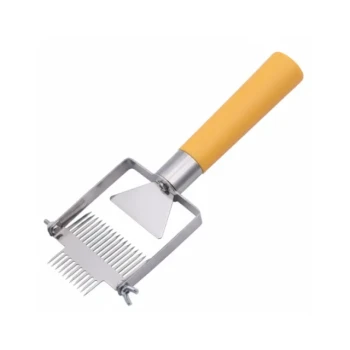
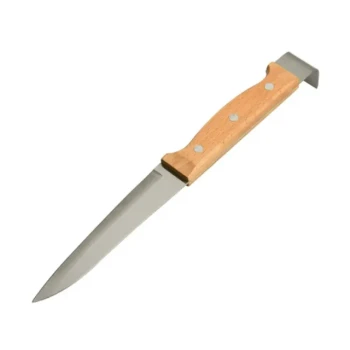
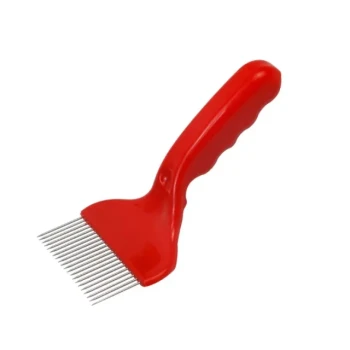
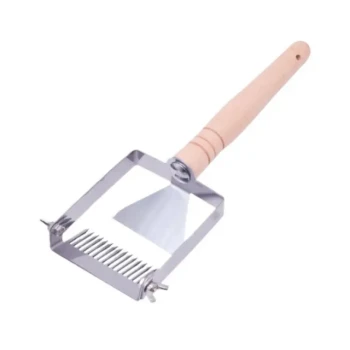
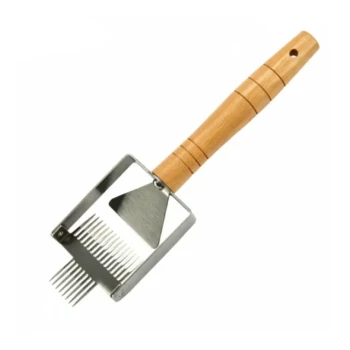
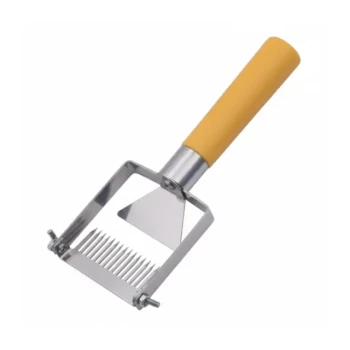
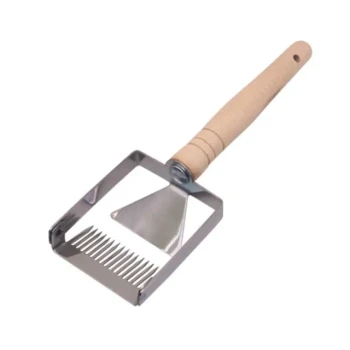
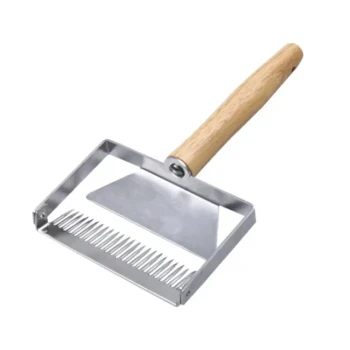
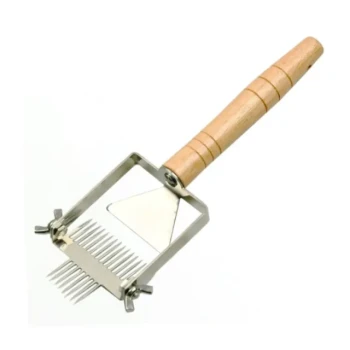
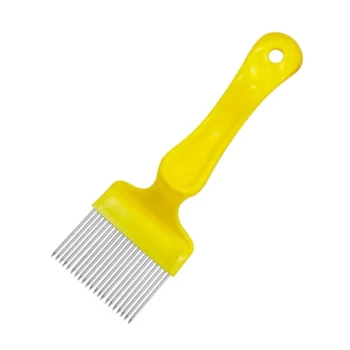
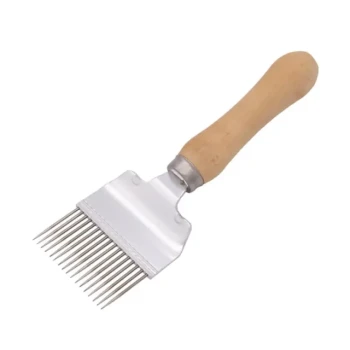
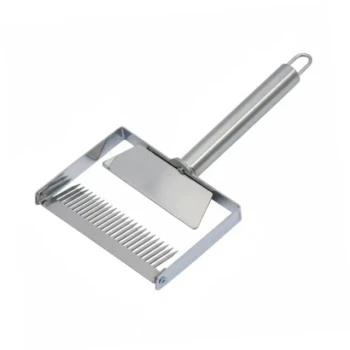
The uncapping process serves as the critical purification step in the harvesting of bee bread. Technically, it involves the precise physical removal of the wax layer that bees utilize to seal cells during lactic acid fermentation. This procedure is not simply about access; it is a vital separation technique required to isolate the fermented pollen from its protective packaging without introducing contaminants.
While uncapping grants physical access to the cell contents, its true technical significance lies in preserving sample integrity. The precision of this process directly correlates to the accuracy of chemical composition data in subsequent laboratory analysis.
The Technical Barrier of the Wax Seal
The Biological Context
Bee bread undergoes lactic acid fermentation within the comb. To facilitate this environment and protect the stored nutrients, bees apply a distinct protective wax layer. This seal is structurally integrated with the cell, making removal a delicate operation.
The Necessity of Removal
Harvesting cannot occur without breaching this barrier. However, the technical challenge is not just breaking the seal, but removing it entirely. If the wax is merely punctured rather than removed, it becomes a contaminant rather than a barrier.
Critical Impact on Analytical Data
Preventing Sample Contamination
In manual harvesting, the primary technical goal is preventing wax debris from mixing with the bee bread. Wax is chemically distinct from the protein-rich fermented pollen. Even small amounts of wax inclusion can alter the mass and chemical profile of a sample.
Ensuring Laboratory Accuracy
The reference emphasizes that precision in uncapping is vital for maintaining the accuracy of laboratory results. When researchers analyze the chemical composition of bee bread, they require a pure substrate. Poor uncapping introduces variables that can skew data regarding nutritional content, acidity, and fermentation quality.
Common Pitfalls and Trade-offs
Manual Precision vs. Contamination Risk
The process relies heavily on the harvester's dexterity. There is a constant trade-off between the speed of uncapping and the purity of the sample. Rushing the process increases the likelihood of wax falling into the cell, which permanently contaminates the specimen used for analysis.
The Cost of Imprecision
If the uncapping is not "precise"—as the technical standard demands—the sample becomes heterogeneous (a mix of bread and wax). This renders it unsuitable for high-sensitivity chemical profiling, effectively wasting the harvesting effort.
Establishing a High-Fidelity Protocol
To ensure your harvesting process yields scientifically valid data, consider the following based on your specific objectives:
- If your primary focus is precise chemical analysis: Prioritize slow, meticulous manual uncapping to ensure zero wax debris enters the sample.
- If your primary focus is bulk extraction: Acknowledge that faster uncapping methods will introduce wax contaminants that invalidate detailed compositional data.
Technical precision at the uncapping stage is the only way to guarantee the chemical reality of the harvested bee bread matches the laboratory output.
Summary Table:
| Technical Aspect | Impact on Harvesting | Significance for Analysis |
|---|---|---|
| Wax Seal Removal | Eliminates the lactic acid fermentation barrier | Prevents sample heterogeneity and debris |
| Sample Integrity | Preserves the pure protein-rich substrate | Ensures accurate mass and chemical profiling |
| Contamination Control | Minimizes wax-to-bread mixing | Maintains high-fidelity data for lab results |
| Manual Precision | High dexterity prevents specimen waste | Crucial for high-sensitivity chemical profiling |
Elevate Your Commercial Bee Bread Production with HONESTBEE
At HONESTBEE, we understand that technical precision in harvesting is the difference between premium products and contaminated waste. Whether you are a commercial apiary focusing on high-purity bee bread extraction or a distributor seeking specialized equipment, we provide the comprehensive wholesale solutions you need.
Our Value to Your Business:
- Specialized Machinery: From hive-making to honey-filling and precise extraction equipment, we supply tools designed for industrial efficiency.
- Essential Consumables: A full spectrum of beekeeping hardware and industry-standard consumables to support every stage of your operations.
- Global Distribution: We cater to the high-volume demands of international distributors with reliable hardware and honey-themed cultural merchandise.
Ready to optimize your harvesting workflow with professional-grade tools? Contact us today to explore our wholesale catalog!
References
- Erwan Erwan, Agussalim Agussalim. Preliminary Study on Moisture, Fat, and Protein Contents of Bee Bread From Apis cerana from Different Regions in North Lombok Regency, Indonesia. DOI: 10.21776/ub.jtapro.2021.022.01.5
This article is also based on technical information from HonestBee Knowledge Base .
Related Products
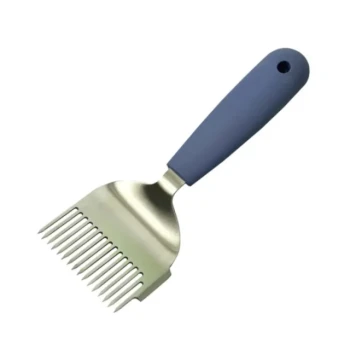
- Professional Multi-Function Uncapping Fork with Ergonomic Rubber Grip
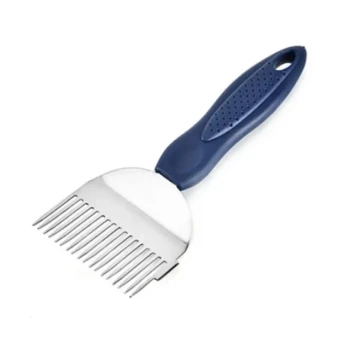
- Professional Multi-Function Uncapping Fork with Integrated Blade for Beekeeping
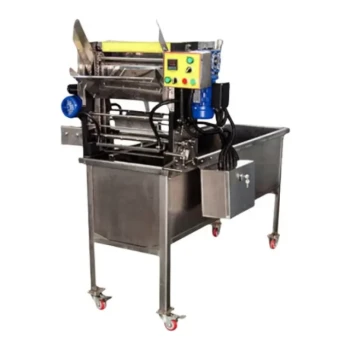
- Automatic Honey Frame Uncapper Machine for Beekeeping
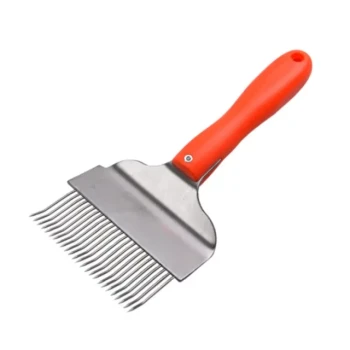
- Professional Extra-Wide Uncapping Fork with Bent Tines for Beekeeping
- Double Sided Adjustable Honey Uncapping Fork with Plastic Handle
People Also Ask
- What is the primary use of an uncapping fork in beekeeping? A Guide to Precision Honey Harvesting
- What is the use of an uncapping fork? A Precision Tool for Hive Management and Honey Harvesting
- What is the original purpose of an uncapping fork? Mastering Precision Honey Extraction and Comb Preservation
- How is an uncapping fork used to uncap honey frames? Precision Techniques for Perfect Honey Extraction
- What is an uncapping fork? A Precision Tool for Efficient Honey Harvesting