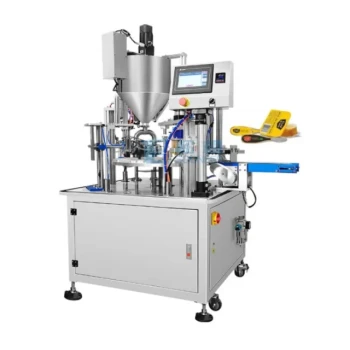
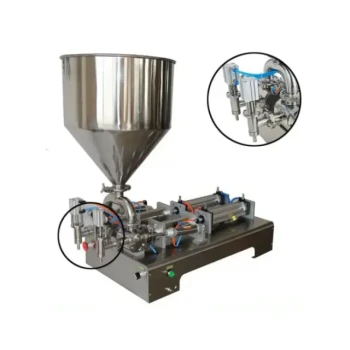
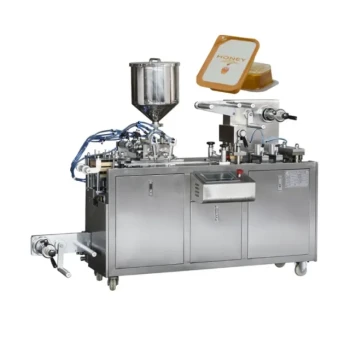
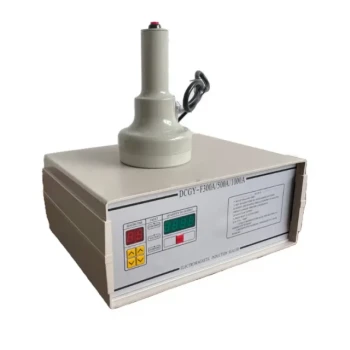
The working process of a sachet filling and packing machine is a synchronized, multi-stage operation that converts a roll of raw packaging film into individual, filled, and sealed units. This automated cycle follows a strict sequence: unwinding the material, forming the sachet shape, accurately feeding and filling the product, heat sealing the enclosure, printing identification details, and finally cutting the strip into finished sachets.
Core Takeaway: Sachet packing machines function by integrating film mechanics with volumetric dosing. The efficiency of the system relies on the seamless transition between the "forming" of the packaging material and the precise "filling" of the product, ensuring consistent weight and hermetic sealing in a single pass.
The Mechanical Sequence: Step-by-Step
1. Unwinding the Packing Material
The process begins with the unwinding of the packing material from a large roll, often called the film web.
Ensuring Proper Tension
The machine pulls this film through a series of rollers. These rollers maintain constant tension to ensure the film remains flat and wrinkle-free, which is critical for accurate alignment later in the process.
2. Forming the Sachet
Once unwound, the flat film is guided to the forming station.
Creating the Shape
Here, the film passes over a forming collar or tube. This mechanical assembly folds the flat sheet into a tube or pouch shape, preparing it to receive the product.
3. Feeding and Filling the Product
This is the core functional step where the product is dispensed into the newly formed sachet.
Accurate Dosing
The machine utilizes a dosing system—such as a piston for liquids or a cup filler for granules—to measure a predetermined amount of product.
Synchronization
The product is released into the sachet immediately after the bottom or side seals are formed. This ensures the product lands securely inside the pouch without spillage.
4. Heat Sealing the Sachet
After filling, the open end of the sachet must be closed to secure the contents.
Thermal Bonding
The machine employs heat sealing bars that press against the film. The heat activates the sealant layer on the packaging material, creating a hermetic seal that protects the product from contamination.
5. Embossing or Printing
Before the sachet leaves the machine, it undergoes a coding process.
Compliance and Traceability
The machine stamps, embosses, or prints vital information directly onto the seal or the body of the sachet. This typically includes the batch number, manufacturing date, or expiration date.
6. Cutting and Outputting
The final step separates the continuous strip of filled sachets into individual units.
Separation
A sharp blade or distinct cutting jaw slices through the sealed film between the sachets. The finished products then drop onto a conveyor belt or into a collection bin, ready for final boxing or distribution.
Understanding the Trade-offs
Speed vs. Seal Integrity
Running the machine at maximum speed can sometimes compromise the heat sealing process. If the dwell time (the time the heat bars touch the film) is too short, the seal may be weak and prone to leaking.
Viscosity Limitations
While these machines are versatile, the filling mechanism must be matched to the product's viscosity. A machine set up with a piston filler for liquids may struggle or fail if used for granular powders without changing the dosing unit.
Making the Right Choice for Your Goal
To ensure your production line runs efficiently, match the machine's capabilities to your specific product requirements.
- If your primary focus is liquid products (e.g., honey, shampoo): Ensure your machine utilizes a piston filling mechanism or pump system to handle viscosity changes and ensure volumetric accuracy.
- If your primary focus is regulatory compliance: Prioritize machines with robust embossing or printing stations that produce legible, permanent batch codes on every unit.
- If your primary focus is high-speed output: Verify that the unwinding and cutting mechanisms are robust enough to handle high tension without tearing the packing material.
Success in sachet packaging comes from balancing precise filling volume with reliable, airtight sealing.
Summary Table:
| Stage | Action | Key Component |
|---|---|---|
| 1. Unwinding | Maintaining film tension | Tension Rollers |
| 2. Forming | Creating the sachet shape | Forming Collar/Tube |
| 3. Filling | Accurate product dosing | Piston or Cup Filler |
| 4. Sealing | Creating hermetic seals | Heat Sealing Bars |
| 5. Printing | Coding batch/expiry dates | Embossing/Printing Station |
| 6. Cutting | Separating into units | Cutting Blade/Jaw |
Elevate Your Production with HONESTBEE Beekeeping Solutions
At HONESTBEE, we specialize in empowering commercial apiaries and distributors with high-performance machinery. Whether you need precise honey-filling machines or specialized sachet packing equipment for honey and liquid products, our comprehensive wholesale offering has you covered.
Why partner with us?
- Industry Expertise: From hive-making machines to advanced packaging technology.
- Comprehensive Supply: We provide the full spectrum of beekeeping tools, machinery, and essential consumables.
- Scalable Solutions: Designed specifically for large-scale operations and global distributors.
Ready to optimize your honey production and packaging? Contact us today to discover how our hardware and industry expertise can grow your business!
Related Products
- Automatic Single-Dose Snap & Squeeze Honey Sachets Packing Machine
- Honey Stick Filler Vertical Paste Sachet Packing Machine for Honey Sachets
- Small Honey Filling Machine Sachet Packing Equipment Single Nozzle
- Double Nozzle Small Honey Filling Machine Honey Sachet Packing Packaging Equipment
- Precision Automated Packaging Turntable Honey Spoon Filling Sealing Packing Machine
People Also Ask
- What are the advantages of honey sachet packing machines? Boost Efficiency & Unlock New Markets
- What are the main functions of a honey sachet packing machine? Boost Efficiency with Automated Precision
- How does an industrial-grade honey sachet packaging machine assist beekeepers in accessing public institution markets?
- Why is automated packaging machinery essential for scaling industrial honey production? Drive Commercial Scalability
- How does the viscosity of honey influence packaging choices? Selecting the Best Containers & Machinery