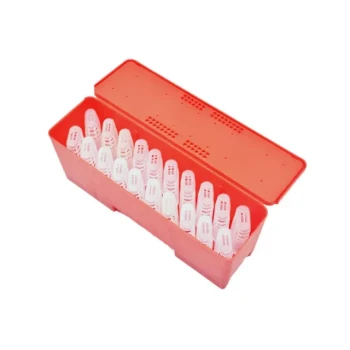
Migratory lids with vents serve as a critical environmental control system for beehives, specifically designed to maintain essential air circulation when the colony is most vulnerable. Unlike standard covers, these lids actively facilitate internal temperature regulation and gas exchange, preventing the dangerous accumulation of heat and carbon dioxide that occurs in stagnant air.
The primary value of a vented migratory lid is its ability to ensure the physiological stability of a colony during high-stress periods. By allowing airflow even when the hive is sealed, it prevents suffocation and overheating that would otherwise jeopardize the bees' survival.
The Mechanics of Colony Survival
To understand the importance of vented lids, one must look beyond simple shelter and consider the hive as a respiratory system.
Temperature Regulation
A bee colony generates significant metabolic heat. Without a mechanism to release this heat, the internal temperature can rise rapidly.
Vented migratory lids allow hot air to escape through the top of the hive. This vertical airflow is essential for preventing overheating, particularly during extreme weather conditions.
Gas Exchange Management
Bees, like all living organisms, consume oxygen and expel carbon dioxide ($CO_2$). In a closed system, $CO_2$ settles and accumulates.
The vented design prevents this accumulation by facilitating continuous gas exchange. It ensures that fresh air replaces stagnant air, preventing the colony from suffocating due to high $CO_2$ levels.
Critical Use Cases
The design of these lids is not merely for convenience; it is often a requirement for specific operational scenarios.
Sealed Hive Periods
There are times when a hive must be fully sealed, such as during transport (migration) or specific experimental treatments.
During these intervals, bees cannot ventilate the hive through the main entrance. The vented lid becomes the sole source of air circulation, keeping the colony alive while confined.
Ensuring Physiological Stability
Stress on a colony can lead to fluctuating health markers or behavioral changes.
By maintaining a consistent environment free from stagnant air, vented lids help maintain physiological stability. This is particularly crucial during experiments where external variables must be controlled to ensure accurate data.
The Risk of Stagnation (Trade-offs)
While standard lids provide maximum insulation, they can become a liability in specific contexts.
The Danger of Inadequate Ventilation
Using a non-vented lid during a sealed period creates a "dead air" space.
This stagnation leads to a rapid spike in temperature and humidity. Without the passive release provided by the vents, the colony faces immediate risks of heat stress and respiratory failure.
Making the Right Choice for Your Management Strategy
Selecting the right hive cover depends on your specific operational goals and the environmental conditions your bees face.
- If your primary focus is transport or confinement: You must utilize vented migratory lids to provide life-sustaining airflow while the main entrances are closed.
- If your primary focus is reducing environmental stress: Rely on the vents to assist the bees in thermoregulation during periods of extreme heat or weather volatility.
Proper ventilation is not an accessory; it is a fundamental requirement for colony resilience.
Summary Table:
| Feature | Primary Function | Impact on Colony |
|---|---|---|
| Vertical Ventilation | Releases trapped metabolic heat | Prevents overheating and heat stress |
| Gas Exchange | Facilitates $O_2$ intake and $CO_2$ expulsion | Prevents suffocation from stagnant air |
| Migration Support | Provides airflow when entrances are sealed | Ensures survival during long-distance transport |
| Environmental Control | Maintains physiological stability | Reduces stress during extreme weather or confinement |
Scale Your Apiary Operations with HONESTBEE
Optimizing colony health during transport and extreme weather requires professional-grade equipment designed for resilience. HONESTBEE provides commercial apiaries and distributors with high-performance migratory lids, advanced hive-making machinery, and a complete range of wholesale beekeeping tools. From honey-filling machines to essential industry consumables, our mission is to enhance your operational efficiency and colony stability.
Ready to upgrade your commercial beekeeping equipment? Contact our expert team today to discuss wholesale solutions tailored to your business needs.
References
- Théotime Colin, Andrew B. Barron. Effects of late miticide treatments on foraging and colony productivity of European honey bees (Apis mellifera). DOI: 10.1007/s13592-020-00837-3
This article is also based on technical information from HonestBee Knowledge Base .
Related Products
- Inner Beehive Cover for Beekeeping Bee Hive Inner Cover
- Three-Layer Ventilated Beekeeper Suit with Structured Fencing Veil
- Stainless Steel Round Beehive Air Vents for Ventilation
- Vented Beekeeping Jacket with Hood and Veil for Beekeepers
- Telescopic Beehive Outer Cover Lid Roof with Galvanised Sheeting for Langstroth Hive and Beehive Outer Cover
People Also Ask
- What is the purpose of the inner cover in a beehive? A Key to Hive Health & Easy Management
- What is the function and placement of an inner cover in a beehive? Essential Hive Management Guide
- What is the purpose of the inner and outer covers in a beehive? Essential for Hive Health & Management
- What is a beehive's inner cover and how is it used? Essential Guide for Hive Insulation and Ventilation
- What are the functions of the inner and outer covers on a beehive? Essential Guide for Hive Protection and Management