To strain raw honey effectively, you must employ mechanical filtration methods such as mesh strainers, fine sieves, or cheesecloth. These tools are typically secured over a collection bucket or positioned directly beneath a honey extractor’s outlet, allowing gravity to separate liquid honey from solid wax particles and hive debris.
Core Takeaway The objective of straining raw honey is to remove physical contaminants without altering the honey's chemical composition or removing beneficial pollen. By utilizing simple gravity-fed barriers like stainless steel mesh or cheesecloth, you can produce a clean, professional product while preserving its "raw" status.
Essential Straining Tools
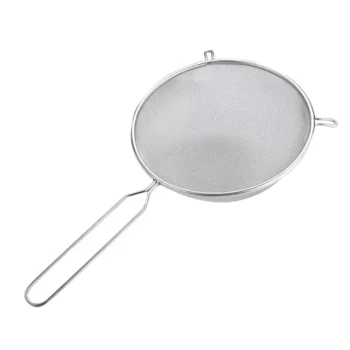
Metal Mesh Strainers
Stainless steel mesh strainers are the standard for durability and ease of use. They are rigid enough to hold the weight of the honey and typically come in varying grades of coarseness.
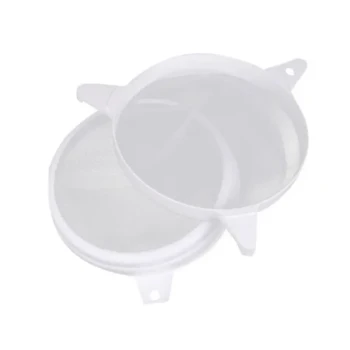
Fine Sieves
For a cleaner final product, fine sieves with a tight weave are recommended. These catch smaller particulate matter that a standard kitchen strainer might miss.
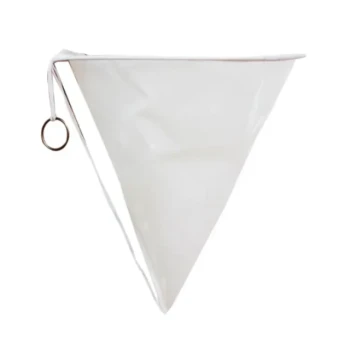
Cheesecloth
Cheesecloth is a flexible, low-cost option often used for manual processing. It can be layered to adjust the level of filtration, catching fine wax bits while allowing the viscous honey to flow through.
Application Methods
The Extractor Setup
If you are using a centrifugal honey extractor, efficiency is key. Place your chosen strainer directly under the extractor outlet.
As the honey spins out and drains, it passes immediately through the filter into your bottling bucket, combining extraction and filtration into a single step.
Manual Crushing and Straining
For hobbyists without an extractor, the process involves crushing the honeycomb by hand or tool.
The mashed comb is then placed directly onto the mesh filter or into a cheesecloth bag suspended over a container. Gravity pulls the honey down, leaving the wax structure behind.
Managing Waste and Efficiency
Handling the Leftover Wax Cake
Once the honey stops dripping, you are left with a "wax cake" of cappings and debris. Do not discard this immediately, as it often still contains usable resources.
Rinsing for Residual Honey
Significant amounts of honey may cling to the wax even after straining. To salvage this, you can rinse the cappings in cool water. This wash water can be used for mead making or feeding bees, though it is no longer pure honey.
Common Pitfalls and Trade-offs
The Volume Issue
Be aware that manual crushing usually leaves more honey trapped in the wax compared to pressing. While pressing yields more liquid honey upfront, it creates a denser wax cake that is harder to process later.
Heat vs. Raw Status
You can recover trapped honey by melting the wax cake in an oven or double boiler. However, heating the mixture separates the honey but technically changes it from "raw" to pasteurized or cooked, depending on the temperature reached.
Wax Processing Limits
Melting down the wax cake cleans the wax but may not yield significant honey if the comb was already pressed tight. If you choose to melt the wax to clean it, pour the wax-water mixture into a carton, let it set, and drain the water to reveal a clean wax block.
Making the Right Choice for Your Goal
To select the best approach for your harvest, consider what matters most to your operation:
- If your primary focus is maintaining raw quality: Use gravity straining through a fine metal sieve and avoid heating any part of the harvest.
- If your primary focus is maximum yield: Rinse your wax cappings with water after straining to ensure no sugar is wasted, even if the result is honey water rather than pure honey.
- If your primary focus is wax production: Melt down the strained wax cake in a double boiler to separate the final impurities and create a clean block of beeswax.
Effective straining strikes the perfect balance between a visually clean product and the preservation of honey's natural character.
Summary Table:
| Straining Method | Best For | Pros | Cons |
|---|---|---|---|
| Stainless Steel Mesh | Commercial/Standard use | Durable, easy to clean, professional finish | Higher initial cost |
| Fine Sieves | High-clarity honey | Removes smallest particles and fine wax | Slower flow rate |
| Cheesecloth | Hobbyists/Small batches | Low cost, adjustable filtration levels | Single-use or harder to sanitize |
| Gravity/Manual | Crushed comb processing | No expensive machinery required | Labor intensive, lower yield |
Elevate Your Honey Production with HONESTBEE
At HONESTBEE, we specialize in empowering commercial apiaries and distributors with the high-performance tools needed to scale production. Whether you are looking for advanced honey-filling machines, high-capacity extractors, or professional-grade mesh strainers, our comprehensive wholesale catalog has you covered.
We provide everything from specialized hive-making machinery to essential beekeeping consumables and honey-themed merchandise designed to grow your brand. Let us help you streamline your harvest and maximize your yield.
Contact our team today to discuss wholesale solutions
Related Products
- Stainless Steel Triangle Support Honey Strainer and Filters
- Nylon Honey Strainer Square Filter Cloth for Honey Filters
- Stainless Steel Double Layer Honey Strainer Sieve Filters
- Conical Nylon Honey Strainer Filter Bag for Beekeeping and Honey Filtration
- Professional Cone-Shaped Honey Filter with Reinforced Steel Ring
People Also Ask
- Why is stainless steel preferred for honey strainers? Ensure Purity and Durability for Your Honey
- What can I use to strain honey? A Beekeeper's Guide to Choosing the Right Filter
- What is the easiest way to strain honey? A Simple Guide for Hobbyist Beekeepers
- What is the primary function of a honey strainer in beekeeping? Achieve Commercial Purity & Visual Clarity
- Why is straining an essential step in honey processing? Master the Key to Pure, Market-Ready Honey Harvests