For small-scale and hobbyist beekeepers managing between 1 and 50 hives, the most practical methods for uncapping honey frames involve using hand-held cutting or piercing tools. The primary techniques include slicing the caps with a hot knife, a standard serrated kitchen knife, or lifting the wax with a beekeeping uncapping fork. Alternatively, a heat gun can be used to melt the cappings without physically touching the comb.
Core Insight: The "best" uncapping method is rarely a single tool; it is usually a combination. While a knife is the most efficient tool for removing the bulk of the cappings, it often misses low spots in the comb, requiring a secondary tool like a scratcher or fork to complete the job.
Knife-Based Methods: Speed and Efficiency
For most beekeepers, utilizing a knife is the standard approach for removing the thin layer of beeswax sealing the honey cells.
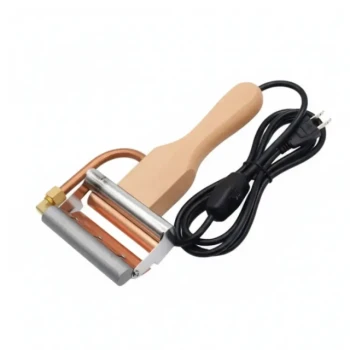
The Electric Hot Knife
An electric uncapping knife is often preferred for its ability to maintain a consistent temperature. The heat allows the blade to slice through wax cappings quickly and smoothly with minimal physical pressure.
The Cold Knife
A dedicated cold knife typically features a flexible, 10-inch blade and a wooden handle. While it is sharp enough to use at room temperature, many beekeepers dip the blade in hot water to mimic the ease of an electric knife.
The Serrated Kitchen Knife
For hobbyists on a strict budget, a simple serrated kitchen knife is a viable option. It functions similarly to a cold knife but may require more physical effort and a sawing motion to effectively cut through the wax.
Manual Precision Tools
When you need to minimize wax removal or reach areas a knife cannot, manual tools offer greater control.
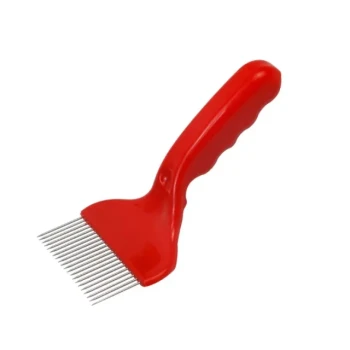
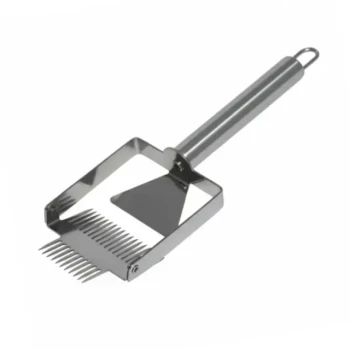
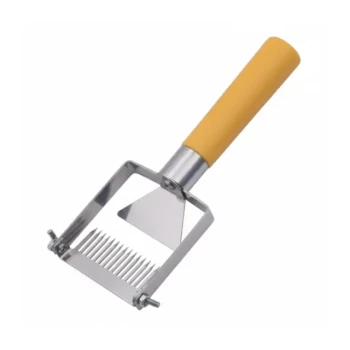
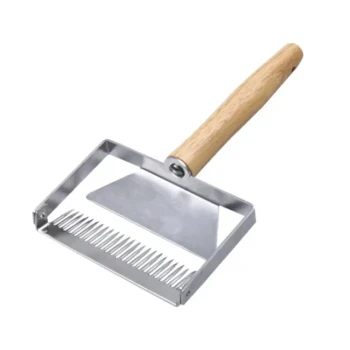
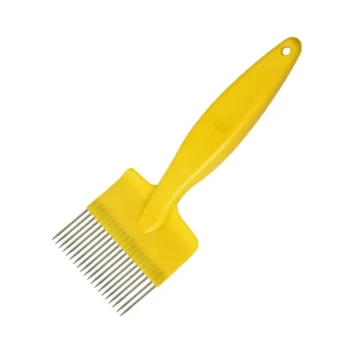
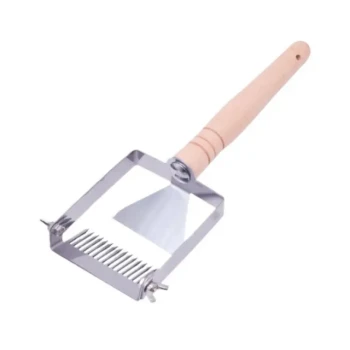
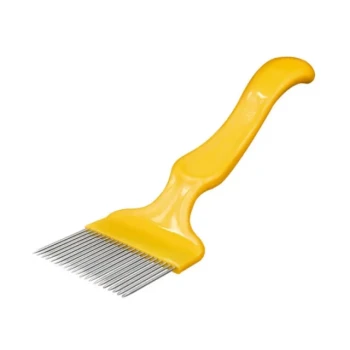
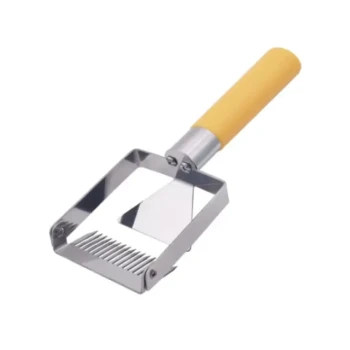
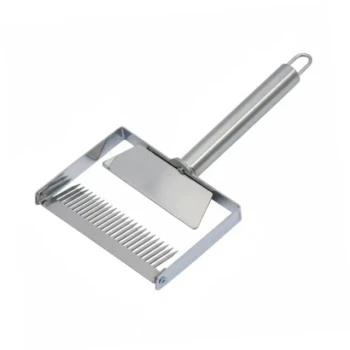
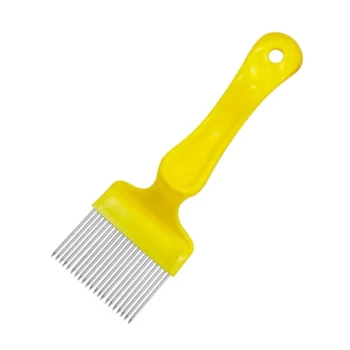
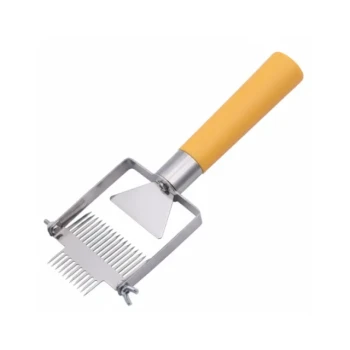
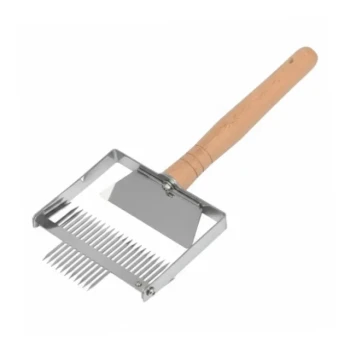
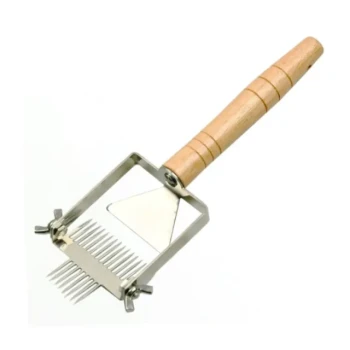
The Uncapping Fork
Resembling a hair pick with long, wiry teeth, the uncapping fork is a non-electric tool. You slide the teeth under the wax caps to lift or "pick" them off. It is excellent for uneven combs where a flat knife blade would miss the honey.
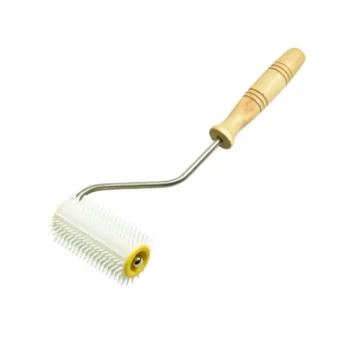
The Uncapping Roller
This tool is covered in small pins and is rolled over the frame in multiple directions. The uncapping roller pierces the wax cappings rather than removing them. This is considered a non-invasive method that preserves the maximum amount of comb structure.
Scratchers and Punches
An uncapping scratcher is essential for "cleaning up" after using a knife, opening cells that were located in the low spots of the frame. An uncapping punch can also be used for quick removal of specific capped areas.
The Heat Gun Technique
A less invasive method involves using a standard heat gun. By directing hot air over the frame, the thin wax cappings melt away, exposing the honey. This method involves no cutting and leaves the comb structure largely intact, though it requires careful handling to avoid overheating the honey or the frame.
Understanding the Trade-offs
Every uncapping method requires balancing speed, cost, and comb preservation.
Handling "Low Spots"
Knives are fast, but they only cut flat surfaces. Because bees often build comb unevenly, a knife will frequently miss the "valleys" (low spots) on a frame. You must be prepared to follow up with a scratcher or fork to uncap these missed cells.
Wax Harvest vs. Preservation
Cutting tools (knives) remove a significant amount of wax cappings, which can be harvested and melted down for other uses. Piercing tools (rollers) or heat guns leave the wax on the frame, which preserves the comb for the bees but results in less beeswax harvest for the beekeeper.
Safety and Workflow
Uncapping requires sharp and often hot tools. A clean, organized workspace is critical to prevent burns or cuts. organizing frames in batches helps maintain rhythm, reduces downtime, and facilitates quicker cleanup.
Making the Right Choice for Your Goal
To select the best method, align the tool with your specific objectives for the harvest.
- If your primary focus is speed and volume: Invest in an electric hot knife to process frames quickly, using a scratcher only for missed spots.
- If your primary focus is low cost: Start with a serrated kitchen knife or a cold knife heated with hot water.
- If your primary focus is comb preservation: Use an uncapping roller or heat gun to open cells without slicing away the wax structure.
Regardless of the tool you choose, the ultimate goal is a clean extraction that leaves your drawn comb ready for the bees to refill immediately.
Summary Table:
| Uncapping Method | Primary Tool | Best For... | Comb Preservation |
|---|---|---|---|
| Electric Slicing | Hot Knife | Speed & high volume | Low (removes wax) |
| Manual Slicing | Cold/Serrated Knife | Budget-conscious hobbyists | Low (removes wax) |
| Lifting/Picking | Uncapping Fork | Uneven combs & low spots | Moderate |
| Piercing | Uncapping Roller | Fast processing; no wax mess | High |
| Thermal | Heat Gun | Hands-free; minimal contact | High |
| Detailing | Scratcher/Punch | Finishing missed cells | Moderate |
Elevate Your Honey Harvest with HONESTBEE
Whether you are a commercial apiary or a growing distributor, HONESTBEE provides the professional-grade tools you need to maximize efficiency. We supply a comprehensive range of beekeeping equipment—from manual uncapping forks and knives to advanced honey-filling and hive-making machinery.
Why choose HONESTBEE?
- Full Spectrum Supply: Everything from hardware to essential consumables.
- Industry Expertise: Solutions tailored for high-volume production and wholesale.
- Quality & Innovation: Tools designed to preserve your comb and optimize your workflow.
Ready to scale your beekeeping business? Contact us today to explore our wholesale offerings and discover how we can streamline your production from hive to bottle!
Related Products
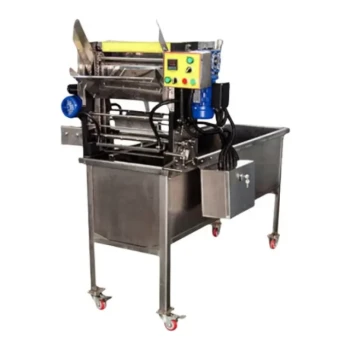
- Automatic Honey Frame Uncapper Machine for Beekeeping
- Lightweight Plastic Uncapping Roller with Tines
- Professional Wide Head Honey Uncapping Fork for Beekeeping
- All Stainless Steel Double Sided Pivoting Honey Uncapping Fork
- Adjustable Stainless Steel Honey Uncapping Fork with Plastic Handle for Beekeeping
People Also Ask
- What is the primary goal when choosing an uncapping method? Maximize Honey Yield & Comb Integrity
- What is the process of uncapping frames in beekeeping? Master the Best Methods for Maximum Honey Yield
- How are honey frames prepared before extraction? Master the Hive-to-Honey-House Process
- What is the process of uncapping honey frames before extraction? Expert Guide to Efficient Honey Harvesting
- What specialized tools are used to uncap honey frames prior to extraction? Top Uncapping Tools for Efficient Harvesting