For commercial apiaries, the recommended Varroa control program combines approved acaricide consumables, organic-acid treatments, precise application tools, and routine monitoring. Common options include amitraz-based products, fluvalinate where local efficacy and registration support their use, and organic acids such as formic and oxalic acid. The correct choice depends on mite resistance, brood conditions, temperature, honey-flow restrictions, residue requirements, and the product label approved in the operating region.
The most reliable approach is an integrated, rotation-based program: monitor mite levels, select a legally approved treatment, apply it at the labeled dose with suitable equipment, and rotate active ingredients to reduce resistance and protect colony and honey quality.
Why Varroa Control Requires a Structured Program
Varroa mites damage colonies directly and indirectly
Varroa destructor weakens bees by feeding on developing and adult bees and by transmitting viruses, including deformed wing virus. Heavy infestations can contribute to shortened worker lifespans, wing deformities, declining colony performance, and colony collapse.
Commercial apiaries need standardized execution
Treating hundreds or thousands of colonies requires repeatable dosing, clear application procedures, and dependable supply availability. Inconsistent placement, incorrect quantities, or missed colonies can leave enough mites behind to undermine the entire operation.
Control must support food-safety requirements
Commercial honey producers must consider treatment timing, withdrawal or honey-flow restrictions, and maximum residue requirements. Products should be sourced through compliant channels and used strictly according to their approved labels and local veterinary or agricultural regulations.
Recommended Varroa Control Consumables
Amitraz-based treatments
Ready-to-use amitraz strips are widely used in commercial operations because they are convenient to deploy across multiple hives. The strips are placed in the brood area or another label-specified position so that bees contact the active ingredient and distribute it through the colony.
Amitraz products should be used only for the approved treatment duration and under the environmental and colony conditions stated on the label. Repeated use without rotation can contribute to reduced efficacy where resistant mite populations are present.
Fluvalinate-based treatments
Fluvalinate strips or other approved formulations may be useful where local monitoring confirms that mites remain susceptible. Their practical advantage is the availability of standardized, ready-to-use consumables for large-scale hive treatment.
Fluvalinate should not be treated as a universally reliable solution. Resistance and residue concerns make local registration, efficacy testing, and rotation planning essential.
Formic acid products
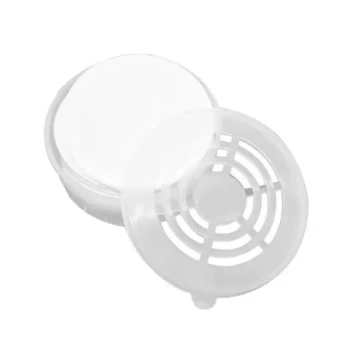
Formic acid is an organic-acid option that can act against mites in capped brood when used correctly. It is commonly supplied through pads, gels, wicks, sachets, or other controlled-release delivery systems.
Because formic acid is strongly affected by temperature, concentration, ventilation, colony strength, and applicator design, commercial users should prioritize registered formulations with validated instructions. Improvised high-concentration applications can injure bees, damage brood, or cause queen problems.
Oxalic acid products
Oxalic acid is commonly used in broodless or low-brood periods, including through approved dribble, spray, or vaporization methods. It is most effective when mites are exposed rather than protected beneath capped brood.
Application equipment should deliver a consistent dose to each colony. The treatment method, concentration, timing, and operator protections must follow the product label and applicable regulations.
Acetic acid requires careful qualification
Acetic acid is not interchangeable with the organic acids routinely used in approved Varroa programs. It may have niche uses in beekeeping sanitation or storage contexts, but it should not be presented as a standard Varroa treatment unless a product is specifically registered and labeled for that purpose.
Application Methods and Supporting Equipment
Impregnated strips
Strip treatments are suitable for high-volume operations because they reduce preparation time and provide a consistent delivery format. Distributors should pair strips with clear placement instructions, treatment records, and enough stock to complete the planned apiary cycle.
Controlled-release pads and substrates
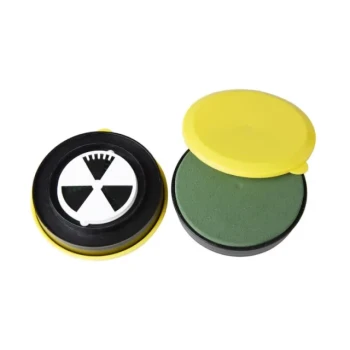
Absorbent pads, foam applicators, gels, and wicks can deliver formic acid over a defined period. Their performance depends on substrate size, absorption, hive placement, ventilation, temperature, and the formulation used.
Specific quantities and concentrations should come from the registered product label rather than a generalized field recipe. A method involving concentrated formic acid on an absorbent pad may be hazardous when conditions differ from those validated by the manufacturer.
Oxalic acid dribble or spray
Dribble and spray methods apply a measured oxalic acid solution directly to bees in the colony. They can be operationally efficient during broodless periods, but overdosing or repeated applications can increase bee stress and colony damage.
Oxalic acid vaporization
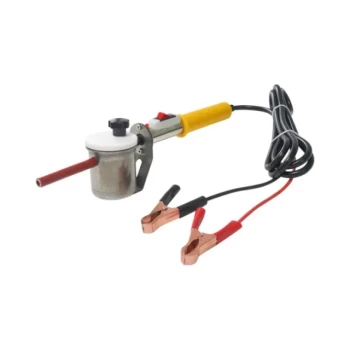
Approved vaporization equipment can distribute oxalic acid within the hive without opening every frame for liquid application. This method requires calibrated equipment, appropriate respiratory and eye protection, and strict compliance with local occupational-safety requirements.
Monitoring and dosing tools
Precision dosing syringes, calibrated applicators, treatment trays, vaporization devices, protective equipment, and hive-treatment records help reduce variation between colonies. These tools are particularly important for commercial operators managing large numbers of hives or multiple apiary locations.
Non-Chemical Integrated Measures
Screened bottom boards
Wire-screen bottom boards can support monitoring and may reduce the opportunity for fallen mites to return to the colony. They are a supporting measure, not a replacement for an effective treatment program.
Drone-brood trapping
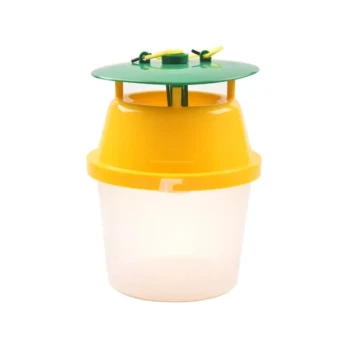
Varroa mites preferentially reproduce in drone brood. Specialized drone combs can therefore be used to concentrate mites in removable brood, which is periodically removed before mites emerge.
This method requires consistent timing and labor. It is most useful as part of integrated pest management rather than as a standalone response to a severe infestation.
Routine infestation monitoring
Monitoring before and after treatment helps determine whether a product worked and whether mites are returning from neighboring colonies or untreated units. Commercial programs can use standardized sampling methods and maintain records by apiary, yard, and treatment date.
Understanding the Trade-offs
Synthetic acaricides are convenient but resistance-prone
Amitraz and fluvalinate products are operationally efficient, but relying on one chemical class for repeated cycles can select for resistant mites. Coumaphos and other organophosphate products also require particular caution because resistance and residue risks can limit their usefulness.
Rotation should be based on different active ingredients and confirmed local efficacy, not merely on switching product brands with the same active ingredient.
Organic acids reduce reliance on synthetics but demand precision
Formic and oxalic acid treatments can fit resistance-management and residue-control goals, but they are less forgiving of incorrect conditions. Temperature, brood presence, colony strength, concentration, exposure time, and ventilation can materially change treatment outcomes.
Treatment timing affects both efficacy and product quality
Some treatments are best suited to broodless periods, while others have specific restrictions during honey production. Applying a treatment at the wrong time can reduce mite control, harm bees, or create unacceptable residues in marketable products.
Over-treatment can harm the colony
More treatment is not automatically better. Excessive dosing, shortened intervals, repeated exposure, or combining products without authorization can increase chemical stress and damage brood, queens, or adult bees.
Improvised recipes create compliance and safety risks
Unvalidated concentrations and homemade delivery systems make results difficult to reproduce. They can also create worker-exposure hazards and complicate residue compliance, insurance, traceability, and customer audits.
Making the Right Choice for Your Goal
The strongest commercial program matches consumables and application equipment to the apiary’s biology, regulations, labor capacity, and supply requirements.
- If your primary focus is operational efficiency: Use registered ready-to-use strips or controlled-release products supported by standardized placement procedures, calibrated tools, and sufficient inventory for the complete treatment cycle.
- If your primary focus is resistance management: Rotate products containing different active ingredients and include approved organic-acid options when colony and weather conditions permit.
- If your primary focus is honey quality and residue control: Observe label restrictions, treatment windows, and local residue requirements, and maintain complete treatment and harvest records.
- If your primary focus is sustainable integrated pest management: Combine monitoring, screened bottom boards, drone-brood removal, and targeted chemical treatments rather than depending on a single consumable.
- If your primary focus is dependable commercial sourcing: Choose suppliers able to provide compliant products, precision applicators, protective equipment, technical documentation, rapid fulfillment, and consistent batch traceability.
A disciplined, monitored, and rotation-based program gives commercial apiaries the best basis for controlling Varroa mites while protecting colony health, worker safety, and honey-market compliance.
Summary Table:
| Consumable | Application Method | Best Used When | Key Considerations |
|---|---|---|---|
| Amitraz strips | Place strips in brood area | Any season with brood | Convenient, but rotate to avoid resistance |
| Fluvalinate strips | Place strips per label | When mites susceptible | Check local efficacy and resistance |
| Formic acid pads/gels | Controlled-release applicators | Warm weather, brood present | Temperature-sensitive; follow label exactly |
| Oxalic acid (dribble/vapor) | Dribble spray or vaporizer | Broodless or low-brood periods | Precision essential to avoid bee injury |
Protect your apiary and maximize honey quality with HONESTBEE's full-spectrum Varroa control supplies, including approved amitraz strips, organic acid formulations, precision applicators, and PPE. Benefit from rapid response times, dedicated support, and ultra-fast delivery to keep your operations running. OEM/ODM options and certifications available for distributors. Contact us today to place your order and secure reliable supply.
Related Products
- Durable 12V Oxalic Acid Vaporizer for Varroa Mite Treatment Beehive Beekeeping Tool
- Oxalic Acid Vaporizer 12V for Bee Varroa Mite Treatment
- Heavy Duty 12V Oxalic Acid Evaporator Vaporizer for Bee Varroa Mite Treatment Beekeeping Fumigator Atomizer
- Compact Circular Bee Mite Treatment Dispenser
- Adjustable Formic and Acetic Acid Dispenser for Bee Mite Treatment
People Also Ask
- What are the technical advantages of using professional Sublimators? Maximize Mite Control with Precision Vaporizers
- What is the minimum temperature for oxalic acid vaporization? Optimize Winter Mite Control at 37°F
- What is the recommended procedure for inserting and activating a vaporizer in a beehive? Master Hive Treatment Success
- What factors determine how often to treat for varroa mites with oxalic acid? Time Your Treatment for Maximum Efficacy
- What is the overall goal of using oxalic acid in late fall for beekeepers? Maximize Winter Survival with a Broodless Treatment