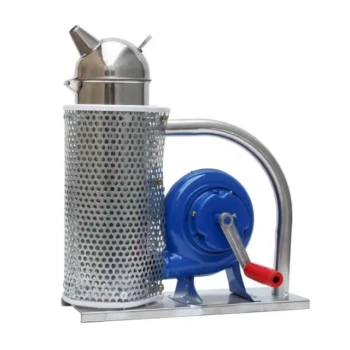
The minimum ambient air temperature required for effective oxalic acid vaporization is 37°F.
For the treatment to be successful, the outside air temperature generally needs to remain at or above this threshold for at least two hours following the application. This specific temperature window allows you to manage Varroa mites during colder months without compromising the efficacy of the vapor.
The ability to vaporize at temperatures as low as 37°F is critical because it enables treatment during winter or early spring. This is when colonies are broodless and most vulnerable to intervention, maximizing the impact on the mite population.
The Mechanics of Cold Weather Treatment
Why Temperature Matters
The effectiveness of oxalic acid vaporization relies on the vapor circulating through the hive.
While the primary reference establishes 37°F as the baseline, maintaining this temperature for a couple of hours ensures the vapor interacts properly with the colony.
Timing the Application
Because this method works in lower temperatures, it is ideally suited for broodless periods.
This typically occurs in late fall, winter, or very early spring. Treating during these windows prevents mites from hiding inside capped brood cells, where the vapor cannot reach them.
Critical Hive Preparation
Sealing the Environment
To maintain efficacy at these lower temperatures, you must prevent the vapor from escaping too quickly.
Before applying heat, block the hive entrance with a cloth or towel.
Managing Bottom Boards
If you utilize a screened bottom board, it is essential to cover it using a varroa mite board.
For hives with solid bottom boards, simply closing the entrance is sufficient to contain the vapor.
Execution and Safety Protocols
The Vaporization Process
Once the hive is prepped, place the measured crystals on a cold vaporizer wand and insert it into the entrance.
Power the device for the recommended time, typically 2.5 to 3 minutes.
Post-Application Containment
After the heating cycle is complete, do not open the hive immediately.
Wait a few minutes for the wand to cool before removing it, then keep the hive sealed for an additional 8 to 10 minutes. This dwell time ensures full exposure.
Understanding the Trade-offs
The Risk of Overheating
While the ambient air can be cold, the vaporizer itself must be precisely controlled.
Oxalic acid vaporizes at 315°F, but if the device reaches 372°F, the substance decomposes into formic acid and carbon monoxide. This renders the treatment ineffective and poses a safety risk.
Honey Super Contamination
Vaporization is a powerful tool, but it cannot be used year-round.
You must never apply oxalic acid while honey supers are present on the hive. This prevents chemical contamination of the honey intended for consumption.
Making the Right Choice for Your Goal
To ensure you are using this treatment effectively, assess your current hive conditions against the following criteria:
- If your primary focus is winter mite control: Ensure the forecast predicts temperatures of at least 37°F for two hours and verify the colony is largely broodless.
- If your primary focus is safety and chemical efficacy: Monitor your vaporizer to ensure it stays near the 315°F vaporization point without exceeding the 372°F decomposition threshold.
Successful winter treatment relies on hitting that 37°F minimum to maximize mite kill rates while the colony is naturally vulnerable.
Summary Table:
| Factor | Requirement/Limit | Importance |
|---|---|---|
| Min. Ambient Temp | 37°F (3°C) | Ensures proper vapor circulation and hive stability. |
| Post-Treatment Window | 2 Hours | Sustained temperature required for maximum efficacy. |
| Ideal Treatment Period | Broodless Window | Mites are exposed and not protected by capped brood. |
| Vaporization Temp | 315°F | The optimal point for acid to turn into effective vapor. |
| Decomposition Point | 372°F | Avoid; acid turns into ineffective carbon monoxide. |
| Containment Time | 8-10 Minutes | Ensures colony is fully exposed to the vapor. |
Maximize Your Colony Health with HONESTBEE
Precision is key when managing commercial apiaries, especially during critical winter treatments. HONESTBEE provides the professional-grade tools you need to succeed. Whether you are a large-scale distributor or a commercial beekeeper, we offer a comprehensive portfolio of high-performance equipment, including:
- Precision Vaporizers & Beekeeping Tools: Designed for safety and efficacy.
- Industrial Machinery: Advanced hive-making and honey-filling solutions.
- Essential Consumables: A full spectrum of supplies for your operation.
Don't let Varroa mites compromise your productivity. Partner with HONESTBEE for reliable wholesale solutions tailored to your business needs.
Contact Us Today to Upgrade Your Apiary Operations
Related Products
- Durable 12V Oxalic Acid Vaporizer for Varroa Mite Treatment Beehive Beekeeping Tool
- Heavy Duty 12V Oxalic Acid Evaporator Vaporizer for Bee Varroa Mite Treatment Beekeeping Fumigator Atomizer
- 12V Bee Mite Removal Evaporator Oxalic Acid Vaporizer for Bee Fumigation Treatment 180W Atomization
- Oxalic Acid Vaporizer 12V for Bee Varroa Mite Treatment
- Adjustable Formic and Acetic Acid Dispenser for Bee Mite Treatment
People Also Ask
- What are the technical advantages of using professional Sublimators? Maximize Mite Control with Precision Vaporizers
- What is the recommended procedure for inserting and activating a vaporizer in a beehive? Master Hive Treatment Success
- What factors determine how often to treat for varroa mites with oxalic acid? Time Your Treatment for Maximum Efficacy
- What is the overall goal of using oxalic acid in late fall for beekeepers? Maximize Winter Survival with a Broodless Treatment
- What is the function of an oxalic acid vaporizer? Essential Mite Control for Late Winter Breeding Success