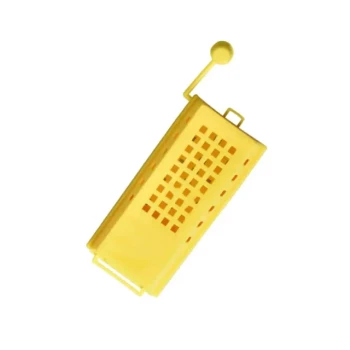
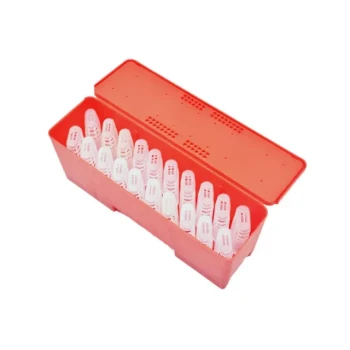
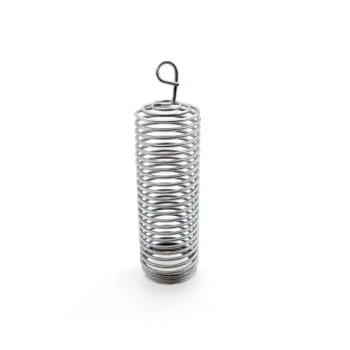
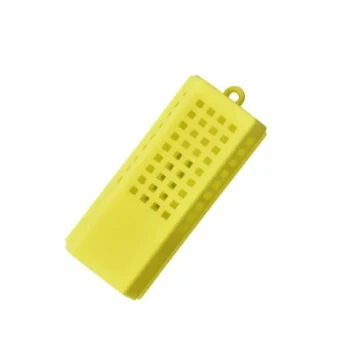
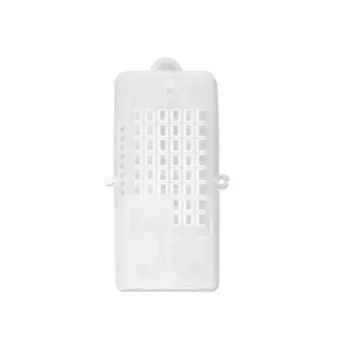
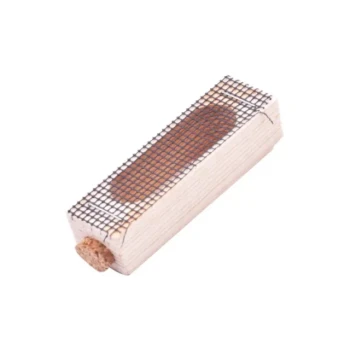
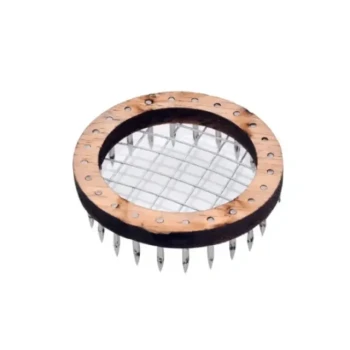
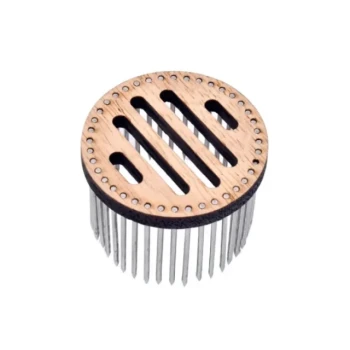
Independent attendant bee partition compartments function as a critical safety barrier within shipping cages by utilizing physical zoning. These micro-chambers separate the queen from her attendants to significantly reduce direct contact pressure and the risk of conflict during transit. This design effectively prevents crushing injuries and stress-induced aggression, ensuring the queen arrives without physical damage.
Core Takeaway: By utilizing physical zoning to manage the proximity between the queen and her attendants, these compartments eliminate crushing risks and aggressive behaviors, directly leading to higher acceptance rates when the queen is introduced to a new colony.
The Mechanics of Protective Zoning
Physical Zoning and Micro-Chambers
The primary function of these compartments is to create a specific "micro-chamber" structure within the shipping cage. This design implements physical zoning to control the environment immediately surrounding the queen.
Reducing Contact Pressure
During transport, vibrations and movement can cause bees to cluster or shift unpredictably. The partition prevents the attendant bees from crowding the queen too closely. This reduction in direct contact pressure is essential for preventing accidental crushing injuries.
Preventing Aggressive Behaviors
High-stress environments, such as shipping, can trigger uncharacteristic aggression in worker bees. The partition acts as a safeguard against potential conflict. It isolates the queen from direct attacks while she remains in the company of her attendants.
The Role of Attendant Bees
Essential Biological Support
While the partition separates the bees physically, the presence of attendants remains vital. As noted in standard transport protocols, attendants are responsible for feeding, cleaning, and regulating the thermal environment for the queen.
Minimizing Physiological Stress
The goal of the shipping cage is to maintain the queen's optimal physiological activity. Attendants help minimize transport-related stress, which is critical if the queen is destined for procedures like spermatheca dissection or colony introduction.
Understanding the Trade-offs
The Risk of Direct Contact
Without independent partitions, the queen is vulnerable to the collective stress of the attendants. In standard confinement, the biological need for attendants to care for the queen conflicts with the physical risk of them injuring her during transit turbulence.
Balancing Isolation and Access
The partition represents a compromise between total isolation and open interaction. It must provide enough separation to prevent "balling" or crushing, yet potentially allow for the transfer of pheromones or food, depending on the specific cage design.
Making the Right Choice for Your Goal
When selecting shipping methods for queen bees, consider the specific outcome you require:
- If your primary focus is Physical Integrity: Prioritize cages with independent partition compartments to eliminate the risk of crushing injuries during rough transport.
- If your primary focus is Colony Acceptance: Utilize partitioned cages to reduce aggressive interactions, ensuring the queen arrives less stressed and is more readily accepted by the new hive.
Effective queen transport is not just about containment; it is about engineering an environment that balances care with physical protection.
Summary Table:
| Feature | Role of Partition Compartments | Benefit for Queen Bee |
|---|---|---|
| Physical Zoning | Creates micro-chambers to isolate the queen | Prevents crushing injuries from movement |
| Pressure Control | Reduces direct contact pressure from attendants | Minimizes physical trauma and stress |
| Behavior Management | Acts as a barrier against stress-induced aggression | Eliminates the risk of worker bee attacks |
| Stress Reduction | Balances isolation with necessary biological support | Increases acceptance rates in new colonies |
Secure Your Queen's Safety with HONESTBEE
Transporting high-value queen bees requires more than just a cage; it requires precision engineering to protect your investment. HONESTBEE specializes in providing commercial apiaries and distributors with professional-grade beekeeping tools and machinery.
Our extensive portfolio includes advanced queen shipping solutions, hive-making machines, and honey-filling equipment designed to optimize your operations. Whether you are scaling a commercial apiary or supplying the industry, we deliver the hardware and consumables you need to succeed.
Ready to upgrade your beekeeping equipment? Contact us today to explore our wholesale offerings and discover how our expertise can enhance your production efficiency.
References
- Oleksandr Olshanskyi. IMPROVING THE PROFITABILITY OF U.S. APIARIES THROUGH THE USE OF OPTIMIZED QUEEN BEE TRANSPORTATION CAGES. DOI: 10.52058/2786-5274-2025-6(46)-559-570
This article is also based on technical information from HonestBee Knowledge Base .
Related Products
- Professional Queen Bee Introduction and Transport Cage
- Professional Queen Cage with Sliding Gate and Feeder Plug
- JZBZ Style Professional Battery Box with 20 Shipping Cages
- Durable Galvanized Steel Spring Queen Bee Cage
- Professional Multi-Compartment Queen Cage with Sliding Lid
People Also Ask
- Why are specialized queen bee cages used for the banking of mated queen bees? Maximize Commercial Apiary Storage Efficiency
- What is the mechanism of action for using temporary queen bee cages? Master Successful Queen Introduction
- How is a queen bee released from a queen cage? Ensure Safe Colony Integration & Hive Success
- What materials are required to install a queen bee's cage into a hive? Essential Tools for Successful Queen Integration
- How long should a queen bee stay in the cage before being released? Ensure a Successful Introduction