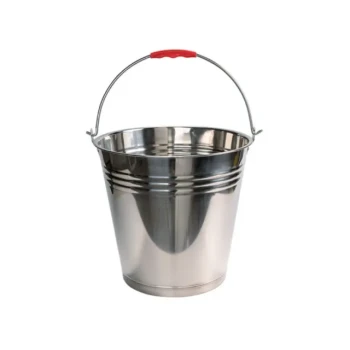
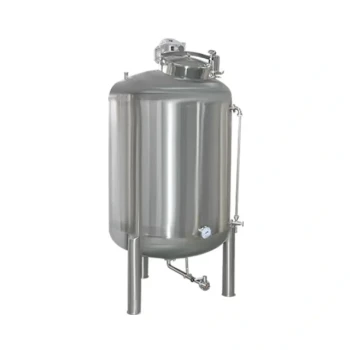
Collection containers serve as the fundamental interface between the raw biological material of the hive and the refined honey product. During the harvesting phase, wide-mouth containers are utilized to receive whole honey pots removed from the stingless bee hive, acting as the primary vessel for the immediate physical separation of honey from beeswax and organic debris through manual or mechanical compression.
The collection container is not merely a passive holding vessel; it is an active component of the initial processing workflow. Its design facilitates the extraction of liquid honey from solid wax structures, directly influencing the purity, yield measurement, and quality of the final product.
The Role in Extraction and Separation
Facilitating the Harvest
The primary function of the collection container during extraction is to accommodate the bulk transfer of raw materials. Wide-mouth designs are essential to efficiently receive the intact honey pots extracted from the hive. This design allows harvesters to deposit the raw honeycomb structures quickly without damaging them or causing spillage before the processing phase begins.
Enabling Physical Separation
Once the honey pots are harvested, the collection container becomes the site of initial processing. It serves as the basin for compression, where the honey pots are manually or mechanically crushed. This action physically forces the liquid honey out of the wax pots, separating it from solid impurities such as bark debris and other organic matter found within the hive structure.
Ensuring High Purity
By containing the compression process, these containers allow for the systematic removal of beeswax and debris. This initial separation is the first critical step in ensuring the final honey product achieves high purity and quality, preventing large contaminants from moving downstream to finer filtration stages.
Enhancing Process Control
Supporting Yield Monitoring
In advanced processing setups, industrial-grade collection containers are often equipped with clear graduation marks. This feature allows producers to precisely monitor the volume of honey extracted from each colony immediately after the initial separation. Accurate yield monitoring is vital for maintaining production records and ensuring quality traceability throughout the batch.
Integration with Filtration Systems
While the container holds the bulk material, it often works in tandem with gravity filtration systems. High-strength stainless steel mesh may be utilized in conjunction with the container to further refine the honey. The container captures the flow-through, ensuring that wax fragments and pollen packs are removed without subjecting the honey to heat that could damage sensitive enzymes.
Understanding the Trade-offs
Material Quality vs. Contamination Risk
Not all containers are suitable for this phase. Because stingless bee honey has high moisture content and is prone to fermentation, the material of the collection container is critical. Using porous or non-food-grade containers during compression can introduce bacteria or fail to block external moisture, accelerating spoilage before the honey even reaches the bottling stage.
Manual vs. Mechanical Constraints
While wide-mouth containers facilitate manual compression, they must be robust enough to withstand mechanical pressure if machines are used. A container that is too fragile for the compression method chosen can lead to structural failure, resulting in product loss and safety hazards during the separation process.
Making the Right Choice for Your Goal
Selecting the correct collection container depends on your specific processing scale and quality objectives.
- If your primary focus is maximizing purity during extraction: Prioritize wide-mouth containers that allow for unobstructed manual or mechanical compression to effectively separate wax and organic debris.
- If your primary focus is process efficiency and data tracking: Utilize industrial-grade containers with clear graduation marks to facilitate immediate yield monitoring and traceability during the filtration stage.
The right collection container transforms extraction from a messy harvest into a controlled, sanitary industrial process.
Summary Table:
| Feature | Role in Extraction & Processing | Impact on Quality |
|---|---|---|
| Wide-Mouth Design | Facilitates bulk transfer of honey pots and easy compression. | Reduces spillage and handling contamination. |
| Compression Basin | Site for physical separation of liquid honey from wax and debris. | Ensures high initial purity before fine filtration. |
| Graduation Marks | Allows for immediate volume measurement and data tracking. | Enables precise yield monitoring and batch traceability. |
| Material Integrity | Non-porous, food-grade surfaces prevent bacterial growth. | Protects honey from fermentation and moisture absorption. |
| System Integration | Works with gravity filtration and stainless steel mesh. | Removes fine particles without damaging sensitive enzymes. |
Elevate Your Apiary’s Efficiency with HONESTBEE
Transitioning from a manual harvest to a professional industrial process requires the right equipment. HONESTBEE provides commercial apiaries and distributors with the high-performance tools needed to ensure purity and maximize yield. From specialized honey-filling machines and robust collection containers to industrial-grade hive-making machinery, we supply the full spectrum of equipment and consumables essential for success in the stingless bee industry.
Ready to scale your production? Contact us today to discover how our wholesale solutions and honey-themed cultural merchandise can add value to your business.
References
- Francisca Contreras-Escareño, José Octavio Macías-Macías. Traditional Knowledge and Potential Use of Stingless Bees (Hymenoptera: Meliponinae) in the Manantlan Sierra, Jalisco, Mexico. DOI: 10.13102/sociobiology.v66i1.3396
This article is also based on technical information from HonestBee Knowledge Base .
Related Products
- Stainless Steel Honey Storage Tank with Lid for Honey
- Squeezable No-Drip Beehive-Shaped Honey Jars with Flip-Top Cap
- Stainless Steel Honey Storage and Settling Tank with Double Strainer
- Premium Stainless Steel Honey Tank Bucket Pail with Reinforced Handle and Polished Finish
- Classic Beehive Honey Bottle Jar with Squeeze Dispenser Lid
People Also Ask
- What economic role do honey storage tanks play? Boost Your Revenue Through Strategic Inventory Management
- What roles do industrial honey storage tanks and filtration meshes play in processing? Ensure Purity & Consistency
- What is the purpose of a honey storage tank? Streamline Your Honey Processing for Quality & Efficiency
- What are honey storage tanks used for? Essential Features for Quality Preservation and Profit
- How do large honey storage tanks and gravity fall filling systems improve honey packaging efficiency and safety?