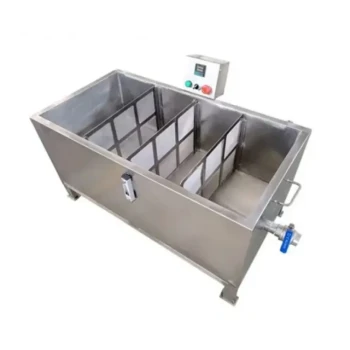
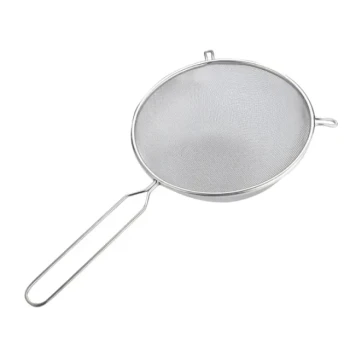
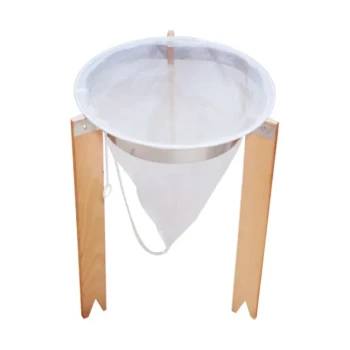
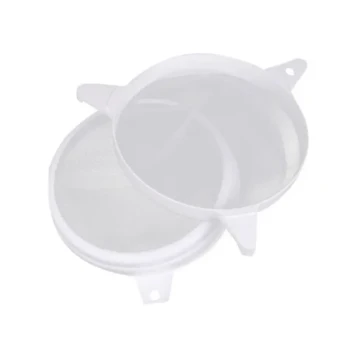
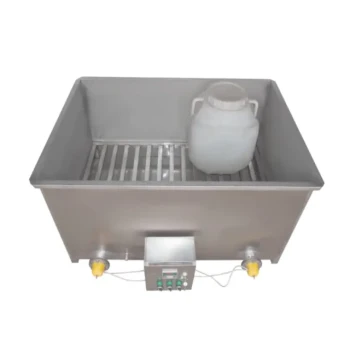
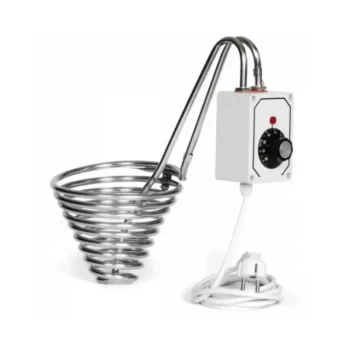
Industrial filtration and low-temperature concentration equipment are the critical safeguards of honey’s sensory profile, ensuring that processed honey retains its original taste, aroma, and color. These systems employ high-precision mechanical separation and vacuum-assisted evaporation to remove debris and excess moisture while keeping temperatures low enough to protect heat-sensitive enzymes and volatile compounds. By integrating these technologies, producers deliver a stable, transparent, and premium product that meets strict international standards for high-end consumer markets.
Core Takeaway: To maintain the organoleptic integrity of honey, industrial equipment must balance the removal of physical impurities and moisture with the preservation of natural biological markers. Using low-temperature methods is the only way to ensure market-leading quality without compromising the honey's "raw" characteristics.
The Precision of Industrial Filtration Systems
Eliminating Physical Impurities Without Quality Loss
Multi-stage precision filtration is designed to remove beeswax residues, organic particles, and bee remains that can cloud the product. These systems use fine-pore meshes to extract mechanical impurities while preserving the honey's natural minerals and antioxidant activity.
Enhancing Visual Transparency and Texture
Industrial-grade filters are essential for removing microscopic air bubbles and suspended particles that lead to uneven texture. This refining process ensures high transparency and a smooth consistency, preventing the "gritty" mouthfeel often associated with unrefined raw materials.
Preventing Unintended Crystallization
Precisely controlled filtration manages the physical state of the honey by removing the "seeds" of crystallization, such as pollen or wax bits. By stabilizing the liquid state, the equipment ensures the honey remains clear and pourable during long-term storage and retail display.
The Science of Low-Temperature Concentration
Moisture Control and Fermentation Prevention
Honey with high water content is prone to fermentation and spoilage, which destroys its flavor profile. Low-temperature concentration equipment uses vacuum technology to evaporate excess moisture at temperatures that do not trigger chemical degradation or "burnt" off-flavors.
Protecting Thermally Sensitive Bioactive Compounds
Traditional high-heat evaporation destroys diastase and other natural enzymes that define high-quality honey. Specialized low-temperature systems operate within strict temperature profiles to ensure these bio-active ingredients and delicate aromatic substances remain intact.
Maintaining the Natural Flavor and Aroma Profile
The "bouquet" of honey is highly volatile and easily lost to heat; low-temperature processing captures these aromatic compounds. This allows the final product to retain the specific floral notes that distributors and high-end consumers demand.
Understanding the Trade-offs
Filtration Intensity vs. Pollen Retention
While high-precision filtration creates a beautifully clear product, over-filtering can remove natural pollens which some markets use for geographic origin verification. Distributors must balance the need for clarity with the market's demand for "natural" or "unfiltered" labeling.
Concentration Speed vs. Enzyme Integrity
Faster concentration processes often require higher heat, which risks raising Hydroxymethylfurfural (HMF) levels, an indicator of heat damage. Utilizing superior low-temperature equipment requires a larger initial investment in technology but is necessary to stay below the strict HMF limits set by international food safety standards.
Cost of Technology vs. Product Market Value
Industrial-grade, temperature-controlled systems represent a higher CAPEX compared to basic heating vats. However, the resulting honey commands a premium price due to its superior sensory quality, longer shelf life, and compliance with PN-88/A-77626 and other global purity standards.
Making the Right Choice for Your Goal
When sourcing honey processing equipment or choosing a supply partner, your technical requirements should align with your specific market positioning.
- If your primary focus is High-End Retail Transparency: Prioritize multi-stage, fine-pore filtration systems that eliminate all visible debris and micro-bubbles for maximum clarity.
- If your primary focus is Medicinal or Health-Grade Honey: Invest in ultra-low-temperature vacuum concentration units to ensure the highest possible retention of natural enzymes and antioxidant activity.
- If your primary focus is Long-Distance Export and Logistics: Focus on equipment that guarantees low moisture levels and high-precision filtration to prevent fermentation and crystallization during transit.
Equipping your supply chain with the right filtration and concentration technology is the most effective way to turn raw agricultural yield into a high-value, shelf-stable, and sensory-superior honey product.
Summary Table:
| Process Type | Key Function | Impact on Organoleptic Properties | Commercial Benefit |
|---|---|---|---|
| Precision Filtration | Removes wax, debris & air bubbles | Ensures visual clarity and smooth texture | Prevents crystallization; high-end shelf appeal |
| Vacuum Concentration | Low-heat moisture reduction | Protects enzymes (diastase) and floral aromas | Prevents fermentation; maintains 'raw' quality |
| Thermal Management | Controls HMF levels | Prevents 'burnt' flavors and color darkening | Compliance with international purity standards |
Scale Your Honey Business with HONESTBEE
Maximize your profit margins and ensure supply reliability with HONESTBEE, your premier partner for one-stop beekeeping sourcing. We cater specifically to commercial apiaries, distributors, and B2B resellers, providing a full-spectrum portfolio ranging from high-precision honey-filling and hive-making machines to essential industry consumables and cultural merchandise.
Why choose HONESTBEE?
- Deep Industry Expertise: Specialized equipment designed to maintain enzyme integrity and honey quality.
- Efficiency & Speed: Ultra-fast delivery and rapid response times to keep your operations running.
- Premium Trading Services: Dedicated support for OEM/ODM and international certification needs.
Ready to upgrade your processing capabilities or expand your wholesale inventory? Contact our expert team today!
References
- Makpal Oryntayeva, Aruzhan Zhiengali. MARKETING RESEARCH OF HONEY CONSUMER PREFERENCES IN THE MARKETS OF KOSTANAY REGION. DOI: 10.37884/1-2024/01
This article is also based on technical information from HonestBee Knowledge Base .
Related Products
- Honey Concentrating and Filtering Dehumidifier Machine 2T Capacity for Honey
- Electric Double Wall Honey Filtering Machine Purifier Equipment for Honey Processing Plant
- Honey Concentrating Vacuum Heating Thickening Machine Dehumidifier for Honey
- 0.5T Capacity Honey Dehumidifier Dryer with Vacuum Heating and Thickening Filtering Machine
- Professional Stainless Steel Honey Filtering Machine with Water Bath Heating for Beekeeping
People Also Ask
- What heating methods can be used with the honey concentrating equipment? Electric vs. Boiler Options
- How does honey filtration and processing machinery transform raw honey? Scale Your Production for Global Markets
- What electrical safety precaution is necessary when operating the honey concentrating equipment? Essential Grounding Tips
- What are the main functions of the honey concentrating equipment? Essential Machinery for Commercial Quality
- What maintenance should be performed when the honey concentrating equipment is not in use? Key Safety & Care Tips