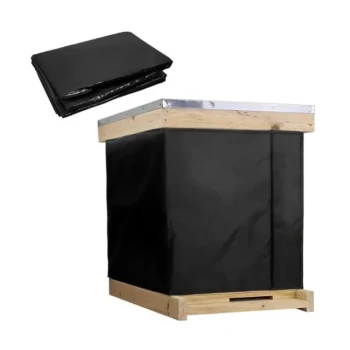
Metal and plastic coverings act as the primary physical defense system for the beehive. These barriers serve a dual purpose: they shield the colony from external threats such as heavy rainfall and predatory wildlife, and they function as a biosecurity measure to physically block pathogen transmission routes.
By establishing a robust physical boundary, these industrial-grade materials provide a critical layer of security that maintains hive integrity against environmental extremes while compensating for the absence of advanced veterinary interventions.
The Core Protective Functions
Shielding Against Environmental Stress
The most immediate role of metal or plastic coverings is weatherproofing.
These materials are impervious to water, making them essential for protecting the hive interior during heavy rainfall. By keeping the internal environment dry, they prevent the structural degradation of the hive and the chilling of the brood.
Predator Deterrence
Beyond weather, these coverings serve as hardened armor against physical intrusion.
Predators that might easily bypass or destroy softer materials are stopped by industrial-grade metal or rigid plastic. This ensures the physical safety of the colony and prevents the theft of honey or brood by local wildlife.
Disease Prevention
In environments where advanced veterinary solutions are scarce, physical barriers become a biosecurity necessity.
These coverings block common entry points for pests and vectors that carry disease. By severing the physical routes of transmission, they offer a foundational level of pathogen control that preserves the health of the colony.
Internal Barriers for Monitoring Systems
Protecting Sensitive Electronics
When hives are equipped with monitoring technology, metal grids function as specialized internal coverings.
These grids are installed between the living colony and the monitoring chamber. They physically isolate delicate electronic sensors, preventing bees from coating them in propolis or damaging them through defensive behaviors.
Ensuring Signal Integrity
While blocking physical access, these internal metal barriers are designed to allow acoustic diffusion.
They permit sound waves to pass through to the sensors while filtering out the "noise" of direct bee contact. This ensures that data regarding colony activity is accurate and not distorted by the bees' physical interaction with the equipment.
Understanding the Trade-offs
Physical Barriers vs. Medical Treatment
It is crucial to understand that while coverings block pathogen pathways, they are a passive preventive measure, not a cure.
They serve as a "basic level" of disease prevention. They cannot replace active veterinary treatment if a disease is already established within the hive or is transmitted via bee-to-bee contact outside the hive.
Material Durability
While described as "industrial-grade," the choice between metal and plastic involves distinct considerations.
Metal offers superior durability against predators but can conduct heat or cold, potentially affecting internal regulation. Plastic provides excellent waterproofing but may lack the long-term structural rigidity of metal under intense physical stress.
Making the Right Choice for Your Goal
To maximize the effectiveness of your hive management strategy, align your material choice with your specific operational needs:
- If your primary focus is Environmental Protection: Prioritize robust metal or high-grade plastic outer covers to ensure complete waterproofing during heavy seasonal rains.
- If your primary focus is Biosecurity: Utilize tight-fitting coverings to seal off physical gaps, serving as your first line of defense against external pathogen vectors.
- If your primary focus is Tech Integration: Install internal metal grids to safeguard acoustic sensors without dampening the sound data required for colony monitoring.
Effective hive management relies on using these physical barriers not just as lids, but as integrated components of a broader colony defense strategy.
Summary Table:
| Feature | Metal Coverings | Plastic Coverings | Internal Grids (Metal) |
|---|---|---|---|
| Primary Function | Heavy-duty physical defense | Waterproofing & insulation | Tech/Sensor protection |
| Durability | High (predator resistant) | Medium (weather resistant) | Precision-engineered |
| Biosecurity | Blocks pathogen vectors | Seals physical gaps | Prevents propolis buildup |
| Thermal Properties | High conductivity | Low conductivity | Minimal interference |
| Best Use Case | Extreme predator threats | Rainy/Variable climates | Smart hive monitoring |
Elevate Your Apiary with Industrial-Grade Protection
As a professional beekeeper or distributor, you know that hive integrity is the foundation of a productive colony. HONESTBEE specializes in catering to commercial apiaries and wholesale distributors by providing a comprehensive range of beekeeping tools, machinery, and essential consumables.
From high-durability protective hardware to advanced hive-making and honey-filling machinery, our portfolio is designed to streamline your operations and safeguard your investment. Whether you need robust physical barriers for hive management or specialized equipment to scale your business, we deliver the quality and reliability the industry demands.
Ready to upgrade your equipment or stock your inventory? Contact HONESTBEE today to explore our wholesale solutions and see how our expertise can drive your success.
References
- Abadi Kidanemariam Berhe, Delenasaw Yewhalaw. Community Perception on Beekeeping Practices, Management, and Constraints in Termaber and Basona Werena Districts, Central Ethiopia. DOI: 10.1155/2016/4106043
This article is also based on technical information from HonestBee Knowledge Base .
Related Products
- Inner Beehive Cover for Beekeeping Bee Hive Inner Cover
- Telescopic Beehive Outer Cover Lid Roof with Galvanised Sheeting for Langstroth Hive and Beehive Outer Cover
- Professional Insulated Winter Hive Wrap for Beekeeping
- Wooden Bee Hive Frames for Beekeeping and Wholesale
- Metal Hive Feet Bee Hive Stand for Ant Protection
People Also Ask
- What is the purpose of the inner cover in a beehive? A Key to Hive Health & Easy Management
- What is the function and placement of an inner cover in a beehive? Essential Hive Management Guide
- What is the purpose of the inner and outer covers in a beehive? Essential for Hive Health & Management
- What is a beehive's inner cover and how is it used? Essential Guide for Hive Insulation and Ventilation
- What are the functions of the inner and outer covers on a beehive? Essential Guide for Hive Protection and Management