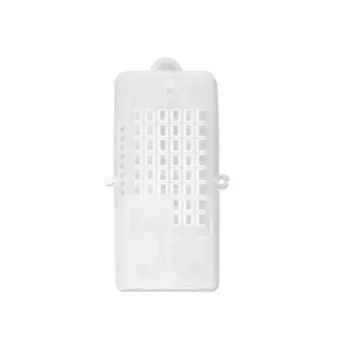
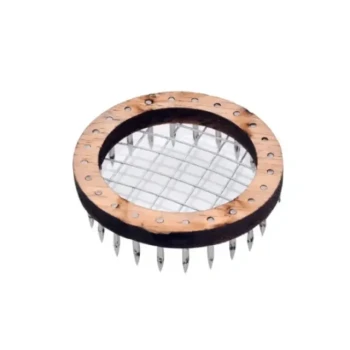
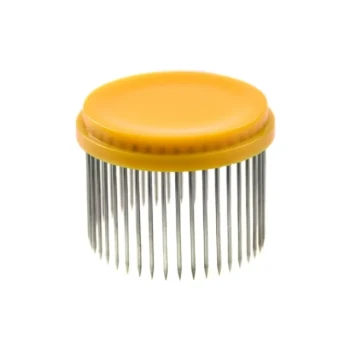
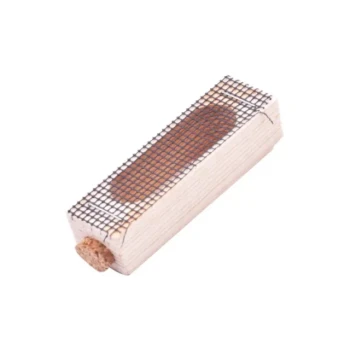
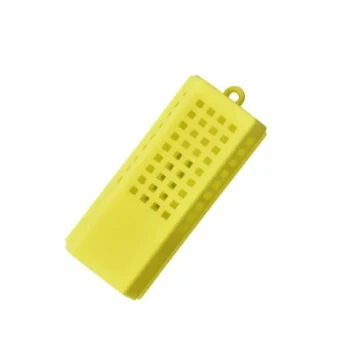
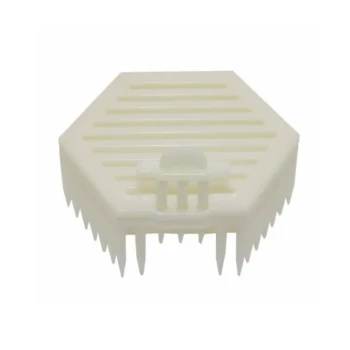
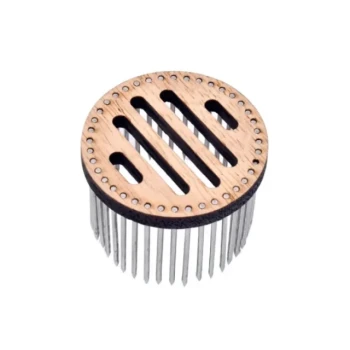
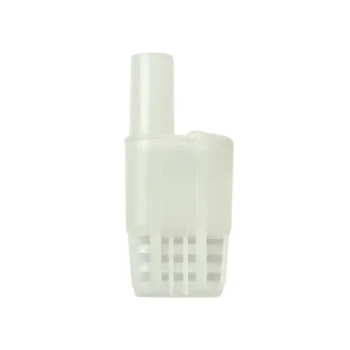
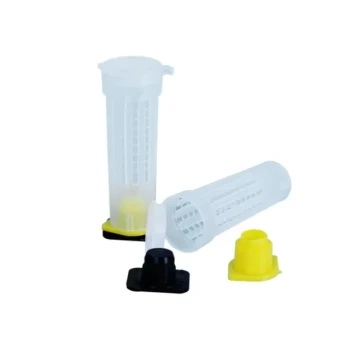
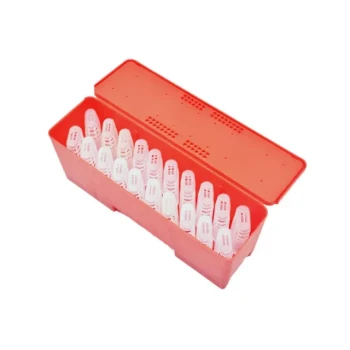
Queen isolation cages act as the primary instrument for temporal standardization in honey bee research. By restricting the queen to a specific honeycomb area using a mesh or grid barrier, these devices force egg-laying to occur within a strictly defined window, resulting in a generation of larvae with precise, synchronized ages.
Research into honey bee health—whether involving pesticides, pathogens, or nutrition—relies on eliminating biological variables. Isolation cages provide the essential baseline of age-synchronized larvae, ensuring that observed experimental effects are caused by the treatment rather than natural variations in developmental stages.
The Mechanism of Controlled Production
Selective Permeability
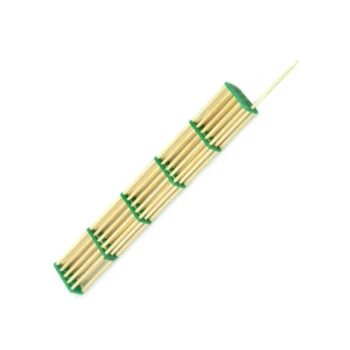
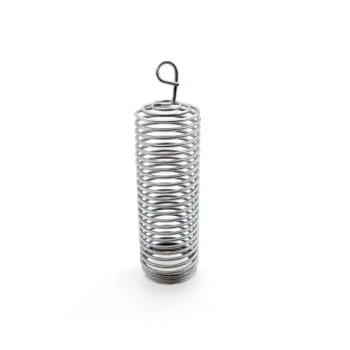
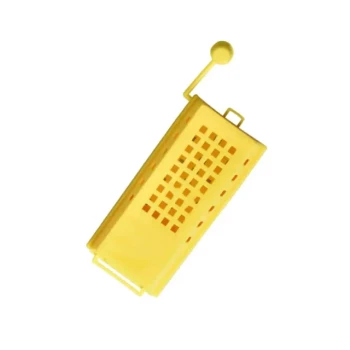
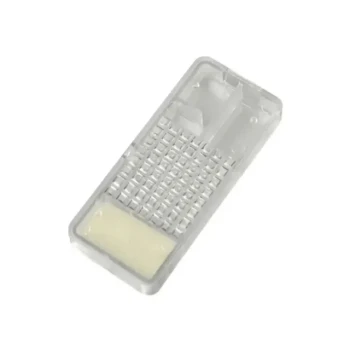
The core feature of an isolation cage is its physical design, typically utilizing mesh or grid structures.
This design functions as a selective barrier. It is small enough to contain the queen within a designated zone but large enough to allow worker bees free passage. This ensures the queen and her brood continue to receive necessary care and feeding from the colony while strictly limiting where eggs can be deposited.
The 24-Hour Synchronization Window
To produce larvae suitable for high-precision research, the queen is typically confined for a specific duration, often exactly 24 hours.
This tight timeframe is critical. By limiting the egg-laying period to a single day, researchers ensure that all resulting larvae are within hours of the same age. This synchronization allows for the subsequent grafting of 1-day-old larvae, creating a uniform cohort for experimentation.
Why Age Synchronization is Non-Negotiable
Reducing Pathogen Susceptibility Variables
In artificial infection experiments, the age of the larva dictates its immune response.
Honey bee larvae exhibit significant variations in susceptibility to pathogens depending on their developmental stage. Larvae that differ in age by even a few hours may react differently to the same viral or bacterial load. Isolation cages allow researchers to harvest larvae that are consistently less than 24 hours old, ensuring infection data is accurate and not skewed by age-related resistance.
Standardizing Toxicology Cohorts
For studies on pesticide exposure, establishing a standardized experimental cohort is vital.
If larvae are at different developmental stages, their metabolic ability to process toxins will differ, rendering the data "noisy" or incomparable. Isolation cages ensure that every subject in the control and test groups starts from the exact same biological baseline.
Ensuring Nutritional Comparability
In nutritional research, individual development rates must be compared against specific diets.
Using a dual-frame isolation cage guarantees that the larvae selected for grafting are identical in age. This consistency is the only way to ensure that differences in growth or survival are truly the result of the nutritional intervention, rather than pre-existing differences in larval maturity.
Operational Constraints and Trade-offs
Impact on Colony Resource Allocation
While primarily used for synchronization in research, confining the queen fundamentally alters colony dynamics.
Restricting the queen limits her total egg-laying output during the confinement period. In some contexts, this is used to redirect colony energy from brood rearing to other tasks, such as nectar collection. Researchers must be aware that long-term isolation changes the colony's demographic structure and resource consumption, which could be a confounding variable if not accounted for in broader colony-level studies.
Making the Right Choice for Your Goal
To maximize the validity of your experimental data, apply the isolation cage strategy that aligns with your specific research parameters:
- If your primary focus is Artificial Infection: Prioritize a strict 24-hour confinement window to obtain larvae under 1 day old, as pathogen susceptibility changes rapidly after this stage.
- If your primary focus is Toxicology/Pesticides: Use isolation to create large, standardized cohorts to ensure that survival rates reflect chemical toxicity rather than developmental variance.
- If your primary focus is Nutritional Physiology: Ensure precise synchronization to guarantee that all grafted larvae begin feeding at the exact same developmental moment for comparable growth data.
Precision in the hive translates directly to accuracy in the lab; without the isolation cage, the variable of age renders sensitive biological data effectively useless.
Summary Table:
| Feature | Research Benefit | Key Mechanism |
|---|---|---|
| Temporal Control | Eliminates age variables | 24-hour confinement window |
| Selective Permeability | Maintains brood health | Worker access via mesh/grid |
| Standardization | Reliable data cohorts | Uniform developmental baselines |
| Pathogen Studies | Precise infection windows | Consistent susceptibility age |
| Toxicology | Comparable metabolic data | Identical biological starting points |
Optimize Your Research Precision with HONESTBEE
Precision in the lab starts with precision in the hive. At HONESTBEE, we understand the rigorous demands of commercial apiaries and research-focused distributors. Whether you are conducting sensitive honey bee health trials or managing a large-scale operation, we provide the full spectrum of professional beekeeping tools, specialized hardware, and essential consumables.
From queen isolation cages and hive-making machinery to high-capacity honey-filling machines, HONESTBEE delivers the quality equipment needed to eliminate variables and maximize output.
Ready to elevate your beekeeping standards? Contact us today to discuss our wholesale solutions and see how our comprehensive portfolio can support your success.
References
- Hannelie Human, Huoqing Zheng. Miscellaneous standard methods for<i>Apis mellifera</i>research. DOI: 10.3896/ibra.1.52.4.10
This article is also based on technical information from HonestBee Knowledge Base .
Related Products
- Professional Bamboo Queen Isolation Cage
- Durable Galvanized Steel Spring Queen Bee Cage
- Professional Queen Cage with Sliding Gate and Feeder Plug
- Professional Queen Bee Introduction and Transport Cage
- Professional Multi-Functional Queen Bee Cage
People Also Ask
- Why are specialized queen bee cages used for the banking of mated queen bees? Maximize Commercial Apiary Storage Efficiency
- What is the mechanism of action for using temporary queen bee cages? Master Successful Queen Introduction
- How does the side ventilation design of a queen bee cage impact the safety of the queen during long-distance transport?
- What should you do if the queen is still in the cage and the worker bees have not accepted her? Protect Your Colony from Queen Rejection
- What technical precaution must be taken regarding the mesh or grill side of a queen bee cage? Ensure Queen Survival