Sensitivity and specificity determine whether a honey bee disease test can be trusted for action. Sensitivity measures how well a tool detects colonies or samples that truly have a disease, while specificity measures how well it correctly clears disease-free samples. Together, they help beekeepers, laboratories, and commercial apiaries reduce missed infections, unnecessary treatments, avoidable colony destruction, and preventable economic loss.
The key is balance: high sensitivity helps find disease early and limit transmission, while high specificity prevents healthy colonies from being treated or removed unnecessarily. The right balance depends on whether the test is being used for broad screening, treatment decisions, movement controls, or confirmatory diagnosis.
Why Diagnostic Accuracy Matters in Apiaries
Sensitivity Helps Prevent Missed Infections
A test with high sensitivity correctly identifies most diseased samples. Its main protection is against false negatives—results that indicate a colony is healthy when disease is actually present.
False negatives can be especially damaging in commercial operations. An infected colony may remain untreated, continue transmitting disease, or be moved alongside healthy colonies before the problem is recognized.
Specificity Helps Avoid Unnecessary Intervention
A test with high specificity correctly identifies most disease-free samples. Its main protection is against false positives—results that suggest disease where none exists.
False positives can lead to unnecessary medication, isolation, destruction of colonies, or disruption of routine production. They may also increase treatment costs and create avoidable concerns about chemical residues in honey and other bee products.
Accuracy Supports Better Economic Decisions
Diagnostic results influence more than veterinary treatment. They can affect colony movement, apiary management, labor, product continuity, and the timing of interventions.
For wholesalers, distributors, and commercial beekeepers, reliable diagnostic tools support more predictable purchasing and operational planning because decisions are based on dependable evidence rather than symptoms alone.
How to Interpret Sensitivity and Specificity Together
Screening Requires Strong Detection Capability
When the primary objective is to identify possible disease early, sensitivity is often prioritized. This is important when infection can spread rapidly or when the cost of overlooking a diseased colony is high.
High-sensitivity screening can identify samples that require closer examination, repeat testing, or laboratory confirmation before major action is taken.
Confirmation Requires Strong Exclusion Capability
When a result will trigger colony destruction, extensive treatment, movement restrictions, or other costly measures, specificity becomes especially important.
A highly specific confirmatory method reduces the chance that a healthy colony will be classified as diseased. In practice, screening and confirmation may therefore serve different roles rather than relying on one test for every decision.
Test Results Depend on Disease Conditions
Sensitivity and specificity are properties of test performance under defined conditions, but the usefulness of a result also depends on the disease’s prevalence in the population being tested.
When disease is rare, even a small proportion of false positives can represent a meaningful share of all positive results. When disease is common, a negative result may require careful interpretation, particularly if the sample was collected from an early or localized infection.
Why Sampling Quality Is Part of Diagnostic Accuracy
Poor Samples Can Create Misleading Results
A technically strong assay cannot compensate for an inadequate, damaged, or contaminated sample. Bee sample collection tools should obtain the required quantity of live or fresh material while minimizing contamination and handling damage.
This is relevant to conditions such as Nosemosis and Varroosis, where the quality and representativeness of the sample affect the reliability of subsequent analysis.
Representative Sampling Matters in Colonies
Disease may not be distributed evenly throughout a hive or apiary. A single sample may fail to represent the condition of the entire colony, especially during early infection or when pest levels vary between frames and colonies.
Sampling plans should therefore consider the purpose of testing, the suspected disease, the colony’s symptoms, and whether the objective is individual diagnosis or apiary-wide surveillance.
Contamination Can Distort Specificity
Cross-contamination during collection, handling, or testing can produce an apparent positive result in a disease-free sample. This directly undermines specificity and may trigger unnecessary treatment or control measures.
For distributors and testing laboratories, sampling tools, consumables, packaging, and handling procedures should be evaluated as part of the complete diagnostic workflow—not as isolated products.
Applying the Metrics to Honey Bee Disease Management
Early Detection Supports Containment
High-quality reagents and sampling tools can help identify pathogens such as Paenibacillus larvae during the early stages of infection. Earlier recognition creates an opportunity for targeted intervention, disinfection, or isolation before disease spreads across a larger apiary.
The value of sensitivity is therefore operational: it provides an earlier warning when the consequences of delay may be severe.
Accurate Diagnosis Improves Treatment Precision
Diagnosis should guide the choice, timing, and dosage of treatment rather than prompting routine or indiscriminate medication. Precision application equipment helps ensure that approved treatments are used consistently and that unnecessary exposure is minimized.
This supports both colony health and food-safety objectives by reducing the risk of improper dosing and chemical residues in bee products.
Monitoring Adds Context to Test Results
Hive sensors that monitor temperature, humidity, and vibration can provide early indications of abnormal colony conditions. These signals do not automatically replace pathogen testing, but they can help identify colonies that warrant closer inspection.
Combining monitoring data with diagnostic tests can help distinguish infectious disease from environmental stressors, including pesticide exposure or unfavorable climate conditions.
Understanding the Trade-offs
Maximizing One Metric May Affect the Other
Sensitivity and specificity are not interchangeable. A test designed to detect as many potential cases as possible may produce more false positives, while a test designed to avoid false alarms may miss some genuine infections.
The appropriate balance depends on the consequences of each error and the stage of the decision process.
Symptoms Alone Are Not Always Definitive
Colony decline, abnormal mortality, or changes in hive behavior may result from infectious disease, pests, environmental toxins, or multiple causes at once. Treating visible symptoms as proof of a specific disease can lead to incorrect interventions.
Diagnostic results should be interpreted alongside colony history, inspection findings, sampling conditions, and—when necessary—laboratory confirmation.
A Single Test Should Not Define the Entire Program
Test performance can vary with the sample type, disease stage, collection procedure, storage conditions, operator technique, and testing environment. A product’s stated sensitivity and specificity should therefore be reviewed in the context of the actual use case.
Commercial apiaries and laboratories should assess the complete system: collection tools, reagents, equipment, controls, training, turnaround time, and reporting procedures.
Speed Must Not Replace Reliability
Rapid tests are valuable when timely decisions are critical, but speed alone does not establish diagnostic quality. A fast result with poor sensitivity or specificity can accelerate the wrong decision.
The strongest procurement approach balances accuracy, turnaround time, ease of use, supply continuity, technical support, and appropriate documentation.
How to Apply This to Your Apiary or Product Portfolio
The practical objective is to match the diagnostic tool to the consequence of the decision it will support.
- If your primary focus is early disease screening: Prioritize high sensitivity, reliable sample collection, and a clear process for confirming suspected positive results.
- If your primary focus is treatment or colony-removal decisions: Prioritize high specificity and confirmatory testing to limit unnecessary intervention.
- If your primary focus is commercial apiary protection: Use diagnostic tests alongside structured sampling, hive monitoring, and rapid reporting to detect and contain problems across the operation.
- If your primary focus is sourcing and distribution: Build a dependable portfolio that includes validated reagents, uncontaminated sampling tools, treatment-application equipment, monitoring solutions, and responsive technical support.
- If your primary focus is food safety: Select testing and treatment systems that support precise dosing, traceable decisions, and reduced risk of chemical residue contamination.
When sensitivity, specificity, sampling quality, and operational support are evaluated together, diagnostic testing becomes a reliable foundation for protecting colonies, controlling costs, and preserving the quality of bee products.
Summary Table:
| Metric | Definition | Why It Matters | Risk If Poor |
|---|---|---|---|
| Sensitivity | Correctly identifies diseased samples | Detects infections early to prevent spread | Missed infections, disease transmission |
| Specificity | Correctly identifies disease-free samples | Avoids unnecessary treatment or colony destruction | False positives, wasted resources |
Ensure your diagnostic tools meet the highest standards. Contact HONESTBEE today for reliable beekeeping supplies and expert support. Contact us to discuss your needs.
Related Products
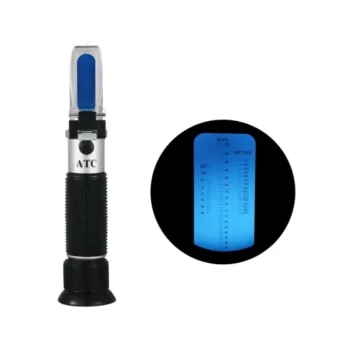
- Precision Honey Refractometer Instrument for Quality Assessment
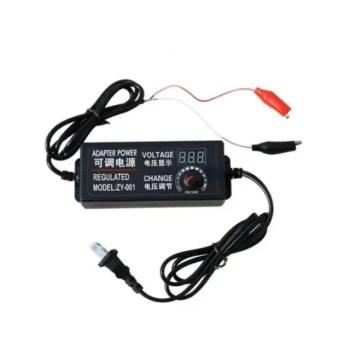
- HONESTBEE Adjustable Voltage Wire Embedder with Digital Display
- Professional Frame Preparation: The HONESTBEE Electric Wire Embedder
- Professional Stainless Steel Pry-Bar Hive Tool
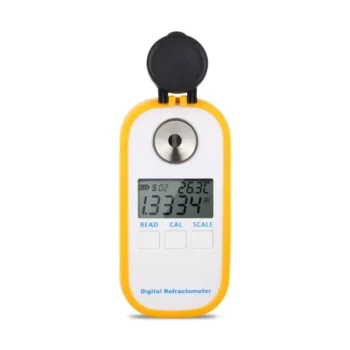
- Digital Honey Refractometer for Precision Measurement of Optimal Honey Quality
People Also Ask
- How do professional scientific instruments contribute to honey quality testing? Ensure Purity and Market Compliance
- What is the correct temperature for a honey sample before taking a refractometer reading? Tips for Accurate Measurement
- What is the role of a honey refractometer in harvesting? Prevent Fermentation & Ensure Quality
- What should be considered regarding the measurement range of a honey refractometer? Ensure Peak Honey Quality
- How can you remove air bubbles when using a honey refractometer? Master the Wiggle Technique for Accurate Readings