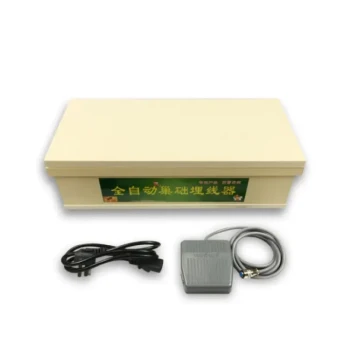
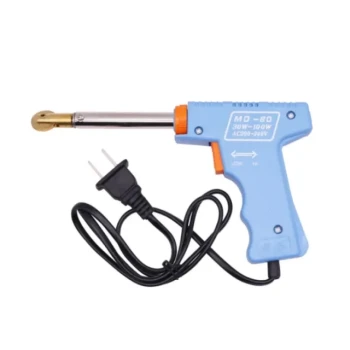
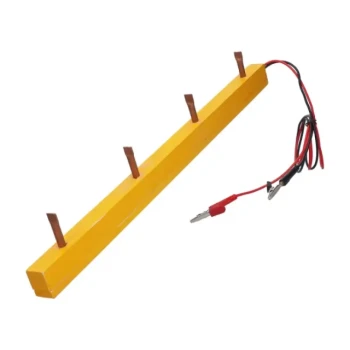
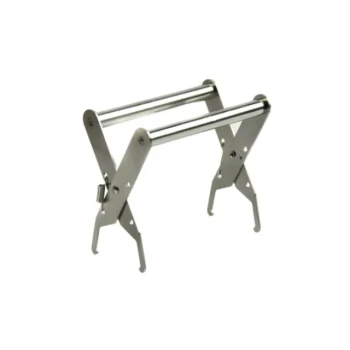
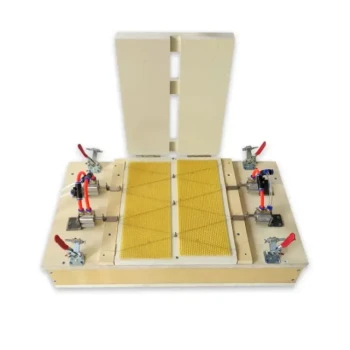
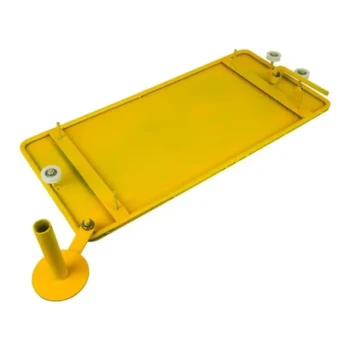
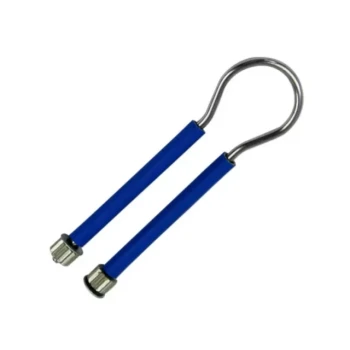
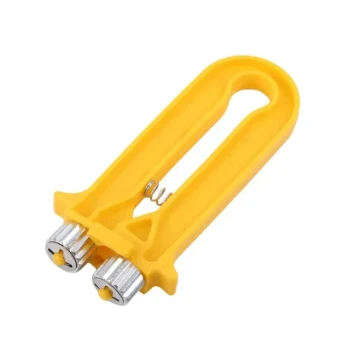
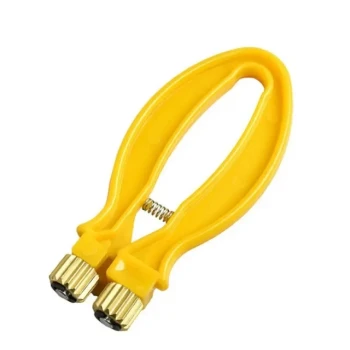
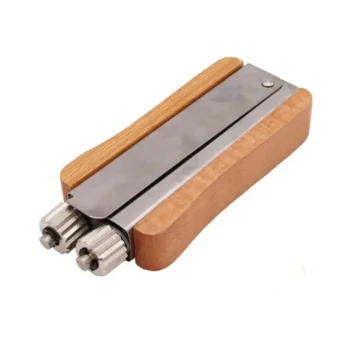
Stainless steel frame wires serve as the internal structural skeleton of a honeycomb frame, while wire embedders act as the bonding agent that fuses the wax foundation to this skeleton. Together, they transform a fragile sheet of wax into a durable, reinforced panel capable of withstanding the weight of honey and the physical stresses of beekeeping operations.
Core Takeaway Wiring and embedding are not merely about positioning wax; they are critical for structural reinforcement. This process ensures the comb can withstand the high-speed rotation of centrifugal extractors without collapsing, ultimately extending the service life of your beekeeping equipment.
Establishing Structural Integrity
The Function of Stainless Steel Wires
Stainless steel wires provide the essential tension needed to support the comb. When strung across the frame, they create a grid that acts as a permanent reinforcement bar.
Preventing Deformation
Without this internal support, wax foundation is prone to warping or sagging. The wires ensure the foundation remains perfectly flat and centered, providing a standardized guide for bees to build straight, uniform comb.
Handling Heavy Loads
A frame full of honey is surprisingly heavy. The tensioned wires distribute this weight across the wooden frame, preventing the soft wax from tearing under its own load or collapsing during high-temperature conditions.
The Role of the Wire Embedder
Securing the Foundation
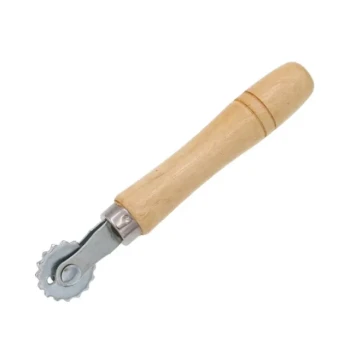
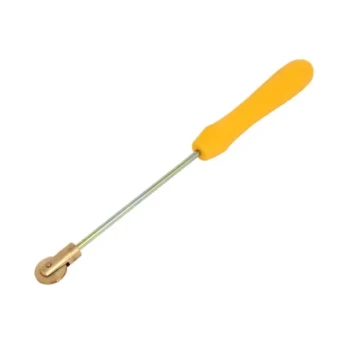
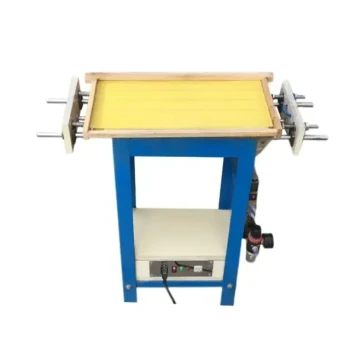
The wire embedder is the tool used to integrate the wax sheet with the steel wires. By using heat or pressure, the embedder forces the wire to sink into the wax.
Creating a Unified Structure
As the wax cools or settles around the wire, it bonds the two elements together. This fixation ensures the foundation does not slip or detach from the frame, even when the hive is jostled during transportation.
Durability During Extraction
Resisting Centrifugal Force
The most violent force a frame endures is inside a centrifugal extractor. During harvest, frames are spun at high speeds to fling honey out of the cells.
Preventing "Blowouts"
Unwired or poorly embedded frames often shatter or "blow out" under this rotational pressure. The stainless steel reinforcement holds the comb together, allowing for rapid extraction without destroying the drawn comb.
Extending Equipment Life
By preventing breakage during harvest, you preserve the bees' hard work. This allows you to return intact drawn comb to the hive, significantly extending the service life of the frame and increasing future productivity.
Common Pitfalls to Avoid
The Risk of Improper Tension
If wires are too loose, they fail to provide support, leading to sagging combs. Conversely, if wires are overtightened, they can bow the wooden frame, warping the foundation before the bees even touch it.
Thermal Damage
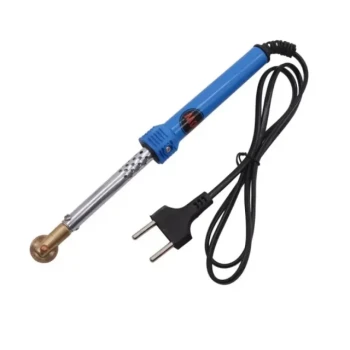
When using electric wire embedders, there is a fine line between embedding and cutting. Applying too much heat or pausing too long can melt the wire completely through the wax sheet, rendering the foundation useless.
Making the Right Choice for Your Goal
To maximize the effectiveness of your equipment, align your preparation method with your operational needs:
- If your primary focus is Equipment Longevity: Prioritize high-tension wiring to ensure the comb remains intact through multiple seasons of harvesting and transport.
- If your primary focus is Extraction Speed: Focus on a deep, secure embedment of the wire, which allows you to run extractors at higher speeds without risking comb collapse.
Mastering the use of wires and embedders is the difference between fragile comb and a robust, reusable asset.
Summary Table:
| Component | Primary Function | Impact on Beekeeping |
|---|---|---|
| Stainless Steel Wire | Internal structural skeleton | Prevents wax warping and supports the weight of honey. |
| Wire Embedder | Bonding wire to wax foundation | Secures the foundation to prevent slipping or detaching. |
| The Combination | Reinforcement for extraction | Allows high-speed centrifugal extraction without comb 'blowouts'. |
| Tension Control | Frame stability | Prevents wooden frame bowing while ensuring flat guide paths for bees. |
Maximize Your Apiary Productivity with HONESTBEE
Building durable, high-performance honeycomb frames is essential for commercial success. At HONESTBEE, we specialize in supporting commercial apiaries and distributors by providing the industry's most reliable beekeeping tools and machinery.
Whether you need precision wire embedders, high-tensile stainless steel wire, or fully automated honey-filling and hive-making machines, our comprehensive wholesale portfolio is designed to extend your equipment's service life and optimize your extraction speed.
Ready to scale your beekeeping operations? Contact us today to discover how our professional-grade equipment and essential consumables can enhance your honey production and business efficiency.
References
- Etsemeskel Tadele, Abebe Melese. Comprehensive review on improved honey production: techniques, challenges, opportunities, and future prospects in Africa. DOI: 10.3389/frbee.2025.1588416
This article is also based on technical information from HonestBee Knowledge Base .
Related Products
- Stainless Steel Bee Hive Frame Wire for Beekeeping
- Honestbee Wooden Handle Steel Spur Wheel Wire Embedder
- HONESTBEE Adjustable Voltage Wire Embedder with Digital Display
- HONESTBEE Soldering Iron Style Spur Wheel Wire Embedder
- Professional Frame Preparation: The HONESTBEE Electric Wire Embedder
People Also Ask
- What are the arguments for and against wiring beehive frames? Balance Durability and Management Flexibility
- What are the drawbacks of wiring beehive frames? Key Limitations and Structural Trade-offs Revealed
- How is the wire secured at the top of the frame? A Guide to Locking in Tension for Strong Honeycomb
- What factors determine the amount of wiring needed in beehive frames? Tailor Your Strategy for Your Climate
- What tools are needed to wire a beehive frame? Essential Equipment for Durable Frame Construction