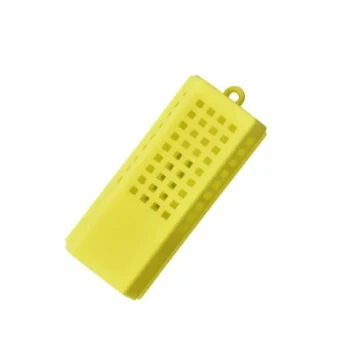
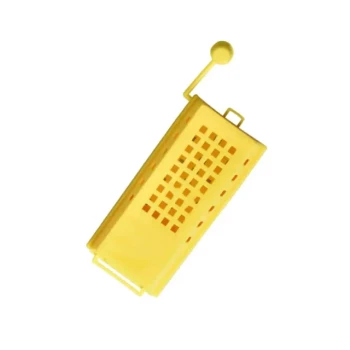
Vertically oriented Plastic Queen Cups serve as a critical biological mimic in the artificial breeding process. They are engineered to replicate the exact shape, size, and—most importantly—the downward opening direction of natural queen cells. This specific orientation provides the essential physical trigger required to induce nurse bees to accept grafted larvae and rear them as queens.
The Core Takeaway Plastic Queen Cups do not merely hold larvae; they force a shift in colony behavior by simulating the vertical geometry of natural queen cells. This bypasses the colony's tendency to rear workers on the horizontal plane, ensuring a standardized environment for mass queen production.
Simulating the Natural Environment
The Critical Role of Vertical Orientation
In a natural hive, worker bees are reared in horizontal cells, while queen cells hang vertically. Plastic Queen Cups mimic this specific vertical opening direction.
By orienting the larva downward, the cup provides a potent physical trigger. This signals to the nurse bees that the inhabitant is destined for royalty, not a worker role.
Bypassing Horizontal Selection
Standard worker development occurs on the horizontal hive plane. Using these cups allows breeders to bypass this natural selection process entirely.
This forces the colony to direct resources immediately toward queen rearing. It ensures the larvae are not accidental beneficiaries of royal jelly, but intentional targets for development.
Standardization and Consistency
Creating a Uniform Micro-Environment
Unlike hand-made wax cups, plastic cups offer precise, industrial uniformity. This ensures that every larva develops within a consistent micro-environment.
Factors such as feeding space, humidity, and temperature remain constant across large batches. This consistency is vital for maintaining high quality across a large-scale breeding operation.
Measuring Success Rates
The standardized nature of these cups transforms queen rearing into a measurable science. Because the substrate is uniform, breeders can accurately track worker bee maintenance and acceptance rates.
This data allows for the refinement of grafting techniques without the variable of irregular cell construction skewing the results.
Understanding the Trade-offs
Material vs. Acceptance
While plastic cups offer superior durability and standardization, the material itself can be a variable. The physical material and shape directly influence how readily nurse bees accept the larvae.
The Necessity of Preparation
Plastic lacks the natural scent and texture of beeswax. Therefore, achieving high survival rates often requires the addition of royal jelly or specific priming to ensure the "artificial" nature of the cup does not deter the bees.
Making the Right Choice for Your Goal
To maximize the effectiveness of your queen rearing program, consider how these cups align with your specific objectives:
- If your primary focus is Commercial Scalability: Prioritize plastic cups for their compatibility with modern grafting frames and their ability to produce uniform queens at volume.
- If your primary focus is Data and Analysis: Use plastic cups to establish a standardized baseline, allowing you to accurately measure acceptance rates and troubleshoot colony health.
- If your primary focus is Hygiene and Reusability: Leverage the durability of plastic cups, which are significantly easier to clean and disinfect compared to wax alternatives.
Success in artificial queen rearing lies in using the vertical orientation of the cup to trick the hive's instincts, while using the standardization of the plastic to control the outcome.
Summary Table:
| Feature | Vertical Plastic Queen Cups | Natural Queen Cells |
|---|---|---|
| Orientation | Vertical (Downward Opening) | Vertical (Downward Opening) |
| Material | Durable, Food-grade Plastic | Natural Beeswax |
| Consistency | High (Industrial Uniformity) | Variable (Hand-built by Bees) |
| Reusability | Excellent (Easy to Disinfect) | None (Destroyed after Hatching) |
| Main Function | Triggers Royal Jelly Provisioning | Houses Natural Queen Larvae |
| Target User | Commercial Apiaries & Breeders | Natural Colony Expansion |
Scale Your Apiary with Professional-Grade Queen Rearing Tools
At HONESTBEE, we specialize in empowering commercial apiaries and beekeeping distributors with the precision equipment needed for high-volume success. Whether you are seeking high-acceptance Plastic Queen Cups, advanced hive-making machinery, or automated honey-filling systems, our comprehensive wholesale portfolio is designed to maximize your efficiency and yield.
Ready to elevate your production and secure your supply chain?
Contact HONESTBEE Today to discuss our volume pricing and how our specialized beekeeping hardware and consumables can drive your business growth.
References
- Ramesh R. Sagili, Carolyn R. Breece. Honey bees consider larval nutritional status rather than genetic relatedness when selecting larvae for emergency queen rearing. DOI: 10.1038/s41598-018-25976-7
This article is also based on technical information from HonestBee Knowledge Base .
Related Products
- JZBZ Type Wide Base Plastic Queen Cell Cups for Base Mounting and Queen Rearing
- Clear Black Plain Polystyrene Queen Bee Grafting Cell Cups No Lug for Bee Queen Cup
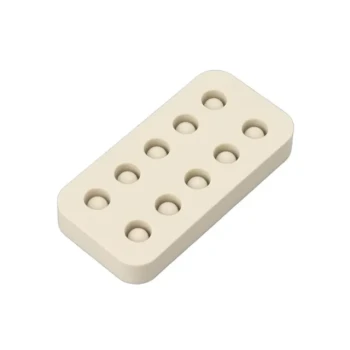
- 10-Cell Silicone Beeswax Bee Queen Cups Forming Mold
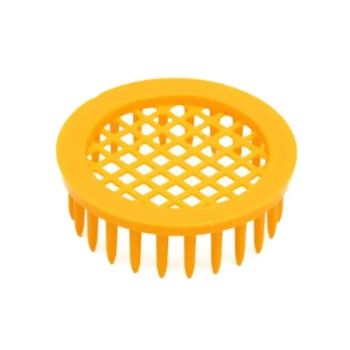
- Durable Plastic Push In Queen Bee Cage
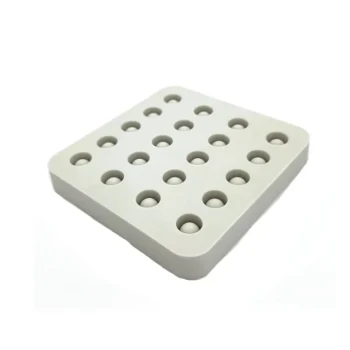
- High-Efficiency 20-Cell Silicone Mold for Beeswax Bee Queen Cup Production
People Also Ask
- What is the primary function of commercial plastic queen cell cups? Driving Efficiency in Mass Queen Rearing
- What are the primary advantages of using plastic queen cell cups? The Industrial Choice for High-Efficiency Apiaries
- What technical advantages do commercial plastic queen cell cups offer? Scale Your Queen Rearing for Maximum Efficiency
- What is the function of standardized plastic Queen Cell Cups? Boost Efficiency in Commercial Larval Grafting
- Why are standardized plastic queen cell cups preferred? Boost Commercial Queen Rearing Efficiency