Wax Queen Cell Cups serve as the critical biological interface in large-scale royal jelly production, acting as essential consumables that simulate natural queen cells. Their primary function is to hold grafted larvae and trigger the colony's instinct to fill these specific containers with the royal jelly secreted by nurse bees.
By simulating the physical structure and material composition of a natural nest, Wax Queen Cell Cups bridge the gap between artificial intervention and bee biology. Their specific role is to maximize the acceptance rate of grafted larvae, ensuring the colony commits resources to filling the cups with jelly rather than rejecting the artificial introduction.
Driving Production Through Biological Simulation
Inducing the Nursing Instinct
The production of royal jelly relies on tricking the colony into believing it needs to rear new queens. Wax cups are shaped specifically to mimic natural queen cells. This geometry, combined with the presence of a larva, triggers the potent nursing instinct of worker bees to secrete massive quantities of royal jelly into the cup.
The Foundation of the Process
These cups mark the absolute starting point of the intensive production cycle. They act as the standardized vessels for the larval transfer stage (grafting). Without a vessel that the bees recognize as a valid rearing environment, the systematic accumulation of jelly for harvest is impossible.
Modular Scalability
In a commercial setting, individual wax cups are rarely used in isolation. They are typically mounted onto wooden cell bars—often approximately 15 cups per bar—which are then integrated into frames. This modular design allows producers to manipulate production scales easily and harvest entire sets of cells simultaneously using professional tools.
The Critical Role of Material Affinity
Maximizing Acceptance Rates
The primary reference emphasizes that the material affinity of the wax is the single most critical factor in the cups' performance. Because beeswax is a natural material native to the hive, it significantly lowers the rejection rate of the grafted larvae.
Reducing Olfactory Resistance
Bees are highly sensitive to foreign materials and odors. Plastic or artificial materials can sometimes lead to the bees removing the larvae (cleaning behavior). Wax cups, or cups coated in beeswax, provide a familiar chemical footprint that encourages the bees to "adopt" the larvae immediately and begin feeding.
Understanding the Trade-offs
The Durability Challenge
While wax offers superior biological acceptance, it lacks physical resilience. Wax cups are prone to deformation during handling and high temperatures. Unlike dark plastic alternatives, which are rigid and durable, wax cups may need to be reformed or replaced more frequently.
Issues with Standardization and Weighing
For producers focused on precise data or research, wax presents a challenge regarding weight calibration. Plastic cups offer uniform weight, making it easy to calculate the net yield of jelly per cup. Wax cups vary slightly in mass and shape, complicating the "tare" calibration required to measure yields precisely.
Making the Right Choice for Your Goal
To optimize your production, choose your cell cup material based on your specific operational bottlenecks:
- If your primary focus is maximizing larval acceptance: Prioritize pure beeswax cups or wax-coated bases, as the material affinity dramatically reduces the chance of bees rejecting the graft.
- If your primary focus is durability and measurement precision: Consider dark plastic cups, which resist deformation and allow for exact tare calibration during weighing procedures.
Success in royal jelly production ultimately depends on selecting a cup that balances the biological needs of the bee with the industrial requirements of the beekeeper.
Summary Table:
| Feature | Wax Queen Cell Cups | Plastic Queen Cell Cups |
|---|---|---|
| Material Affinity | High (Natural beeswax) | Lower (Synthetic polymer) |
| Acceptance Rate | Exceptional (Triggers nursing instinct) | Moderate (Requires conditioning) |
| Durability | Low (Prone to deformation) | High (Rigid and reusable) |
| Scalability | High (Modular bar mounting) | High (Modular bar mounting) |
| Precision | Variable weight/shape | Uniform weight for calibration |
Scaling Your Royal Jelly Production?
HONESTBEE is the premier partner for commercial apiaries and distributors, providing the high-quality tools you need to maximize your yields. Whether you are looking for specialized wax queen cell cups, advanced honey-filling machines, or wholesale hive-making equipment, we supply the full spectrum of beekeeping hardware and consumables.
Our expertise in the beekeeping industry ensures that you receive products designed for biological efficiency and commercial durability. Let us help you optimize your operation—contact HONESTBEE today to discuss our comprehensive wholesale offerings!
References
- Mohamed Ali. Relationship Between Number of Grafted Queen Cell Cups and Amount of Produced Royal Jelly in Honey Bee Colonies Apis mellifera L.. DOI: 10.21608/eajbsa.2017.12651
This article is also based on technical information from HonestBee Knowledge Base .
Related Products
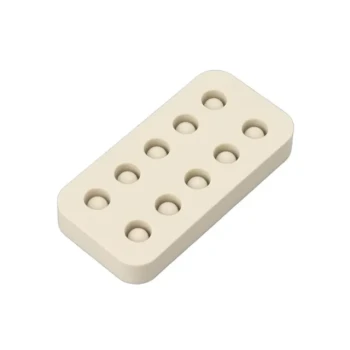
- 10-Cell Silicone Beeswax Bee Queen Cups Forming Mold
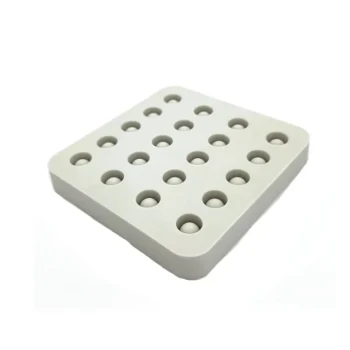
- High-Efficiency 20-Cell Silicone Mold for Beeswax Bee Queen Cup Production
- Clear Black Plain Polystyrene Queen Bee Grafting Cell Cups No Lug for Bee Queen Cup
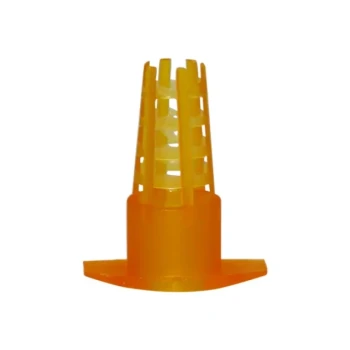
- Brown Nicot Queen Cell Cups for Breeding Queen Bees Beekeeping
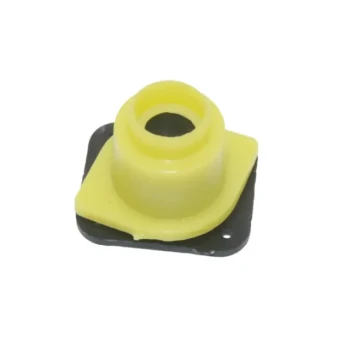
- JZBZ Type Wide Base Plastic Queen Cell Cups for Base Mounting and Queen Rearing
People Also Ask
- How do beeswax queen cell cups function? Optimize Queen Rearing with Biological Mimicry
- What is the biological function of beeswax queen cell cups? Boost Acceptance in Artificial Queen Rearing
- What role do specialized queen rearing tools play in developing mite-resistant honeybee stock? Master Genetic Selection
- What materials are used to make artificial queen cell cups for grafting? Beeswax vs. Plastic Guide
- What roles do specialized queen cell cups play in royal jelly production? Optimize Your Hive's Secretion and Yield