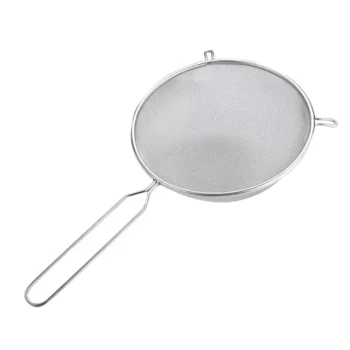
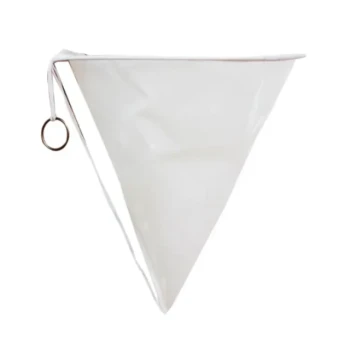
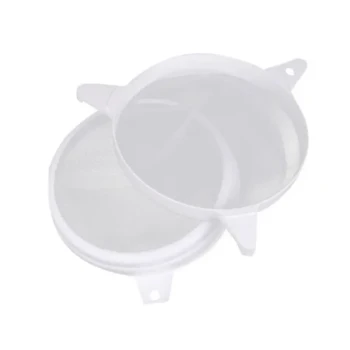
High-precision filtration acts as the definitive quality control barrier in honey processing. Its immediate function is to physically separate raw honey from insoluble solids—specifically pollen clumps, hive debris, bee fragments, and sand—ensuring the final product maintains a solid content below critical thresholds (often <0.1%).
Core Insight: Filtration is more than just cleaning; it is a stabilization process. By removing organic contaminants that accelerate spoilage and crystallization, high-precision systems convert a raw agricultural harvest into a safe, shelf-stable commodity suitable for premium food and medicinal markets.
Achieving Physical Purity and Sensory Quality
Removal of Insoluble Solids
The primary role of these systems is the mechanical removal of physical contaminants. This includes visible impurities like wax caps and bee parts, as well as finer particulates like sand and dust.
Establishing the "Cleanliness" Standard
For high-grade applications, simple straining is insufficient. High-precision systems reduce insoluble solid content to microscopic levels, typically below 0.1%, which is a prerequisite for defining the honey as "clean" in industrial contexts.
Visual Enhancement
Consumer perception of quality is often tied to transparency. By using multi-stage stainless steel meshes or microporous media, the system significantly improves visual clarity, making the product more attractive for retail and export.
Ensuring Safety and Stability
Preventing Biological Spoilage
Unfiltered honey often contains biological debris, such as bee larvae or eggs. If left in the mixture, the proteins in this debris decompose, leading to rancidity and off-flavors that ruin the product.
Delaying Crystallization
Suspended particles in raw honey act as nucleation sites. These impurities provide a surface for sugar crystals to form; removing them significantly slows the natural crystallization process, extending the liquid shelf life.
Critical Safety for Medicinal Use
For honey intended for medical applications, hygiene is non-negotiable. The removal of potential contaminants is vital to prevent infection or reaction, ensuring the honey is safe for therapeutic use.
Understanding the Trade-offs
Filtration vs. Ultra-Filtration
There is a distinct line between cleaning honey and stripping it. While removing excess pollen and debris is necessary for clarity, removing all pollen (ultra-filtration) can strip the honey of its botanical identity and origin markers.
Regulatory Compliance Risks
You must balance clarity with legal standards. Regulations, such as EU Council Directive 2001/110/EC, often mandate that natural pollen content remain intact while prohibiting foreign matter. The filtration system must be calibrated to remove impurities without filtering out the honey's essential character.
Making the Right Choice for Your Goal
- If your primary focus is Medicinal Grade Honey: Prioritize a system capable of strict <0.1% insoluble solid reduction to ensure absolute biological safety.
- If your primary focus is Commercial Shelf Life: Focus on removing micro-particles that act as nucleation sites to prevent early crystallization.
- If your primary focus is Natural/Artisanal Markets: Calibrate the system to remove gross debris (wax/bee parts) while allowing natural pollen grains to pass through to maintain "raw" status.
The correct filtration strategy transforms honey from a volatile raw ingredient into a dependable, high-value product.
Summary Table:
| Feature | Function & Benefit | Impact on Honey Quality |
|---|---|---|
| Physical Purity | Removes wax, bee debris, and sand | Achieves <0.1% insoluble solid content |
| Visual Clarity | Multi-stage stainless steel mesh filtration | Enhances transparency for premium retail |
| Shelf Stability | Eliminates nucleation sites | Delays natural crystallization and spoilage |
| Biological Safety | Removes organic decomposition risks | Essential for medicinal-grade applications |
| Market Compliance | Calibrated particle separation | Retains botanical markers while meeting EU/Global standards |
Elevate Your Honey Quality with HONESTBEE Professional Solutions
Transform your raw harvest into a premium, market-ready commodity with industry-leading technology. HONESTBEE specializes in supporting commercial apiaries and distributors by providing the full spectrum of beekeeping tools, specialized honey-processing machinery, and essential consumables.
Why partner with us?
- Precision Machinery: From high-efficiency hive-making to advanced honey-filling and filtration systems.
- Wholesale Excellence: Comprehensive equipment portfolios designed for industrial-scale reliability.
- Global Distribution: We supply everything needed to scale your operations and meet strict international standards.
Ready to optimize your production and increase your market value? Contact our expert team today to explore our wholesale offerings and customized equipment solutions!
References
- Ina Ramírez Miranda, Yolanda Moguel-Ordóñez. Physicochemical and Microbiological Standards of Honey Produced by Genus <i>Melipona</i>. DOI: 10.2478/jas-2021-0016
This article is also based on technical information from HonestBee Knowledge Base .
Related Products
- Electric Double Wall Honey Filtering Machine Purifier Equipment for Honey Processing Plant
- Professional Honey Filter with Tripod Support Stand
- Professional Stainless Steel Honey Filter with Support Handle
- Honey Concentrating and Filtering Dehumidifier Machine 2T Capacity for Honey
- Professional Stainless Steel Honey Filtering Machine with Water Bath Heating for Beekeeping
People Also Ask
- What is the process of filtering honey? A Guide to Clean, Pure, and Market-Ready Honey
- What types of equipment are used in honey filtering? Build an Efficient System for Pure, Marketable Honey
- What is the overall importance of using the right equipment in honey filtering? Boost Quality & Marketability
- What role do professional honey harvesting and filtering equipment play in meeting honey market quality standards? Boost ROI
- What is a potential concern associated with filtering honey? Balancing Clarity and Pollen Preservation