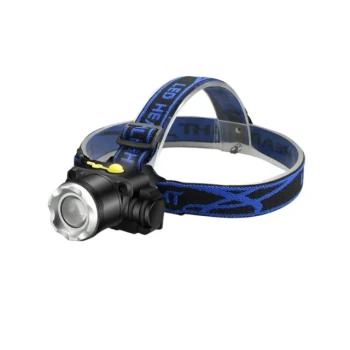
Green light serves as a highly effective, low-disturbance alternative for night-time apiary management. It provides the necessary visibility for detailed hive inspections while triggering significantly fewer defensive reactions than white or blue light. Research indicates that the level of bee attraction to green light is statistically similar to red light, making it a safe and practical tool for working with colonies in the dark.
While red light is the traditional standard, green light offers a comparable level of low attraction to honey bees. It effectively balances the beekeeper's need for visibility with the critical requirement of minimizing colony stress and defensive behavior.
The Mechanics of Low-Disturbance Lighting
Minimizing Phototactic Response
Honey bees are highly sensitive to specific segments of the light spectrum, particularly white and blue wavelengths.
When exposed to these colors at night, bees often exhibit strong defensive reactions and attraction to the source.
Green light significantly reduces this risk, allowing you to work without triggering the colony's aggressive aggregation instincts.
Comparable Performance to Red Light
Red light is widely regarded as the gold standard for night inspections because bees have poor sensitivity to that spectrum.
However, green light is ranked second only to red light in effectiveness.
Crucially, research shows that the actual number of bees attracted to green light does not differ significantly from the number attracted to red light.
Practical Application in the Apiary
Ensuring Operational Visibility
The primary role of any lighting consumable is to allow the beekeeper to perform tasks safely and accurately.
Green light provides sufficient illumination to navigate the apiary and inspect hive components.
This ensures that management tasks can be completed efficiently without the visual limitations often associated with total darkness.
Reducing Defensive Behavior
Night inspections carry the risk of bees crawling or flying toward the light source (the beekeeper).
By utilizing green light, you effectively neutralize this phototactic drive.
This results in a calmer colony, allowing for smoother operations and less stress for both the bees and the beekeeper.
Understanding the Trade-offs
Hierarchy of Effectiveness
While green light is an excellent tool, it is technically ranked second to red light in terms of low attraction.
Beekeepers should be aware that while the difference in bee attraction is statistically insignificant, red light remains the theoretical peak of low-disturbance lighting.
Context vs. White Light
The distinction between green and white/blue light is drastic.
However, the distinction between green and red is subtle.
Choosing green light is less about it being "better" than red, and more about it being a viable, effective alternative that is vastly superior to standard broad-spectrum flashlights.
Making the Right Choice for Your Goal
When selecting lighting equipment for night-time management, consider your specific needs:
- If your primary focus is accessibility: Use green light as a widely available alternative that provides effective results nearly identical to red light.
- If your primary focus is colony calm: You can rely on green light with confidence, knowing that research supports its ability to minimize defensive reactions just as effectively as red light.
Green light provides a scientifically supported balance between human visibility and colony welfare, ensuring night work remains safe and non-intrusive.
Summary Table:
| Light Color | Bee Sensitivity | Attraction Level | Best Use Case |
|---|---|---|---|
| Red Light | Very Low | Minimal | Gold standard for zero-disturbance inspections |
| Green Light | Low | Low (Comparable to Red) | Ideal balance of visibility and colony calm |
| Blue Light | High | High | Generally avoided for night-time hive work |
| White Light | Very High | Maximum | Only for emergency navigation; triggers aggression |
Elevate Your Commercial Beekeeping Efficiency with HONESTBEE
Managing large-scale apiaries at night requires precision tools that protect both your yield and your bees. At HONESTBEE, we specialize in supporting commercial apiaries and distributors with a comprehensive wholesale portfolio—from specialized hive-making and honey-filling machinery to high-quality consumables like low-disturbance lighting solutions.
Whether you are scaling your operation or looking for premium beekeeping hardware and cultural merchandise, our expertise ensures your business remains productive and non-intrusive. Partner with the industry experts today to access bulk pricing and professional-grade equipment.
Contact HONESTBEE to Optimize Your Operation
References
- Daniel Ibiang Edet, A. T. Oladele. The impact of coloured lights on night-time colony management of the African honey bee (Apis mellifera adansonii). DOI: 10.5251/abjna.2012.3.12.506.509
This article is also based on technical information from HonestBee Knowledge Base .
Related Products
- Professional Rechargeable Beekeeping Headlamp Flashlight with Red Light Mode and Type-C Charging
- Precision Stainless Steel Frame Cleaner for Hive Grooves and Corners
People Also Ask
- What are the advantages of using red light sources for African honey bees? Enhance Safety and Colony Health
- Why is a Red-light Flashlight necessary for the nighttime transportation of bee colonies? Enhance Hive Safety & Success
- What are the main products obtained from beekeeping? Honey, Beeswax, and Vital Pollination Services
- What is the primary function of a cylinder-shaped wood mold? Essential Tools for Quality Queen Rearing
- How can beekeeping supplies and accessories enhance the hobby? Essential Tools for Safe & Rewarding Beekeeping