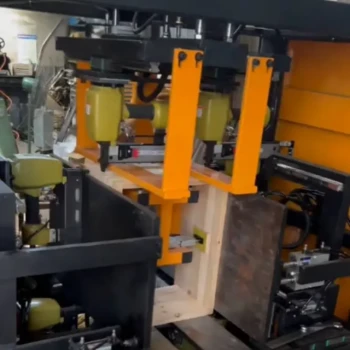
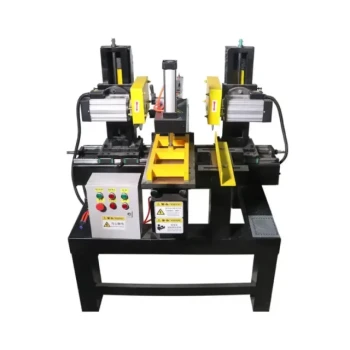
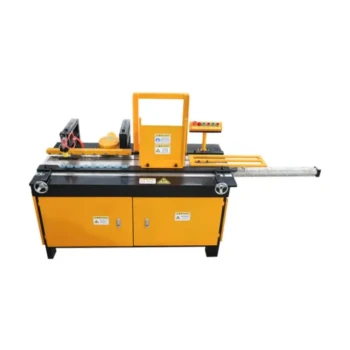
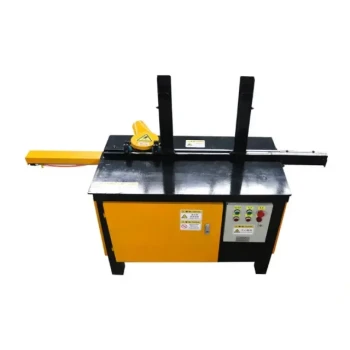
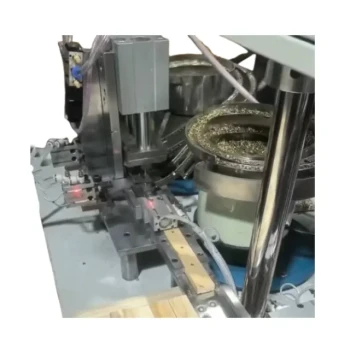
Industrial beehive manufacturing machinery acts as the foundational enabler of modern beekeeping standardization by utilizing advanced CNC milling and standardized mold processing to enforce strict dimensional tolerances. This precision ensures that every component—from frames to hive bodies—is physically consistent, creating a universal hardware standard that transforms beekeeping from a variable craft into a scalable, industrial operation.
The core value of this machinery lies in its ability to guarantee the seamless interchangeability of parts across different hives and farms. This physical uniformity is the absolute prerequisite for automated harvesting, effective disease quarantine protocols, and the logistical efficiency required for large-scale migratory beekeeping.
The Engineering of Interchangeability
Precision Manufacturing
Industrial machinery replaces manual carpentry with high-precision processes like CNC milling. This ensures that wooden and plastic components are produced with extremely tight dimensional tolerances that manual methods cannot consistently achieve.
Component Compatibility
The immediate result of this precision is interchangeability. Frames, hive bodies, and bases produced by these machines can be moved between different hives or even purchased from different suppliers without fitting issues.
The "Bee Space" Factor
Machinery ensures the maintenance of critical biological dimensions, specifically the "bee space" (the precise gap bees need to move freely). If manufacturing deviates from this standard, bees bridge the gaps with propolis or burr comb, making management difficult and harming the colony.
Operational and Logistical Impacts
Enabling Migratory Beekeeping
Standardized hive dimensions allow for the uniform stacking and palletizing of hives. This optimizes truck space and simplifies the loading process, which is essential for the efficiency of large-scale migratory operations where hives are transported frequently for pollination services.
Facilitating Automation
Modern industrial beekeeping relies increasingly on automated honey-harvesting lines. These robots and uncapping machines require frames to be exactly the same size and shape; without the standardization provided by industrial machinery, automated processing would be mechanically impossible.
Simplifying Maintenance and Leasing
When components are uniform, broken parts can be swapped out instantly without customizing the fit. This durability and standardization also facilitate leasing markets, where hives are rented out for pollination, as the equipment is robust enough to withstand frequent transport and handling.
Health and Biological Management
Disease Control and Quarantine
Standardization plays a critical role in colony health. Because frames are interchangeable, beekeepers can easily isolate or replace infected components. This capability improves quarantine efficiency and significantly reduces the risk of disease transmission between colonies.
Optimized Environments
Machine-produced hives provide a stable, controlled environment that mirrors natural requirements better than rough-hewn boxes. Precise joinery ensures proper ventilation and temperature regulation, which helps reduce mechanical loss of bee colonies during critical periods like overwintering.
Economic Implications
Lowering Entry Barriers
High-efficiency machinery allows for the mass production of hives using local timber, which significantly reduces the cost of acquiring advanced hardware. By lowering the capital investment needed for infrastructure, this technology facilitates the transition from traditional methods to modern, high-output production models.
Understanding the Trade-offs
High Initial Investment
While standardized hives reduce long-term costs, the industrial machinery itself represents a significant capital expense. Smaller operations may find the cost of high-precision CNC equipment prohibitive compared to traditional carpentry tools.
Dependency on Specific Standards
Standardization creates a dependency on specific designs, such as the Langstroth hive. If a beekeeper invests heavily in machinery tooling for one standard, switching to a different hive design (due to changing environmental needs or bee species requirements) becomes expensive and logistically difficult.
Making the Right Choice for Your Goal
To leverage industrial manufacturing effectively, align your equipment choices with your operational scale.
- If your primary focus is Scalability and Automation: Prioritize machinery that guarantees adherence to international standards (like Langstroth) to ensure compatibility with future automated harvesting equipment.
- If your primary focus is Cost Management: Look for machinery capable of processing local timber varieties to reduce raw material acquisition costs while maintaining dimensional precision.
- If your primary focus is Colony Health: Ensure the machinery is calibrated to maintain precise "bee space" tolerances to minimize stress on the colony and reduce burr comb construction.
Ultimately, industrial manufacturing machinery is not just about cutting wood; it is about creating a predictable, interchangeable ecosystem that allows the beekeeping industry to scale safely and efficiently.
Summary Table:
| Feature | Role in Standardization | Practical Benefit |
|---|---|---|
| CNC Precision | Tight dimensional tolerances | Ensures universal "bee space" and part interchangeability |
| Interchangeability | Physical uniformity across parts | Seamless replacement of frames and hive bodies |
| Palletization | Uniform external dimensions | Optimizes logistics for large-scale migratory beekeeping |
| Automated Compatibility | Standardized hardware profiles | Enables the use of robotic uncapping and harvesting lines |
| Structural Integrity | Precise joinery and ventilation | Improves colony health and overwintering survival rates |
Scale Your Beekeeping Operations with HONESTBEE
Transitioning from manual craft to industrial efficiency requires the right hardware. HONESTBEE specializes in empowering commercial apiaries and global distributors with high-precision manufacturing solutions.
We provide a comprehensive wholesale range, including:
- Advanced Machinery: CNC hive-making machines and automated honey-filling systems.
- Precision Hardware: Standardized hive bodies, frames, and essential tools.
- Industry Consumables: High-quality supplies to maintain large-scale productivity.
Whether you are looking to automate your honey processing or source durable, standardized equipment for migratory pollination, our expertise ensures your success.
Contact HONESTBEE Today to Discuss Your Wholesale Needs
References
- Danilo Bertoni, Maria Luisa Paracchini. Assessing the environmental, social and economic sustainability of beekeeping activities. DOI: 10.1080/00218839.2025.2531315
This article is also based on technical information from HonestBee Knowledge Base .
Related Products
- High-Efficiency Pneumatic Bee Hive Making Machine for Rapid Box Assembly
- HONESTBEE Top Bar & Bottom Bar Forming Machine | Bee Frame Machine
- Automatic High-Speed Bee Hive Box Stapling Machine
- Beehive Machine Double End Saw for Precision Hive Component Manufacturing
- Mini Desktop Bee Hive Frame Forming Making Machine
People Also Ask
- How does the introduction of professional beehive-making machinery benefit sustainable beekeeping? Scale Your Apiary
- Why is specialized beehive-making machinery critical for low-defense breeding? Enhance Selection with Precision Tools
- How does the introduction of specialized beehive making machinery contribute to increasing the scale of regional beekeeping industries?
- What is the importance of specialized beehive making machinery in a circular bio-economy? Build Local Sustainability
- Why is specialized beehive-making machinery essential? Scale Your Apiary with Precision Industrial Standards