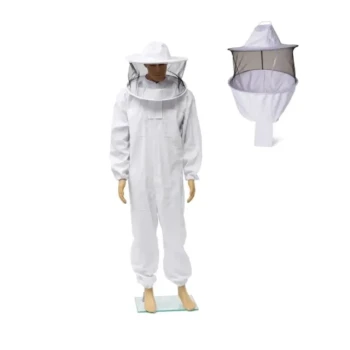
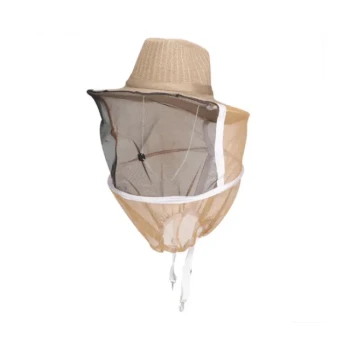
Professional beekeeping harvesting clothing functions as a critical hardware component within industrial apiary management, serving as far more than simple personal protective equipment (PPE). It provides a robust physical barrier against aggressive colonies, such as the African honey bee, which directly enables beekeepers to maintain high productivity and safeguard occupational health during intensive harvesting seasons.
Core Takeaway: Protective gear is an operational asset that converts physical safety into process efficiency. By neutralizing the threat of injury, it allows technicians to work with the necessary calm and precision required for complex colony management, preventing operational downtime and ensuring consistency in production.
The Operational Impact of Protective Gear
Ensuring Continuous Productivity
In an industrial setting, the speed and volume of operations are paramount. Professional harvesting clothing allows operators to work through intensive harvesting seasons without interruption.
By eliminating the fear of stings, the equipment ensures that inspection and extraction workflows remain continuous. This prevents the "stop-and-start" disruptions that occur when operators are forced to retreat from defensive colonies.
Facilitating Precision in Complex Tasks
High-strength fabrics and mesh veils provide the security needed to perform delicate manual operations. Tasks such as locating the queen bee, inspecting larval development, and removing burr combs require steady hands.
When operators are protected by a reliable biosafety barrier, they can focus entirely on the technical aspects of the job. This composure leads to fewer operational errors and more accurate assessments of hive health.
Synergy with Management Tools
Protective gear works in tandem with other tools, specifically the bee smoker. While the clothing provides physical isolation, the smoker induces a sedated state in the bees by inhibiting alarm pheromones.
This combination creates a controlled environment, allowing for deep scientific beekeeping tasks—such as disease control and artificial swarming—to be conducted safely and effectively.
Managing Biological and Personnel Risks
Safeguarding Occupational Health
The primary reference highlights that protective gear is essential for reducing operational risks. Beyond immediate injury prevention, it prevents long-term health issues related to venom exposure.
Furthermore, adequate protection prevents the neglect of colonies. Without proper gear, technicians may hesitate to manage aggressive hives, leading to abandonment or unmonitored disease outbreaks.
Minimizing Colony Stress
There is a direct link between operator safety and bee welfare. When an operator is calm and protected, their movements are smoother and less erratic.
This reduces the overall disturbance to the hive, minimizing the stress response of the bees. Lower stress levels in the colony help maintain natural biological activities and prevent the escalation of defensive behavior.
Understanding the Trade-offs
Dexterity vs. Protection
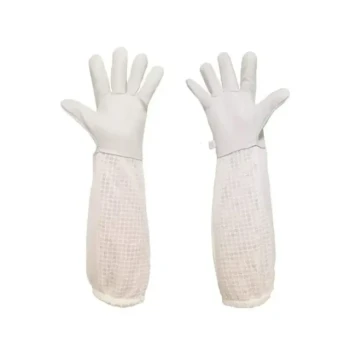
While thick gloves and puncture-resistant materials offer maximum safety, they can reduce tactile sensitivity. This lack of dexterity can make handling fragile frames or performing fine motor tasks, such as grafting larvae, more difficult.
Heat Management
Full-body protection, including coveralls and veils, creates a microclimate that can trap heat. During peak harvesting seasons, which often coincide with high temperatures, this can lead to operator fatigue or heat stress if not managed with breathable materials or scheduled breaks.
Making the Right Choice for Your Goal
To maximize the value of your equipment, align your gear selection with your specific operational focus.
- If your primary focus is Intensive Harvesting: Prioritize heavy-duty suits with high-strength fabrics to maintain speed and confidence when working with aggressive Africanized colonies.
- If your primary focus is Scientific Inspection: Opt for gear that balances protection with mobility, specifically choosing gloves that allow for high dexterity to handle queens and larvae gently.
Effective apiary management relies on protective gear not just for safety, but as a prerequisite for professional, consistent, and confident execution of tasks.
Summary Table:
| Operational Category | Key Function of Protective Gear | Strategic Benefit |
|---|---|---|
| Productivity | Neutralizes stings from aggressive colonies | Ensures continuous, uninterrupted harvest workflows |
| Precision | Provides a secure biosafety barrier | Enables calm, accurate queen handling and hive inspections |
| Health & Safety | Prevents venom exposure and injury | Reduces occupational risks and prevents colony neglect |
| Bee Welfare | Promotes smooth operator movements | Minimizes hive stress and maintains natural colony behavior |
| Management | Synergizes with smokers and tools | Creates a controlled environment for complex technical tasks |
Elevate Your Commercial Apiary with HONESTBEE
At HONESTBEE, we understand that professional beekeeping gear is a critical operational asset for industrial apiaries and distributors. We provide a comprehensive wholesale range of high-performance beekeeping tools, machinery, and equipment—from puncture-resistant protective suits to industrial honey-filling machines and hive-making hardware.
Our solutions are designed to enhance your productivity while safeguarding your team. Contact us today to discover how our premium equipment and essential consumables can scale your beekeeping operations and drive your business forward.
References
- Verina Ingram, Justin Njikeu. Sweet, Sticky, and Sustainable Social Business. DOI: 10.5751/es-03930-160137
This article is also based on technical information from HonestBee Knowledge Base .
Related Products
- Beekeeping Jacket with Hood and Veil for Beekeepers
- White Cotton Beekeeping Jacket and Veil for Bee Keepers
- Vented Beekeeping Jacket with Hood and Veil for Beekeepers
- Professional Beekeeper Suit with Square Folding Cotton Veil
- Economy Polyester Beekeeping Jacket with Veil and Hat
People Also Ask
- What factors should a new beekeeper consider when choosing between a jacket and a full suit? Security vs. Comfort
- What are the pros of using a beekeeping jacket? Unlock Superior Comfort and Mobility for Your Apiary
- What are the features of an economical beekeeping jacket? Essential Protection for Budget-Conscious Beekeepers
- When is a beekeeping jacket considered a more suitable choice than a full suit? Optimize Your Apiary Mobility
- What are the advantages of a beekeeping jacket? Superior Mobility & Comfort for Routine Hive Inspections