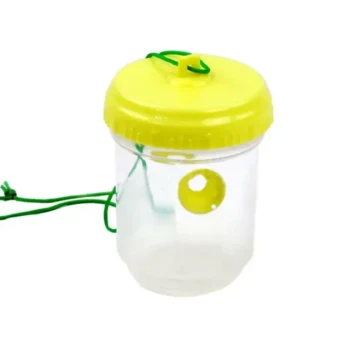
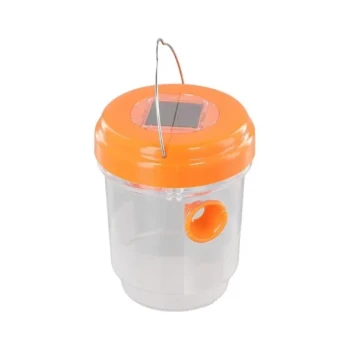
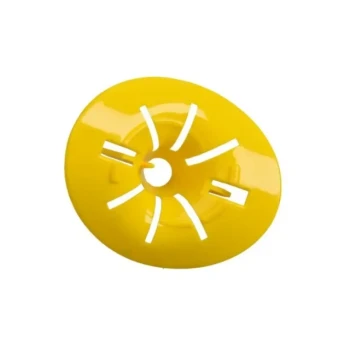
The specific color configuration of a hornet trap acts as a critical biological trigger that significantly enhances the device's efficiency. By utilizing high-saturation yellow on components such as the lid or base, the trap leverages chromotropism—the innate tendency of hymenopteran insects (like hornets) to move toward specific colors. This visual cue does not work in isolation; instead, it serves as a guidance system that directs the insect to the source of the chemical attractant.
The most effective traps rely on a "composite attraction" mechanism. While olfactory cues (smell) may alert the hornet to food presence, the yellow color configuration provides the necessary visual confirmation to guide the insect through complex environments and into the capture zone.
The Mechanics of Chromotropism
Exploiting Biological Hardwiring
Hornets and similar insects possess a biological trait known as chromotropism. This is a natural, instinctual attraction to specific wavelengths of light.
The Importance of High Saturation
The primary reference highlights that effective traps use high-saturation yellow. This specific intensity ensures the color registers strongly with the insect's visual receptors, triggering an immediate approach response.
Creating a Visual Beacon
In a natural setting, a trap must compete with foliage, shadows, and other visual distractions. The bright yellow components allow the trap to stand out against these backgrounds, ensuring it is recognized as a point of interest.
The Composite Attraction Strategy
Synergizing Sight and Smell
A trap relying solely on color or solely on scent is less effective than one using both. The yellow components provide visual input that complements the olfactory cues released by the chemical bait.
Guiding the Final Approach
Chemical scents are often carried by the wind, creating a dispersed plume that can be difficult for an insect to pinpoint exactly. The yellow coloration acts as a precise target, bridging the gap between detecting a scent and locating the physical device.
Expanding Coverage Area
By adding a strong visual element, the trap increases its effective "catch radius." The visual recognition capability allows hornets to spot the device from a greater distance than they might if relying on scent trails alone.
Understanding the Trade-offs
Non-Target Attraction
It is important to note that chromotropism is common among many hymenopteran insects, not just pests. High-saturation yellow can inadvertently attract beneficial pollinators, such as bees, if the chemical lure is not sufficiently selective.
Dependence on Ambient Light
The attraction mechanism described relies heavily on visual recognition. Consequently, the effectiveness of the yellow configuration is diminished in low-light conditions or after dusk, where the trap must rely almost exclusively on olfactory cues.
Making the Right Choice for Your Goal
To maximize the effectiveness of this color configuration, consider how you position the trap relative to the environment.
- If your primary focus is maximizing capture range: Ensure the yellow components are positioned in direct line-of-sight, avoiding dense foliage that might obscure the visual beacon.
- If your primary focus is rapid detection: Place the trap in sunny, well-lit areas where the high-saturation yellow can reflect the most light and create the strongest contrast.
By understanding that color is a functional guidance system rather than a decoration, you can place traps where their visual mechanics will perform best.
Summary Table:
| Feature | Function in Hornet Attraction | Strategic Benefit |
|---|---|---|
| High-Saturation Yellow | Triggers biological chromotropism | Ensures strong visual registration and immediate response |
| Visual Beaconing | Creates contrast against natural foliage | Increases effective catch radius and visibility from distance |
| Composite Strategy | Synergizes visual and olfactory cues | Bridges the gap between scent detection and precise targeting |
| Guidance System | Directs insects to the capture zone | Maximizes trap entry rates by providing a clear focal point |
Scale Your Apiary Success with Professional-Grade Solutions
Protecting your hives from pests like hornets is critical for maintaining a productive apiary. HONESTBEE specializes in supporting commercial apiaries and distributors by providing the industry's most comprehensive range of beekeeping tools, machinery, and essential consumables.
From advanced hornet management tools to specialized hive-making and honey-filling machines, our portfolio is designed to enhance your operational efficiency and market reach. Whether you are scaling a commercial operation or seeking high-quality wholesale equipment, we deliver the value and reliability your business demands.
Ready to elevate your beekeeping business? Contact HONESTBEE today for wholesale inquiries and expert equipment solutions
References
- Sandra V. Rojas‐Nossa, Josefina Garrido. Comparison of Effectiveness and Selectiveness of Baited Traps for the Capture of the Invasive Hornet Vespa velutina. DOI: 10.3390/ani14010129
This article is also based on technical information from HonestBee Knowledge Base .
Related Products
- Compact Multi-Funnel Hanging Wasp Trap
- Reusable Aluminium Beetle Trap for Small Hive Beetles Silver Bullet
- Removable Washable Hive Beetle Trap Attractants for Small Hive Beetles
- HONESTBEE Professional Telescopic Pole Bee Swarm Catcher
- HONESTBEE Collapsible Tiered Bee Swarm Catcher for Beekeeping
People Also Ask
- What are the practical advantages of using professional wasp traps and protective equipment in apiary management? Scale Up
- Why replace sugar syrup bait in wasp traps every three days? Ensure Maximum Attraction and Catch Rates
- What is the importance of deploying hornet traps around an apiary for maintaining colony stability? Protect Your Yields.
- What are the advantages of placing hornet traps on the tops of beehives? Maximize Hive Defense Against Predators
- What trapping methods and equipment setups protect commercial apiaries against seasonal hornet predation?