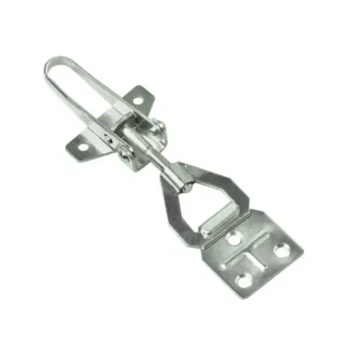
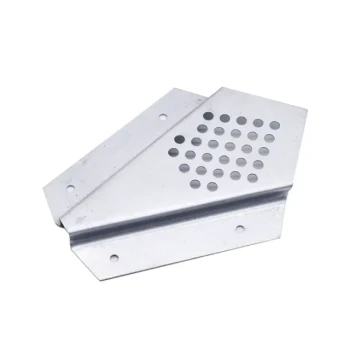
Effective hive protection during pesticide application requires a synchronized approach involving physical isolation and internal resource management. Hive entrance closure mechanisms serve as a hard barrier to stop bees from foraging in toxic environments, effectively preventing direct exposure. Meanwhile, internal water feeders maintain the colony's ability to regulate temperature and stay hydrated while they are unable to access natural water sources.
Entrance closures isolate the colony from external chemical threats, but internal water feeders are essential to prevent the hive from collapsing due to heat stress and dehydration during this necessary confinement.
The Mechanics of Colony Defense
To understand how to protect a hive, you must address two distinct threats: the external poison and the internal heat generated by a confined colony.
The Barrier Against Toxicity
Hive entrance closure mechanisms act as the primary line of defense. Their specific role is to create a physical blockade during periods of peak pesticide toxicity.
By preventing bees from exiting the hive, these mechanisms stop foragers from visiting treated areas. This intervention directly prevents mass mortality caused by contact with harmful chemicals in the field.
Sustaining Life During Confinement
Once a hive is sealed, the colony is cut off from its water supply. Internal water feeders are deployed to fill this gap.
Their role is twofold: hydration and thermoregulation. Bees use water to cool the hive through evaporation; without an internal source during confinement, the colony risks overheating.
The Synergy of Hardware
These two components must be viewed as an integrated system rather than isolated tools.
The closure mechanism solves the problem of exposure but introduces the problem of resource isolation. The water feeder solves the isolation problem, ensuring the "cure" (confinement) does not become fatal itself.
Understanding the Risks of Partial Protection
It is critical to recognize that using these tools in isolation can lead to failure.
The Trade-off of Sealing a Hive
Sealing a hive without providing internal water creates a dangerous environment. A confined colony generates significant heat, and without water for evaporative cooling, the internal temperature can rise rapidly.
This leads to secondary death risks, where bees survive the pesticide but die from heat stress or dehydration. The protection strategy is only effective when the internal environment is actively managed.
Implementing a Defensive Strategy
To ensure colony survival during chemical treatments, you must balance exclusion with life support.
- If your primary focus is preventing direct poisoning: Utilize entrance closure mechanisms to strictly bar bees from foraging during peak toxicity windows.
- If your primary focus is colony survival during lockdown: You must install internal water feeders to facilitate thermoregulation and prevent dehydration-induced collapse.
By coordinating these hardware components, you protect the colony from external threats without creating an internal crisis.
Summary Table:
| Component | Primary Function | Problem Solved | Critical Benefit |
|---|---|---|---|
| Entrance Closure | Physical Isolation | External chemical contact | Prevents mass foraging mortality |
| Internal Water Feeder | Resource Management | Dehydration & Overheating | Enables thermoregulation during lockdown |
| Combined System | Integrated Defense | Resource isolation risks | Ensures survival without internal collapse |
Secure Your Apiary Against Chemical Threats with HONESTBEE
Protecting your commercial colonies requires professional-grade equipment that balances safety with survival. HONESTBEE specializes in supporting commercial apiaries and distributors with high-quality, durable hardware designed for the rigors of modern beekeeping.
From advanced hive-making machinery to essential internal water feeders and entrance closures, we provide the full spectrum of tools needed to safeguard your bees and maximize productivity. Our comprehensive wholesale offering includes everything from specialized hive hardware to honey-themed cultural merchandise.
Don't let pesticide cycles compromise your colony health. Contact HONESTBEE today to access premium wholesale beekeeping equipment and expert solutions tailored to your business needs.
References
- Tatyana Skvortsova, Sergey Boldyrev. Damage assessment of environmental contaminants in apiary honey bee (Apis mellifera) colonies. DOI: 10.1051/bioconf/202519401080
This article is also based on technical information from HonestBee Knowledge Base .
Related Products
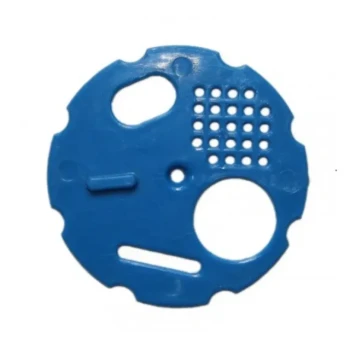
- Steel Round Disc Entrance Reducer for Flexzion Bee Hive Nuc Box Gate
- Professional Reversible Beehive Hive Entrance
- Multi-Functional Sliding Hive Entrance for Beekeeping
- Beehive Entrance Reducer Guardian Metal Hive Entrance for Bees
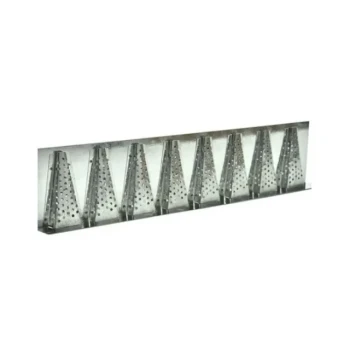
- 8-Cone Galvanized Steel Bee Robber Guard
People Also Ask
- What is the purpose of an entrance reducer for a beehive? Strengthen Colony Defense and Prevent Robbery
- Why are entrance reducers used to counter hornet infestations? Protect Your Hive with Strategic Choke Points
- Why is it critical to maintain a smaller entrance for a newly established bee hive? Boost Colony Growth and Security
- What is the function of an entrance reducer on a beehive? Strengthen Colony Defense and Climate Control
- Under what conditions should a beekeeper adjust the size of a beehive entrance? Seasonal & Defense Management Tips