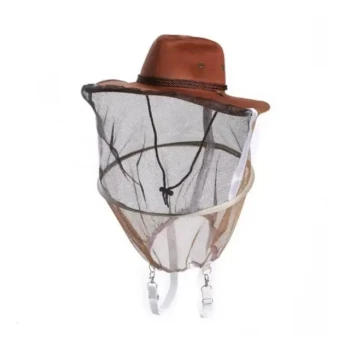
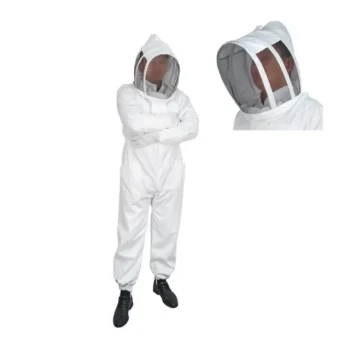
Protective equipment and bee smokers are the dual pillars of safe beekeeping, functioning simultaneously to shield the operator and stabilize the colony’s behavior. While protective gear acts as a physical barrier to ensure handling precision and safety, bee smokers serve as a physiological tool that disrupts defensive communication within the hive, enabling essential management tasks.
Core Insight Successful apiary management relies on minimizing stress for both the beekeeper and the bees. The combination of physical protection and pheromone disruption allows for detailed hive inspections and pest control by neutralizing the colony's collective defense mechanisms before they escalate.
The Strategic Role of Protective Equipment
Ensuring Physical Safety and Psychological Composure
The most immediate function of professional equipment—such as one-piece suits, veils, and gloves—is to provide a reliable physical barrier against stings.
Beyond preventing injury, this protection reduces the psychological stress of the operator. When a beekeeper is confident they are safe from stings, they can work with greater composure, minimizing sudden movements that might further agitate the colony.
Enabling High-Precision Management
The stability provided by protective gear allows for more frequent and detailed hive operations.
Because the operator is protected, they can focus on complex tasks such as inspecting the queen bee, assessing brood health, or performing pest control treatments. Without this protection, the risk of injury would likely rush these delicate procedures, potentially compromising management standards.
Preventing Disease Transmission
Protective gear plays a critical role in biosecurity.
Sanitizing gear before entering the apiary is essential to remove potential pathogens or parasites picked up during storage or previous use. This practice prevents the mechanical transmission of diseases between colonies, particularly during the vulnerable spring development period.
The Biological Mechanism of Bee Smokers
Disrupting Alarm Pheromones
The primary function of a bee smoker is to generate cool smoke that interferes with the colony's communication network.
Honeybees rely on alarm pheromones to coordinate attacks. Smoke masks these chemical signals, effectively suppressing the collective transmission of aggression and preventing the hive from entering a fully defensive state.
Inducing a Calmer State
Smoke triggers a survival instinct in honeybees, often causing them to gorge on honey.
This feeding response makes the bees more docile and less physically capable of stinging effectively. This induced calm is crucial for maintaining colony stability during invasive procedures like product harvesting or hive migration.
Mitigating Environmental Aggression
Smokers are particularly vital when dealing with colonies exhibiting increased aggression due to environmental stressors, such as loud noises or weather changes.
By suppressing attack tendencies, high-efficiency smokers provide a safety buffer that allows beekeepers to perform damage assessments or maintenance even when external conditions have made the bees naturally more defensive.
Operational Considerations and Trade-offs
The Importance of Smoke Temperature
It is critical that the smoker generates cool smoke, not hot smoke or flames.
While smoke is necessary for sedation, high temperatures can injure the bees or singe their wings. The goal is to gently disrupt pheromones, not to physically harm the colony or trigger a panic response due to heat.
Equipment Maintenance and Hygiene
Reliance on protective gear requires a strict adherence to cleaning protocols.
If suits and gloves are not sanitized regularly, they become vectors for disease. The protection of the operator should not come at the cost of cross-contaminating the apiary with pathogens carried on the fabric or leather of the equipment.
Making the Right Choice for Your Goal
To maximize the effectiveness of your beekeeping operations, align your equipment usage with your specific management objectives:
- If your primary focus is thorough colony inspection: Prioritize high-quality, full-body PPE to eliminate the fear of stings, allowing you the patience required to locate the queen or identify early signs of pests.
- If your primary focus is rapid intervention or harvesting: Utilize a smoker to generate cool smoke immediately before opening the hive; this disrupts alarm pheromones early, preventing the colony from organizing a defense.
- If your primary focus is biosecurity: Implement a strict sanitization routine for all protective gear to ensure you are not acting as a carrier for pathogens between hives.
Ultimately, protective gear and smokers are not just safety tools; they are control instruments that allow you to dictate the pace and precision of hive management.
Summary Table:
| Equipment Type | Primary Function | Key Benefit |
|---|---|---|
| Protective PPE | Physical barrier (Suits, Veils, Gloves) | Enables precision and reduces operator stress |
| Bee Smoker | Disrupts alarm pheromones via cool smoke | Neutralizes hive aggression and induces docility |
| Sanitized Gear | Biosecurity and hygiene management | Prevents mechanical transmission of bee pathogens |
| High-Efficiency Tools | Environmental stress mitigation | Allows safe operation during adverse weather conditions |
Elevate Your Apiary with HONESTBEE Professional Solutions
At HONESTBEE, we specialize in empowering commercial apiaries and distributors with the tools needed for safe and efficient hive management. Whether you require premium full-body protective suits, high-efficiency bee smokers, or industrial-grade hive-making and honey-filling machinery, our comprehensive wholesale portfolio has you covered.
Why partner with HONESTBEE?
- Full Spectrum Supply: From essential consumables to specialized hardware.
- Commercial Expertise: Tailored offerings for large-scale operations and distributors.
- Proven Quality: Tools designed for precision, durability, and maximum colony stability.
Ready to scale your beekeeping business? Contact us today to explore our wholesale catalog!
References
- Panţa Nancy Diana. The Triple Layered Business Model Canvas Meets the Beekeeping Sector. General and Particular Considerations from the Romanian Industry. DOI: 10.2478/sbe-2020-0046
This article is also based on technical information from HonestBee Knowledge Base .
Related Products
- Premium Cowboy Beekeeper Hat with Visibility Veil Outdoor Professional Beekeeping Protective Gear
- European Stainless Steel Bee Smoker for Honey Bee Hive
- Stainless Steel Honey Bee Smoker Hive and Honeycomb Smoker for Beekeeping
- Professional Bee Smoker with Elongated Spout and Durable Bellows for Beekeeping
- White Cotton Beekeeping Jacket and Veil for Bee Keepers
People Also Ask
- What design features contribute to the stability and fit of the beekeeper hat? Key Features for Maximum Hive Safety
- How is the beekeeper hat designed for comfort and practicality? Explore Key Features for Enhanced Apiary Safety
- What is the general protective gear recommendation for new beekeepers? Your Essential Beginner's Safety Guide
- How does beekeeping protective gear facilitate the queen bee selection process? Enhancing Precision in Queen Breeding
- What should beekeepers consider when choosing protective gear? A Guide for Maximum Safety & Comfort