Wax queen cups and artificial queen cells are the fundamental biomimetic foundations of modern apiculture. These specialized consumables serve as the physical carriers and biological triggers required to transform standard larvae into reproductive queens. By replicating natural hive conditions, these tools allow for large-scale, standardized queen production and efficient royal jelly collection.
These biomimetic tools act as a "biological signal" that induces nurse bees to secrete royal jelly, providing the high-nutrient environment necessary for queen development. They ensure structural integrity during pupation and are essential for achieving high acceptance rates in commercial rearing operations.
Biomimetic Design and Larval Development
Replicating Natural Hive Conditions
Artificial queen cells are engineered to mimic the geometric shape and base structure of natural queen cells built by honeybees. This biomimetic design is critical because it induces the "rearing impulse" in nurse bees, ensuring they recognize the grafted larvae as potential queens.
Physical Support and Protection
These cups act as a protective shell throughout the pupation and eclosion stages. By holding the necessary diet for consumption and fixing the spatial position of the larvae, they ensure the developing queen maintains a sound physical structure until she emerges.
Driving Scalable Queen Production
Triggering the Physiological Transition
When these specialized cups are introduced into a colony, they stimulate worker bees to begin secreting large quantities of royal jelly. This intensive feeding is what triggers the physiological transition from a standard worker larva into a reproductive queen bee.
Facilitating Large-Scale Operations
Specialized artificial cells allow for the simultaneous cultivation of dozens of queen bees within a single "cell builder" colony. This scalability is vital for commercial apiaries that require hundreds of queens to be produced on a strict seasonal schedule.
Professional Supply Chain Advantages
Standardizing Quality Control
For distributors and large-scale producers, these tools provide a method for accurate statistical tracking of larval acceptance rates. Using standardized consumables ensures that results are repeatable across different colonies and breeding cycles.
Efficiency in Royal Jelly Harvesting
Beyond queen production, these cups serve as primary containers for the collection of royal jelly. Their standardized size and compatibility with grafting frames make the extraction process more efficient and labor-effective for professional operations.
Understanding the Trade-offs
Material Selection: Wax vs. Plastic
While wax cups offer the highest acceptance rates due to their natural scent and texture, they are more fragile and labor-intensive to prepare. Plastic alternatives offer higher durability and reuse potential but may require "seasoning" in the hive to achieve comparable acceptance results.
Precision in Grafting
The effectiveness of the queen cell is heavily dependent on the precision of the grafting process. Even the highest quality artificial cell cannot compensate for damaged larvae or poor timing, making professional expertise a prerequisite for success.
Strategic Sourcing for Your Inventory
Professional beekeeping operations require a reliable partner who can provide a comprehensive, full-spectrum product portfolio with rapid fulfillment. Choosing the right supply partner ensures that your customers have access to the deep industry expertise and premium tools needed for successful queen rearing.
- If your primary focus is Maximum Acceptance Rates: Prioritize high-quality wax queen cups that closely replicate the natural chemical and physical environment of the hive.
- If your primary focus is Operational Scalability: Invest in standardized plastic cell systems that integrate seamlessly with grafting frames and cages for high-volume output.
- If your primary focus is Royal Jelly Production: Source specialized wide-mouth artificial cells designed specifically for easy nutrient access and mechanical harvesting.
Equipping your clients with the right biomimetic tools ensures they can achieve the precision and scale necessary for a thriving modern apiary.
Summary Table:
| Feature | Wax Queen Cups | Plastic Artificial Cells |
|---|---|---|
| Acceptance Rate | Superior (Natural scent/texture) | High (May require hive seasoning) |
| Durability | Low (Fragile/One-time use) | High (Reusable and robust) |
| Best Use Case | Premium queen breeding | High-volume scaling & Royal Jelly |
| Main Benefit | Maximum biomimetic stimulation | Operational standardization |
| Preparation | Labor-intensive | Efficient & ready-to-use |
Scale Your Beekeeping Business with HONESTBEE
Are you looking to streamline your inventory with high-performance queen rearing supplies? HONESTBEE is the premier partner for commercial apiaries and B2B distributors worldwide. We provide a comprehensive one-stop sourcing solution, ranging from high-acceptance wax cups and plastic cell systems to advanced honey-filling machinery and specialized hive-making tools.
Why partner with us?
- Full-Spectrum Portfolio: Access everything from essential consumables to industrial beekeeping hardware.
- Reliable Supply Chain: Benefit from ultra-fast delivery and efficient order fulfillment to keep your shelves stocked.
- Expert Support: Leverage our deep professional industry expertise and rapid-response customer service.
- B2B Focused: We offer competitive wholesale pricing and premium trading services tailored for distributors and resellers.
Ready to enhance your product offering and boost your profit margins? Contact HONESTBEE today to request a quote or catalog!
References
- Amal Abdelmawla, Zhi Jiang Zeng. Feeding Asian honeybee queens with European honeybee royal jelly alters body color and expression of related coding and non-coding RNAs. DOI: 10.3389/fphys.2023.1073625
This article is also based on technical information from HonestBee Knowledge Base .
Related Products
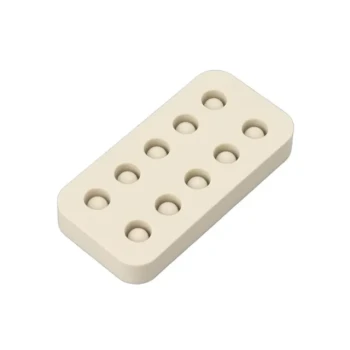
- 10-Cell Silicone Beeswax Bee Queen Cups Forming Mold
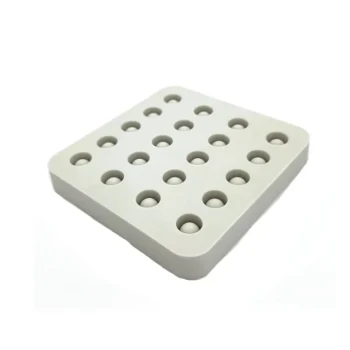
- High-Efficiency 20-Cell Silicone Mold for Beeswax Bee Queen Cup Production
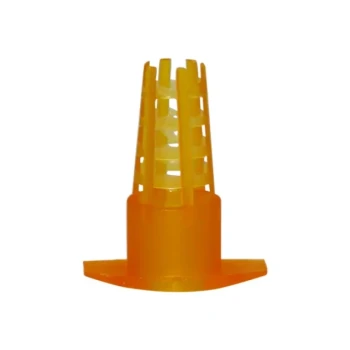
- Brown Nicot Queen Cell Cups for Breeding Queen Bees Beekeeping
- JZBZ Type Wide Base Plastic Queen Cell Cups for Base Mounting and Queen Rearing
- Clear Black Plain Polystyrene Queen Bee Grafting Cell Cups No Lug for Bee Queen Cup
People Also Ask
- How do beeswax queen cell cups function? Optimize Queen Rearing with Biological Mimicry
- What is the biological function of beeswax queen cell cups? Boost Acceptance in Artificial Queen Rearing
- What role do specialized queen rearing tools play in developing mite-resistant honeybee stock? Master Genetic Selection
- What materials are used to make artificial queen cell cups for grafting? Beeswax vs. Plastic Guide
- What roles do specialized queen cell cups play in royal jelly production? Optimize Your Hive's Secretion and Yield