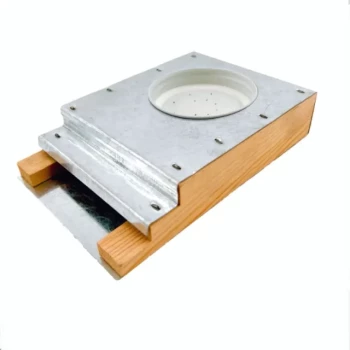
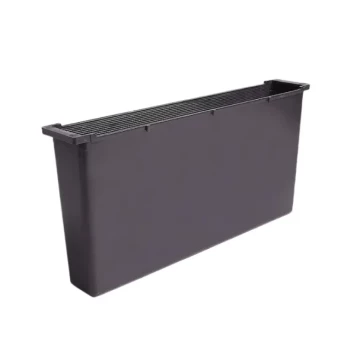
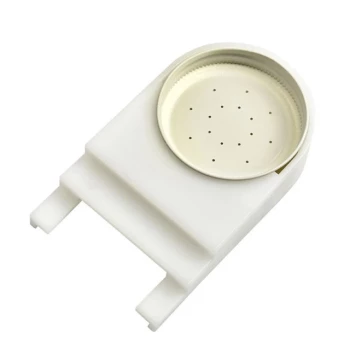
If your contact feeder is too deep to fit under the hive roof, the immediate solution is to add an empty super to the stack. Placing this box directly above the crownboard creates a protective enclosure that accommodates the height of the feeder while allowing the roof to close securely.
The goal is to gain vertical clearance without compromising the hive's seal. Using a super as a spacer allows you to use larger capacity feeders while keeping the colony secure from outside threats.
Creating the Necessary Clearance
Utilizing an Empty Super
You do not need specialized equipment to solve a height issue with a tall contact feeder. An empty honey super acts as a perfect "eke" or spacer for this purpose.
Proper Positioning
Place your crownboard on top of the brood box as you normally would. Position the feeder over the feed hole to ensure bees have access to the syrup.
Once the feeder is in place, set the empty super on top of the crownboard. This surrounds the feeder, protecting it and providing a level surface for the roof.
Critical Security Considerations
The Danger of Gaps
When modifying the hive configuration, you must remain vigilant about the seal. It is crucial to ensure the roof fits properly over the added super.
Preventing Robbing Behavior
The primary risk during feeding is robbing. This occurs when bees from other colonies smell the syrup and attempt to steal it.
If your roof does not fit flush against the super, the resulting gaps allow the scent of syrup to escape. This invites intruder bees, which can overwhelm your colony and deplete their resources.
Ensuring a Secure Feeding Environment
To successfully feed your colony without inducing stress or theft, follow these guidelines:
- If your primary focus is Equipment Configuration: Place an empty super above the crownboard to house the feeder and support the roof.
- If your primary focus is Colony Safety: Inspect the perimeter of the roof and super for gaps to prevent robbing by rival bees.
By ensuring a tight seal around your feeder, you provide your bees with essential nutrition while keeping competitors locked out.
Summary Table:
| Component | Action/Role | Importance |
|---|---|---|
| Empty Super | Acts as a vertical spacer (eke) | Houses tall feeders so the roof can close |
| Crownboard | Positioned under the super | Provides feeder access while insulating the brood |
| Roof Seal | Must fit flush against the super | Prevents the scent of syrup from escaping |
| Robbing Prevention | Elimination of gaps | Keeps intruder bees and pests from attacking the colony |
Maximize Your Apiary Efficiency with HONESTBEE
Managing large-scale feeding operations requires the right equipment and expert configurations. At HONESTBEE, we specialize in supporting commercial apiaries and distributors with a comprehensive wholesale range of professional beekeeping tools.
Whether you need precision hive-making machinery, high-capacity honey-filling machines, or essential industry consumables, our portfolio is designed to enhance your productivity and colony safety.
Ready to scale your beekeeping business? Contact our specialist team today to discover how our premium hardware and honey-themed merchandise can add value to your distribution network.
Related Products
- Rapid Bee Feeder White Plastic 2L Round Top Feeder for 8 or 10-Frame Bee Hives
- White Plastic 0.5L Beekeeping Entrance Feeder for Bees
- HONESTBEE Entrance Bee Feeder Professional Hive Nutrition Solution for Beekeeping
- HONESTBEE Professional Entrance Bee Feeder Hive Nutrition Solution
- Boardman Entrance Bee Feeder Durable Galvanized Steel and Wood Construction for Beekeeping
People Also Ask
- What should be done with feeders and equipment after feeding bees? Essential Steps for Apiary Health
- What should be done if feed in a feeder is not consumed by the bees? Prevent Hive Mold with Prompt Feed Management
- What is the necessity of specialized internal or entrance feeders? Secure Your Hive with Professional Feeding Tools
- How do bee feeders work to preserve colony health during nectar shortages? Essential Guide for Beekeepers
- How quickly does a medium to strong colony usually empty a feeder? A Beekeeper's Guide to Hive Health