Implementing a top entrance requires critical attention to brood nest connectivity and thermal management. specifically, if you utilize a queen excluder, you must ensure there is a secondary exit below it to prevent trapping drones and virgin queens. Furthermore, while top entrances aid ventilation, their necessity depends heavily on your hive's insulation strategy.
Core Takeaway Top entrances offer significant advantages for ventilation and foraging efficiency, but they introduce a fatal risk if used with queen excluders. You must maintain a lower exit to allow drone egress and queen mating flights; otherwise, you risk colony failure and sanitation issues.
Managing Hive Biology and Excluders
The most significant consideration when using a top entrance is how it interacts with the physical separation of the hive, particularly when a queen excluder is present.
The Drone Trap
If your primary entrance is above a queen excluder, drones hatched in the lower brood box become trapped. Being too large to pass through the excluder to reach the top exit, they cannot leave to defecate or mate.
This results in a buildup of dead drones inside the brood chamber. This creates unsanitary conditions and unnecessary stress for the colony's housekeeping bees.
Reproductive Risks
The stakes are even higher for the queen. If the colony attempts to supersede their queen or swarm, the new virgin queen must leave the hive to mate.
If she is trapped below an excluder with no alternative exit, she cannot take her mating flight. This renders her unable to lay fertilized eggs, eventually leading to the collapse of the colony.
Ventilation and Moisture Control
Top entrances are often used as a mechanical solution for moisture management, but this requirement varies based on your equipment.
Controlling Condensation
In uninsulated hives during winter, warm moist air rises and hits the cold inner cover, turning into condensation. A top entrance allows this moist air to escape before it condenses.
This prevents cold water from dripping back onto the winter cluster, which is a common cause of colony mortality in colder climates.
The Insulation Factor
If you utilize well-insulated hives, the internal walls remain warmer, making condensation significantly less likely.
Beekeepers with high-performance insulation often report success using only bottom entrances. in this context, a top entrance may be unnecessary and could simply result in the loss of valuable colony heat.
Operational Impacts
Adding an upper entrance changes the flow of traffic and resource management within the hive.
Direct Super Access
Top entrances allow foragers to bypass the brood nest completely. They can fly directly into the honey supers to deposit nectar.
This reduces congestion in the brood nest, potentially increasing the speed of nectar storage during a heavy flow.
Environmental Clearance
A distinct advantage of top entrances is resilience against physical blockage.
Bottom entrances are easily obstructed by snow drifts in winter or rapid vegetation growth in summer. Top entrances remain clear, ensuring consistent airflow and access.
Understanding the Trade-offs
While beneficial in specific contexts, top entrances introduce complications that must be weighed against their advantages.
Defense Complexity
Every new opening is a vulnerability. Creating multiple entry points forces the colony to divide its guard bees to defend against robbers, wasps, and other pests.
Weaker colonies may struggle to defend a top entrance, making them susceptible to robbing by stronger neighboring hives.
Pollen in Honey Supers
When bees have direct access to the upper boxes, they treat them as a primary entrance zone.
This often leads to bees storing pollen in the honey supers rather than the brood nest. This can complicate honey extraction and affect the clarity of the final product.
Making the Right Choice for Your Goal
The decision to use a top entrance should be dictated by your specific equipment and management goals.
- If your primary focus is preventing winter moisture: Use a top entrance if your hives are uninsulated to vent moist air and prevent dripping.
- If your primary focus is swarm management with excluders: You must maintain a bottom entrance (or a shim below the excluder) to allow drones and queens to escape.
- If your primary focus is colony defense: Avoid top entrances to minimize the perimeter the guard bees must protect.
Your setup must always account for the biological needs of the caste trapped below the excluder.
Summary Table:
| Feature | Key Consideration | Impact on Hive Health |
|---|---|---|
| Queen Excluders | Must provide secondary lower exit | Prevents drone buildup and queen mating failure |
| Moisture Control | Essential for uninsulated hives | Vents humid air to prevent cold condensation drips |
| Insulation | May make top entrance redundant | Retains heat; prevents wall condensation naturally |
| Colony Defense | Creates additional entry points | May increase risk of robbing in weaker colonies |
| Foraging Flow | Direct access to honey supers | Faster nectar storage but possible pollen in supers |
Maximize Your Apiary Productivity with HONESTBEE
Transitioning to advanced hive management requires the right tools. At HONESTBEE, we specialize in supporting commercial apiaries and distributors with a comprehensive wholesale range of professional-grade beekeeping equipment. From high-performance hive-making machinery and precision honey-filling systems to essential industry consumables and honey-themed merchandise, we provide everything you need to scale your operations.
Ready to elevate your beekeeping business? Our experts are here to provide tailored solutions for your specific climate and colony goals. Contact us today to explore our wholesale catalog and expert services.
Related Products
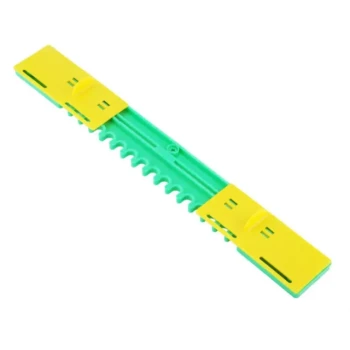
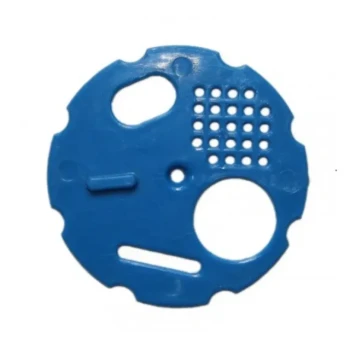
- Beehive Entrance Discs Plastic Bee Entrance Disc for Bee Hives
- Professional Reversible Beehive Hive Entrance
- Multi-Functional Sliding Hive Entrance for Beekeeping
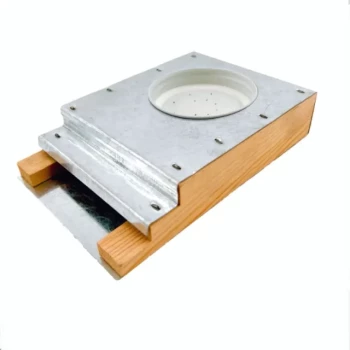
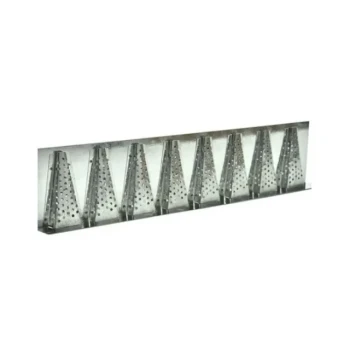
- Beehive Entrance Reducer Guardian Metal Hive Entrance for Bees
- Steel Round Disc Entrance Reducer for Flexzion Bee Hive Nuc Box Gate
People Also Ask
- What is the best entrance for a bee hive? Maximize Colony Health & Honey Production
- What happens if you block the entrance to a bee hive? Avoid This Dangerous Mistake
- How does entrance configuration vary seasonally for beekeepers? A Guide to Year-Round Hive Health
- Why adjust beehive entrance size for humidity? Boost Honey Ripening and Varroa Control in Commercial Apiaries
- How big should a beehive entrance be? Optimize for Colony Health & Honey Production