Ripstop nylon is widely considered an excellent fabric choice for beekeeping windbreakers and coveralls due to its protective mechanical properties. However, its primary drawback is that it can be too hot to wear comfortably during the peak of summer, as it lacks the breathability found in other materials.
The Core Insight: Ripstop nylon functions as a superior defensive layer because its slick surface prevents bees from gripping the fabric to sting, but this protection comes at the cost of air circulation and thermal regulation.
The Mechanics of Protection
Why Ripstop Nylon Works
The effectiveness of beekeeping gear often comes down to texture. Ripstop nylon provides a smooth, slippery surface that bees find difficult to navigate.
Preventing the Sting
To sting effectively, a bee usually needs to land and gain traction on the material. Because nylon makes it hard for bees to grip the fabric, it becomes mechanically difficult for them to insert their stinger, providing a high level of safety for the wearer.
Understanding the Trade-offs
The Thermal Downside
The specific drawback of ripstop nylon is its performance in high temperatures. The tight weave that protects against stings also acts as a barrier to airflow.
Breathability Issues
Unlike mesh or cotton, nylon is not breathable or absorbent. In hot weather, this traps body heat and sweat inside the suit, leading to rapid overheating. While excellent for cooler days or short inspections, it can be physically taxing during long sessions in the summer sun.
Making the Right Choice for Your Environment
When selecting beekeeping apparel, you must balance the need for durability against the climate you work in.
- If your primary focus is maximum sting prevention: Choose ripstop nylon for its durability and "slip" factor, which mechanically deters bees from stinging.
- If your primary focus is working in peak summer heat: Be cautious with nylon suits; you may need to limit your time in the apiary or seek alternatives like ventilated mesh to prevent heat exhaustion.
Select the material that keeps you safe not just from the hive, but from the environment as well.
Summary Table:
| Feature | Ripstop Nylon Performance | Impact on Beekeeping |
|---|---|---|
| Sting Protection | Excellent | Slick surface prevents bees from gripping and stinging. |
| Durability | High | Resistant to tearing and mechanical wear in the apiary. |
| Breathability | Low | Traps body heat; can lead to overheating in summer. |
| Texture | Smooth/Slippery | Mechanically deters bees from landing effectively. |
Elevate Your Apiary Operations with HONESTBEE
Are you looking to supply your team or customers with the highest quality protective gear? At HONESTBEE, we specialize in serving commercial apiaries and professional distributors with a comprehensive wholesale catalog.
From advanced beekeeping suits and tools to industrial-grade honey-filling machines and unique cultural merchandise, we provide the full spectrum of equipment needed to scale your business.
Maximize your safety and efficiency today. Contact us now to discuss our wholesale offerings and discover how our premium hardware and consumables can benefit your beekeeping enterprise.
Related Products
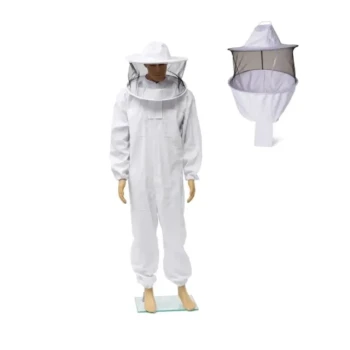
- Professional Beekeeper Suit with Square Folding Cotton Veil
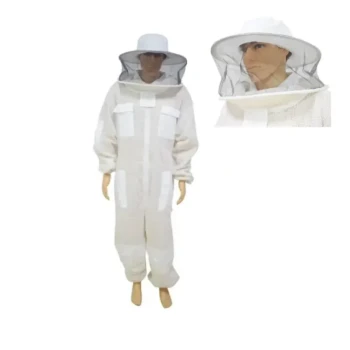
- Professional Cotton Beekeeper Suit with Round Veil Design for Commercial Apiaries
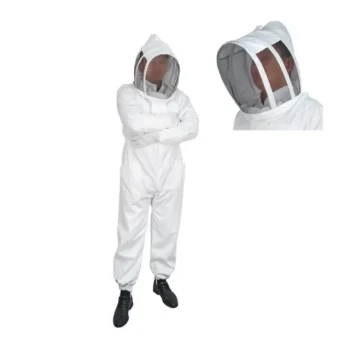
- Beekeeping Jacket with Hood and Veil for Beekeepers
- Premium Cotton Beekeeper Suit with Reinforced Fencing Veil
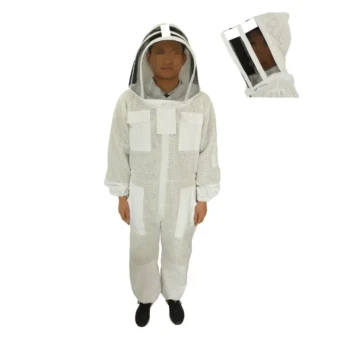
- Three-Layer Ventilated Beekeeper Suit with Structured Fencing Veil
People Also Ask
- What material and design specifications are recommended for a high-quality beekeeper suit? Top Gear Selection Guide
- Why is mobility crucial when wearing a beekeeping suit? Essential Fit Guide for Optimal Safety and Performance
- How does climate influence the choice of a beekeeping suit? Stay Safe and Comfortable in Any Weather
- How should a beekeeping suit be dried after it has been cleaned? Essential Tips to Preserve Your Protective Gear
- What features are important in a high-quality beekeeping suit? Maximize Protection & Comfort