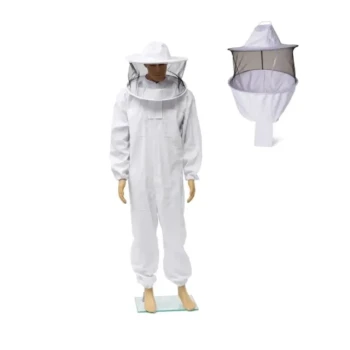
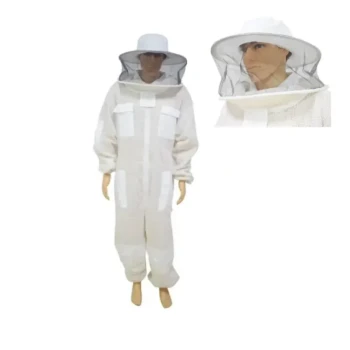
A beekeeping suit is recommended whenever a beekeeper lacks experience, is working with aggressive bee breeds, or performs invasive hive inspections. For beginners, wearing full protective gear is the standard advice until sufficient confidence and handling skills are developed.
The decision to wear a full suit is not binary; it is a calculation based on your experience level, the specific task, and the current temperament of the hive.
Assessing Your Experience Level
The Standard for Beginners
If you are new to apiculture, you should wear full protective gear every time you approach the hive.
A full suit helps novice beekeepers remain relaxed, which is crucial because nervousness can lead to clumsy movements that agitate bees.
Transitioning with Experience
As you gain experience, you may choose to wear less protection for quick, non-intrusive tasks.
Experienced beekeepers often feel comfortable working in regular clothes or just a veil when the bees are calm, reserving full suits for specific, high-risk situations.
Evaluating Hive Conditions
Breed Temperament
The breed of your bees is a major factor in determining necessary protection.
Bees with known aggressive traits, such as Africanized bees, require a full suit for safety. Conversely, more docile races like Italian bees may allow for lighter protective measures once you are familiar with their behavior.
Hive Agitation and Disturbance
Even docile bees can become defensive if the hive is being significantly disturbed or if environmental conditions have agitated them.
If the bees seem unusually aggressive or if you are performing invasive maintenance, a suit provides a necessary primary shield against stings.
Presence of Bystanders
Regardless of your personal comfort level, safety precautions should increase when visitors are present.
It is advisable to have protective gear available—and often worn—when demonstrating hive activities to others to ensure a controlled and safe environment.
Understanding the Trade-offs
Protection vs. Guarantee
It is critical to understand that a beekeeping suit is not an absolute guarantee against stings.
While it acts as a primary shield, stings can still penetrate the material, especially if the suit is pulled tight against the skin.
The Importance of Integrity
A suit is only effective if it is completely sealed and in good condition.
You must inspect your gear frequently for wear and tear, ensuring there are no gaps at the waist or holes where stinging insects can enter.
Maintenance and Cleanliness
A dirty or damaged suit can become a liability rather than a safety tool.
Suits should be washed with mild detergents to remove animal scents or oils that might agitate bees, and damaged parts like zippers must be replaced immediately to maintain the suit's seal.
Making the Right Choice for Your Goal
To determine the appropriate gear for your next hive visit, consider your primary objective:
- If your primary focus is learning and building confidence: Wear a full suit to minimize anxiety and ensure you can focus entirely on handling frames gently.
- If your primary focus is working with an unknown or aggressive hive: Prioritize maximum safety with a fully sealed suit and thick leather or latex gloves to prevent defensive stings.
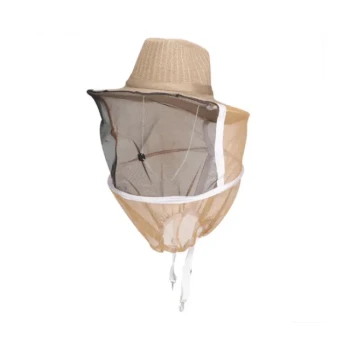
- If your primary focus is a quick, non-invasive check: You may opt for a hat and veil if you are an experienced keeper working with a docile breed.
Your safety gear is a tool that should adapt to the situation, ensuring you can work with confidence and respect for the colony.
Summary Table:
| Factor | Recommendation | Reason |
|---|---|---|
| Experience Level | Beginners: Full Suit | Minimizes anxiety and prevents stings during the learning phase. |
| Bee Breed | Aggressive Breeds: Full Suit | Vital protection against defensive behavior (e.g., Africanized bees). |
| Task Type | Invasive Inspections: Full Suit | High disturbance levels increase the likelihood of hive agitation. |
| Presence of Visitors | Mandatory Protection | Ensures safety for bystanders and maintains a controlled environment. |
| Quick Checks | Veil or Light Gear | Suitable for experienced keepers working with docile Italian bees. |
Elevate Your Apiary Safety with HONESTBEE
At HONESTBEE, we understand that the right protection is the foundation of confident beekeeping. Whether you are a commercial apiary scaling operations or a distributor seeking high-quality gear, we provide a comprehensive wholesale range of professional-grade beekeeping suits, heavy-duty gloves, and advanced protective equipment.
Beyond personal gear, our portfolio includes everything from specialized hive-making machinery to honey-filling systems and cultural merchandise designed to grow your business. Partner with us for reliable, industry-leading tools and consumables.
Ready to equip your business with the best? Contact us today to explore our wholesale catalog and customized solutions!
Related Products
- Professional Cotton Beekeeper Suit with Round Veil Design for Commercial Apiaries
- Premium Cotton Beekeeper Suit with Reinforced Fencing Veil
- Professional Beekeeper Suit with Square Folding Cotton Veil
- Vented Beekeeping Jacket with Hood and Veil for Beekeepers
- Three-Layer Ventilated Beekeeper Suit with Structured Fencing Veil
People Also Ask
- What material and design specifications are recommended for a high-quality beekeeper suit? Top Gear Selection Guide
- How to Pre-treat Propolis Stains on Beekeeping Suits? Master Advanced Fabric Care and Soil Removal
- Why is it important to keep a beekeeping suit clean? Essential Safety & Maintenance Tips
- Is it generally safe to wash a beekeeping suit in a washing machine? Maintain Your Safety Gear Properly
- What are the primary functional requirements for a beekeeping suit to ensure user safety? Professional Sourcing Guide