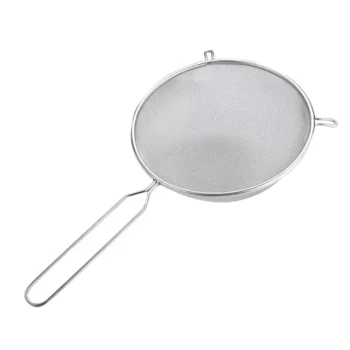
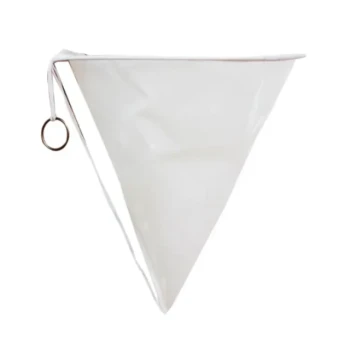
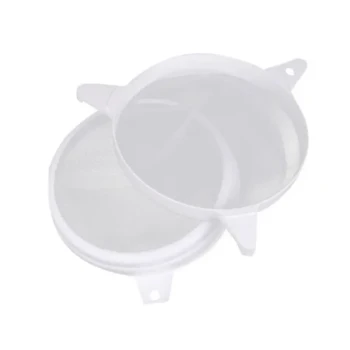
Filtration and purification equipment specifically addresses the physical removal of contaminants such as beeswax residues, larval debris, and bee remains from raw honey. By utilizing multi-stage filter screens or centrifuges, this machinery standardizes the physical state of the harvest, directly establishing the clarity and purity necessary for commercial distribution.
Core Insight: While the immediate function of this equipment is removing physical debris, its deeper value lies in stabilizing the product for the supply chain. It serves as the critical technical link that improves sensory quality, extends shelf life, and ensures the honey meets the rigorous entry requirements of high-end international markets.
Solving Physical Quality Challenges
Removing Particulate Matter
Raw honey naturally contains various impurities immediately after harvest. Filtration equipment utilizes multi-stage precision filters to systematically remove specific contaminants. This includes beeswax particles, larval debris, and other physical foreign bodies that compromise the texture and safety of the final product.
Establishing Visual Clarity
Consumer perception is heavily influenced by the visual appearance of the product. This processing step directly determines the clarity and purity of the honey. By eliminating cloudiness caused by suspended particles, producers can ensure the aesthetic consistency required for retail shelves.
Enhancing Commercial Viability
Extending Shelf Life
Biological stability is a major concern in post-harvest standardization. The removal of organic debris (such as bee remains) is vital for extending the shelf life of the honey. Proper purification reduces the risk of spoilage and fermentation associated with impure honey, allowing for longer storage and transport times.
Protecting Bioactive Value
Advanced industrial-grade equipment is designed to refine the honey without degrading its nutritional profile. The goal is to remove impurities without damaging bioactive components or natural aromas. This is particularly critical for medicinal nectar sources (such as Khaya senegalensis), where maintaining the chemical integrity of the honey increases its value as a functional food product.
Balancing Purity with Product Integrity
The Risk of Over-Processing
While purity is the goal, the process must be precise to avoid stripping the honey of its defining characteristics. The challenge lies in removing physical impurities while preserving the natural aroma and medicinal properties. Equipment must be calibrated to ensure that the rigorous cleaning process does not turn a premium, bioactive product into a generic sweetener.
Market Competitiveness and Trust
In a crowded market, physical purity serves as a proxy for overall quality. Professional filtration provides a physical guarantee of quality, which reinforces consumer trust. Research suggests that this trust is a primary driver in purchasing decisions, directly influencing the final retail pricing and brand value.
Making the Right Choice for Your Goal
To select the right filtration strategy, you must identify your primary market objective:
- If your primary focus is the High-End Retail Market: Prioritize equipment that maximizes visual clarity and sparkle to enhance consumer perception and justify premium pricing.
- If your primary focus is Functional or Medicinal Honey: Select precision equipment designed to remove debris while strictly preserving bioactive components and natural enzymes.
Summary: The correct application of filtration technology transforms raw harvest into a stable, commercial asset, bridging the gap between agricultural production and international quality standards.
Summary Table:
| Feature | Physical Issue Addressed | Impact on Quality |
|---|---|---|
| Multi-stage Filters | Beeswax, larvae, and bee debris | Ensures physical purity and safety |
| Centrifugation | Suspended particles and cloudiness | Establishes high visual clarity and sparkle |
| Precision Refining | Organic impurities and microbes | Extends shelf life and prevents fermentation |
| Calibrated Processing | Over-processing risks | Protects bioactive enzymes and natural aromas |
Elevate Your Honey Quality with HONESTBEE
At HONESTBEE, we specialize in empowering commercial apiaries and distributors with the high-performance machinery needed to meet international standards. From precision filtration and purification systems that guarantee visual clarity to advanced honey-filling machines, our comprehensive wholesale offering covers your entire production line.
Whether you are scaling your distribution or refining premium medicinal honey, our expert team provides the specialized hardware and industry consumables required to enhance your brand value and shelf life.
Ready to standardize your harvest and maximize market competitiveness?
Contact HONESTBEE Today for Custom Solutions
References
- Rezaldi Pramadha, Rahmad Hidayat. Analisis Laba Sosial Atas Investasi: Menyibak Asap Panen Madu Hutan Gambut untuk Kesejahteraan yang Lebih Cerah. DOI: 10.22146/jsds.2187
This article is also based on technical information from HonestBee Knowledge Base .
Related Products
- Electric Double Wall Honey Filtering Machine Purifier Equipment for Honey Processing Plant
- Professional Stainless Steel Honey Filtering Machine with Water Bath Heating for Beekeeping
- 0.5T Capacity Honey Dehumidifier Dryer with Vacuum Heating and Thickening Filtering Machine
- Professional Stainless Steel Honey Filter with Support Handle
- Honey Concentrating and Filtering Dehumidifier Machine 2T Capacity for Honey
People Also Ask
- What is the process of filtering honey? A Guide to Clean, Pure, and Market-Ready Honey
- What types of equipment are used in honey filtering? Build an Efficient System for Pure, Marketable Honey
- What is the overall importance of using the right equipment in honey filtering? Boost Quality & Marketability
- What are the benefits of drying honey filtering equipment after use? Protect Your Honey Quality & Equipment Investment
- What steps are involved in maintaining honey filtering equipment? A Guide to Protecting Your Honey Quality