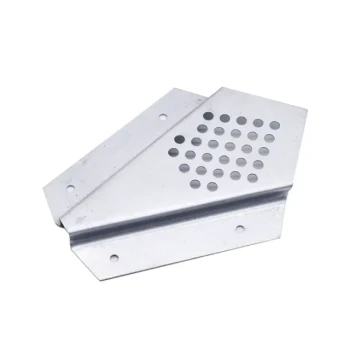
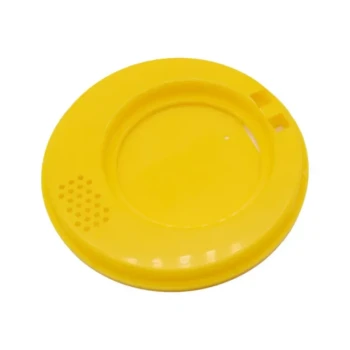
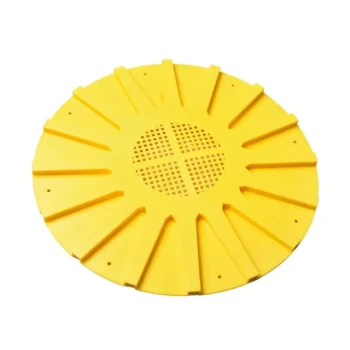
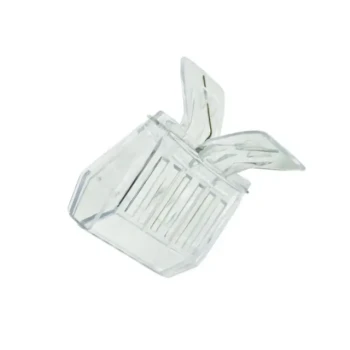
Queen excluders and screened bottom-board systems are the two primary hardware components used for this purpose. A queen excluder sits between the brood box and honey supers, allowing worker bees to pass upward while restricting the queen from entering and laying eggs in harvestable comb. A screened wire-mesh bottom board, combined with a removable monitoring tray, supports pest monitoring, ventilation, and the removal of mites and debris from the colony.
The most effective hardware package combines a correctly fitted queen excluder for honey purity with a screened bottom board and monitoring tray for integrated pest management. Additional components, including entrance guards, hive stands, ventilation hardware, and entrance reducers, help defend the colony against rodents, crawling pests, overheating, and infestation.
Preventing Queen Egg-Laying in Honey Supers
Queen Excluders Separate Brood and Honey Areas
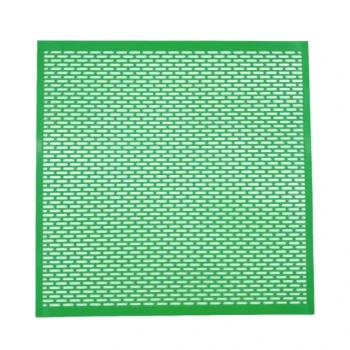
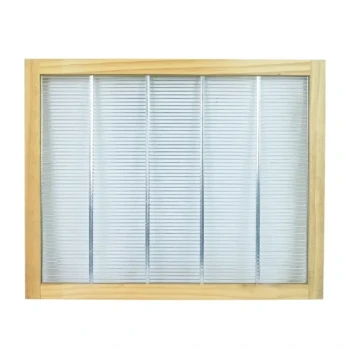
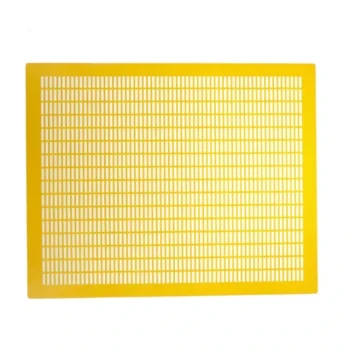
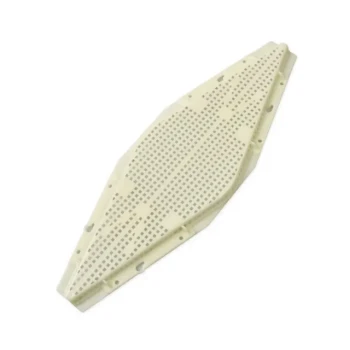
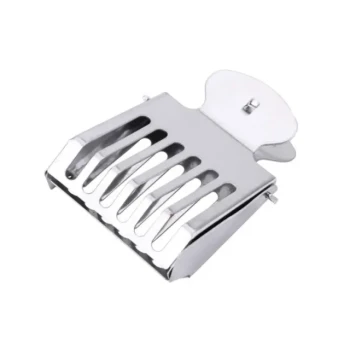
A queen excluder is installed directly between the lower brood cabinet and the upper honey supers. Its precisely sized grid openings permit smaller worker bees to move through while restricting the larger queen.
This physical barrier prevents the queen from entering the supers and laying eggs in comb intended for harvest. It helps maintain honey purity and simplifies inspection of the harvest area.
Excluder Design and Fit Matter
For reliable performance, the excluder should match the hive body dimensions and sit evenly across the box. Gaps around the edges can allow the queen to bypass the grid, undermining the purpose of the component.
Distributors should offer compatible excluders for standardized hive formats, along with durable materials and consistent grid manufacturing. Dimensional accuracy is particularly important for commercial beekeepers managing multiple colonies.
Supers Provide Space Above the Brood Nest
Honey supers are shallow hive boxes fitted with frames or wax foundation. They provide additional storage space for incoming nectar and help prevent honey from congesting the brood nest.
Beekeepers should add supers and install the queen excluder before the main nectar flow begins. Providing space early helps reduce overcrowding and supports orderly honey production.
Managing Mites and Hive Debris
Screened Wire-Mesh Bottom Boards
A screened bottom board replaces a solid floorboard with wire mesh beneath the colony. Mites, wax particles, and other debris can fall through the screen rather than remain within the hive.
The screen also supports airflow through the hive, which can be valuable during warm weather and periods of high colony activity. The component should be built with a stable frame and a properly supported mesh surface.
Removable Monitoring Trays
A removable tray positioned beneath the screen collects fallen mites and debris for inspection. This converts the bottom board into a practical diagnostic and pest-management tool.
The tray should slide out easily for counting, cleaning, and treatment checks. Smooth access is important for commercial operations where many colonies must be inspected efficiently.
Shake Jars Support Mite Diagnosis
Specially modified shake jars allow beekeepers to sample bees and perform mite counts. These tools help determine parasite pressure before deciding whether treatment is required.
For wholesalers and resellers, shake jars complement screened bottom boards by providing a more active monitoring method. The bottom board shows what has fallen through the hive, while the shake jar helps evaluate mites present on living bees.
Defending the Hive Against Physical Pests
Mouse Entrance Guards
Metal mouse entrance guards restrict rodents from entering the hive, especially during cooler seasons when mice may seek shelter. They protect comb, stored food, and the internal hive structure from nesting damage.
The guard must preserve adequate bee access and should be removable or adjustable for seasonal management. Compatibility with the hive entrance is essential.
Elevated Hive Stands
Hive stands raise colonies above ground level and help prevent crawling pests from reaching the hive. They also improve hive stability, reduce exposure to ground moisture, and support better airflow beneath the bottom board.
Barrier traps can be added to stand legs to create an additional physical defense against ants and other crawling insects. Stands should be strong enough to support the full weight of brood boxes, honey supers, and stored honey.
Entrance Reducers and Tight-Fitting Hive Hardware
Entrance reducers limit the size of the hive entrance and help colonies defend themselves against robbing, predators, and invading insects. They are particularly useful for smaller or vulnerable colonies.
Precision-machined hive components with tight-fitting joints reduce entry points for wax moths, beetles, and other pests. Standardized dimensions also make it easier to replace damaged parts and move frames between compatible equipment.
Auxiliary Entrance and Ventilation Holes
Small, cork-sized holes drilled below handholds in upper hive bodies or honey supers can improve airflow and provide secondary entrances. They may be useful during hot weather or in colonies requiring additional ventilation.
These openings should be sealable with corks or tape during winter and when managing small colonies. Their placement must avoid creating unnecessary openings that weak colonies cannot defend.
Supporting Ventilation and Colony Control
Inner and Outer Cover Ventilation
Notched inner covers provide an airflow route between the hive interior and the outer cover. The outer cover should be positioned so its overhang does not block the ventilation opening.
Wooden spacers or domed screws at the corners of the inner cover can create a small elevated gap between the cover and hive body. This hardware improves circulation while preserving the protective function of the cover.
Hive-Body Management Reduces Congestion
Reversing hive bodies in early spring can distribute a growing bee population more evenly. Adding supers before the main nectar flow provides the colony with storage capacity before congestion becomes severe.
These practices work alongside hardware. A queen excluder cannot compensate for insufficient super space, poor ventilation, or delayed inspections.
Inspection Access Is Part of the System
Colonies should generally be inspected once or twice per week during active management periods to assess queen position, honey storage, and pest presence. Daily disturbance can stress the colony without providing proportionate management value.
Hardware should therefore support fast access to the brood box, supers, bottom board, and monitoring tray. Efficient inspection reduces labor for commercial apiaries and improves consistency across an equipment fleet.
Understanding the Trade-offs
Queen Excluders Can Restrict Worker Movement
Although queen excluders prevent the queen from entering honey supers, some colonies may be slower to move workers through the grid. Beekeepers must confirm that the colony is strong enough and that the super contains accessible comb or foundation.
Incorrect placement, poor fit, or a dirty excluder can reduce its effectiveness. Regular inspection is necessary to verify that the queen remains below the barrier.
Screened Bottom Boards Are Not a Complete Treatment
A screened bottom board can assist with mite monitoring and sanitation, but it should not be treated as a standalone solution for Varroa control. Mite pressure should be assessed with appropriate sampling methods, and treatment decisions should follow the beekeeper's management program.
The screen and tray also require regular cleaning. A neglected tray can accumulate debris, complicate diagnosis, and reduce the value of monitoring data.
Ventilation Openings Require Seasonal Control
Additional entrances and ventilation holes can improve airflow during hot weather, but excessive openings may expose weak colonies to robbing or pests. Sealable designs give beekeepers more control as weather and colony strength change.
Covers, reducers, guards, and screens should be selected as a coordinated system rather than as isolated parts.
Hardware Quality Affects Operating Cost
Poorly machined joints, warped covers, weak mesh, and incompatible dimensions create recurring maintenance problems. For distributors and B2B resellers, product consistency is as important as the individual component's function.
A full-spectrum portfolio of compatible boxes, frames, excluders, bottom boards, trays, stands, guards, reducers, and covers simplifies procurement and reduces fulfillment errors.
Making the Right Choice for Your Goal
The appropriate product mix depends on whether the priority is honey purity, pest control, colony ventilation, or scalable apiary operations.
- If your primary focus is honey purity: Supply correctly sized queen excluders, compatible honey supers, frames, and wax foundation for reliable separation between brood and harvest areas.
- If your primary focus is mite monitoring: Pair screened wire-mesh bottom boards with removable monitoring trays and specialized shake jars.
- If your primary focus is rodent and crawling-pest defense: Combine metal mouse entrance guards, entrance reducers, elevated hive stands, and barrier traps.
- If your primary focus is hot-weather ventilation: Provide notched inner covers, suitable outer-cover spacing hardware, and sealable auxiliary entrances.
- If your primary focus is commercial procurement: Source standardized, mutually compatible hive components through a supplier capable of rapid response, dedicated service, and efficient multi-item fulfillment.
The right combination of structural hive accessories turns queen control, honey separation, ventilation, inspection, and pest management into a coordinated and repeatable operating system.
Summary Table:
| Component | Primary Function | Key Benefit |
|---|---|---|
| Queen Excluder | Restricts queen from honey supers | Maintains honey purity |
| Screened Bottom Board | Allows debris and mites to fall through | Supports mite monitoring and ventilation |
| Removable Monitoring Tray | Collects debris for inspection | Enables pest assessment |
| Mouse Entrance Guard | Blocks rodents | Protects comb and structure |
| Hive Stand | Elevates hive off ground | Deters crawling pests, improves airflow |
| Entrance Reducer | Limits entrance size | Aids in hive defense |
| Inner Cover Notch | Provides ventilation opening | Improves airflow |
Upgrade your hive management with HONESTBEE's comprehensive range of beekeeping hardware. From precision queen excluders to durable screened bottom boards, our products are designed for reliability and efficiency. As a one-stop supplier for commercial apiaries and distributors, we offer competitive margins, OEM/ODM support, certifications, and rapid fulfillment. Contact us today to secure a dependable supply chain and enhance your customers' beekeeping success. Get in touch now!
Related Products
- High Performance Plastic Queen Excluder for Beekeeping and Apiary Management
- Lightweight Durable Plastic Queen Excluder Scraper for Beekeeping
- Premium Wood Framed Metal Wire Queen Bee Excluder
- Professional Plastic Queen Excluder for Modern Beekeeping
- Metal Queen Bee Excluder for Beekeeping
People Also Ask
- What are the characteristics of a plastic queen excluder? Key Benefits for Cost-Effective Beekeeping
- What are the operational and cost advantages of using plastic queen excluders over metal or wire excluders in commercial hive management? Discover how they reduce labor, prevent wing damage, and lower total costs.
- What types of queen excluders are available for beekeepers? Choose the Right Tool for Your Hive
- Why are standardized hive frames and queen excluders essential for maintaining honey purity and quality? Scale Your Purity
- Do plastic queen excluders work? A Cost-Effective Solution for Modern Apiaries