Sublethal pesticide exposure can weaken a honey bee colony without killing bees immediately. Neonicotinoids and other agricultural chemicals may impair foraging, memory, learning, navigation, feeding behavior, and immune function. Commercial beekeepers can reduce these risks by supplying uncontaminated feed inside the hive and using entrance-control, ventilation, protective-covering, and hive-transport equipment during high-risk spraying periods.
The central strategy is exposure reduction: provide clean nutrition inside the hive, prevent direct contact with spray, and relocate or temporarily confine colonies only when conditions allow safe ventilation, temperature control, and rapid reopening.
Why Sublethal Exposure Matters
Damage can accumulate below the lethal threshold
A bee does not need to die immediately for pesticide exposure to harm the colony. Repeated low-dose exposure can reduce individual performance and gradually weaken the workforce responsible for foraging, brood care, defense, and temperature regulation.
Systemic pesticides can move into crop nectar and pollen, exposing bees as they collect food from treated fields. Fungicides and mixtures involving other agricultural or in-hive chemicals may further increase stress on bee physiology and colony health.
Foraging and navigation become less reliable
Sublethal exposure to neonicotinoids and related compounds can interfere with learning, memory, motor function, homing, and navigation. Affected foragers may struggle to locate food or return to the hive.
The practical result is a smaller effective workforce, reduced incoming nutrition, and greater pressure on the bees that remain active.
Immunity and nutrition can deteriorate
Pesticide exposure may weaken immune function and disrupt normal feeding and digestion. Contaminated pollen can also affect the nutritional environment of developing brood, particularly when chemical exposure is sustained.
A colony under nutritional and immune stress is less able to recover from parasites, pathogens, poor weather, or additional chemical exposure.
Colony and business performance can decline
Sublethal effects may appear as reduced brood production, lower honey yields, slower population growth, and diminished pollination performance. These impacts create both biological risk and direct financial losses for commercial apiaries.
How Clean Feeding Reduces Forage Dependence
Use internal division-board feeders
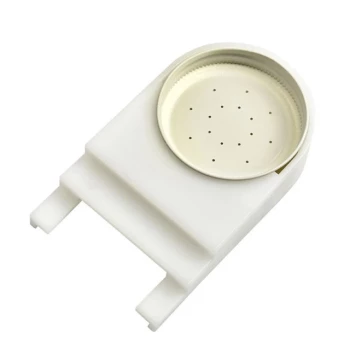
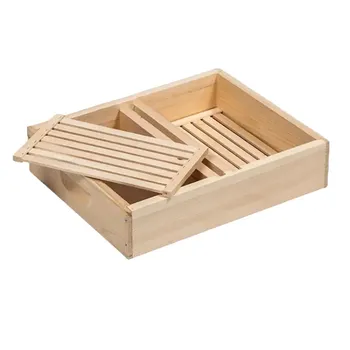
An internal division-board feeder supplies sugar syrup within the hive, allowing bees to access clean nutrition without relying as heavily on pesticide-exposed flowers.
It is particularly useful when colonies must remain near agricultural operations during a defined spraying window. The feeder should be installed securely, checked for leakage, and cleaned between uses.
Deploy rapid top feeders for efficient servicing
Rapid top feeders allow commercial operators to replenish syrup from above with less disturbance to the colony. They can be practical for large apiaries where fast, consistent servicing is important.
Because the feeder remains associated with the hive, operators should maintain hygienic filling procedures and prevent syrup spills that could encourage robbing or attract pests.
Supplement nutrition carefully
Sugar syrup can help maintain energy intake, while pollen supplements may support colonies when natural forage is temporarily unsafe or unavailable. Supplements should be clean, fresh, and appropriate for the colony’s condition.
Feeding is a risk-reduction measure, not a complete substitute for uncontaminated forage. It does not remove pesticide residues already present in stored honey, pollen, wax, or the bees themselves.
Protective Hive Hardware for Spray Periods
Control access with entrance reducers or gates
Controllable entrance reducers and entrance gates can limit bee movement during nearby spraying. If temporary confinement is necessary, secure the entrance before application begins and follow the product label, local regulations, and the applicator’s timing information.
This approach is only safe when the hive has adequate space, airflow, shade, and temperature control. Reopen the entrance promptly once the hazard has passed and conditions are suitable.
Preserve ventilation and temperature control
Confined colonies can overheat or become stressed quickly. Use breathable mesh or gauze ventilation where appropriate, provide sufficient internal space, and keep hives shaded from direct sunlight.
Moisture sources such as damp burlap or wet sponges may support cooling and hydration in some operating conditions, but they must be managed hygienically and must not obstruct airflow or create excessive humidity.
Use physical covers as a supplementary barrier
Protective cloths or suitable hive covers can reduce direct contact with spray drift and residues. Covers should not seal the hive in a way that restricts ventilation, traps heat, or prevents normal bee movement.
Physical covering is best treated as one layer in a broader plan that includes spray notifications, distance, timing, entrance control, and relocation.
Relocate colonies when exposure cannot be controlled
Hive transport equipment and migratory beekeeping hardware allow operators to move colonies away from active spray zones. Relocation is often preferable to prolonged confinement when a treated area is large, repeated applications are expected, or safe cooling cannot be guaranteed.
Transport plans should account for secure loading, ventilation, road conditions, access to clean forage, and the time needed to re-establish colonies at the destination.
A Practical Commercial Response Plan
Confirm the spraying window
Maintain communication with growers, applicators, and neighboring land managers. Record the product, application timing, treated area, weather conditions, and expected re-entry interval when that information is available.
Spray drift risk depends on application method and weather, so a simple calendar notification should not replace site-specific assessment.
Prepare feeding and confinement equipment
Before the high-risk period, stage clean internal feeders, rapid top feeders, syrup containers, pollen supplements, entrance controls, mesh ventilation materials, shade covers, and transport hardware.
This preparation is where reliable sourcing matters: a complete product range and rapid fulfillment can be more valuable than purchasing individual items reactively after spraying has begun.
Reduce exposure before application starts
If confinement or relocation is selected, complete the procedure before bees begin intensive flight activity and before application begins. Ensure that colonies have adequate food, ventilation, internal space, and shade.
Never assume that closing the entrance alone makes a hive safe. A closed colony without temperature and airflow controls can suffer severe heat stress.
Inspect colonies after the event
After reopening or relocating, monitor bee activity, brood pattern, food stores, mortality, and signs of disorientation or population decline. Pollen traps and hive-monitoring tools can support early detection of abnormal incoming forage or colony stress.
Where pesticide poisoning is suspected, document symptoms, timing, nearby applications, and samples according to local diagnostic and regulatory procedures.
Understanding the Trade-offs
Feeding does not eliminate pesticide exposure
Clean syrup and supplements reduce dependence on contaminated forage, but they do not detoxify bees or remove residues from stored resources. Feeding should complement, not replace, communication and exposure avoidance.
Confinement can create its own hazards
Temporary closure may prevent direct contact with spray, but it introduces risks of overheating, inadequate ventilation, crowding, dehydration, and food shortage. The duration and environmental conditions must be evaluated before using entrance gates.
Covers can worsen heat and humidity
A physical cover may reduce spray contact while also trapping heat or restricting airflow. Use breathable materials, maintain shade, and inspect the setup rather than treating a cover as a sealed protective enclosure.
Relocation has operational costs
Moving colonies requires labor, transport equipment, suitable destination forage, and careful handling. However, those costs may be justified when repeated exposure threatens colony survival, honey production, pollination contracts, or long-term apiary performance.
Product quality and compatibility matter
Feeders should be leak-resistant, easy to clean, and compatible with the hive format in use. Hardware that is difficult to install or service can slow response times across a commercial operation.
For distributors and resellers, offering compatible feeder systems, entrance controls, ventilation components, protective covers, and transport equipment as a coordinated portfolio can simplify procurement for apiaries.
Making the Right Choice for Your Goal
Select equipment according to the exposure scenario, colony size, local climate, and required response speed.
- If your primary focus is reducing forage exposure: Use clean internal division-board feeders or rapid top feeders, supported by hygienic syrup and appropriate nutritional supplements.
- If your primary focus is preventing direct spray contact: Use controllable entrance gates, breathable protective covers, and adequate ventilation while following application timing and safety requirements.
- If your primary focus is protecting colonies during prolonged or repeated spraying: Prioritize migratory hive transport equipment and relocate colonies to a verified low-risk site.
- If your primary focus is commercial fulfillment: Source compatible feeding, confinement, monitoring, and transport hardware from a responsive supplier able to provide complete orders and rapid delivery.
- If your primary focus is early intervention: Combine pollen sampling and hive monitoring with records of spraying schedules, colony condition, and post-exposure changes.
With coordinated planning, clean feeding, protective hive hardware, and dependable equipment supply, commercial beekeepers can reduce pesticide-related stress while keeping colonies productive and resilient.
Summary Table:
| Aspect | Sublethal Effects | Mitigation with Equipment |
|---|---|---|
| Foraging & Navigation | Impaired learning, memory, homing | Internal feeders, top feeders provide clean food near hive |
| Immunity & Nutrition | Weakened immune function, poor digestion | Pollen supplements, clean syrup |
| Spray Contact | Direct exposure to pesticides | Entrance reducers, protective covers, ventilation |
| Prolonged Exposure | Accumulated stress, colony decline | Hive transport for relocation |
| Operational Efficiency | Reduced yields, financial loss | Comprehensive equipment from one supplier |
Protect your colonies from pesticide stress with reliable feeding and hive protection equipment. HONESTBEE offers a full range of high-quality feeders, entrance controls, ventilation, covers, and transport hardware for commercial apiaries and distributors. Benefit from our one-stop sourcing, rapid delivery, and dedicated support. Contact us today to discuss your needs and secure a resilient beekeeping operation.
Related Products
- Rapid Bee Feeder White Plastic 2L Round Top Feeder for 8 or 10-Frame Bee Hives
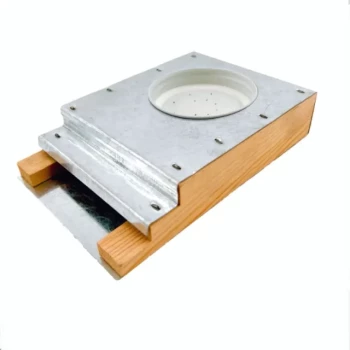
- Boardman Entrance Bee Feeder Durable Galvanized Steel and Wood Construction for Beekeeping
- HONESTBEE Entrance Bee Feeder Efficient Hive Front Liquid Feeding Solution for Beekeeping
- HONESTBEE Entrance Bee Feeder Professional Hive Nutrition Solution for Beekeeping
- Classic Boardman Entrance Bee Feeder Hive Front Feeding Solution
People Also Ask
- What should be done with feeders and equipment after feeding bees? Essential Steps for Apiary Health
- What should be done if feed in a feeder is not consumed by the bees? Prevent Hive Mold with Prompt Feed Management
- What is the necessity of specialized internal or entrance feeders? Secure Your Hive with Professional Feeding Tools
- How do bee feeders work to preserve colony health during nectar shortages? Essential Guide for Beekeepers
- How quickly does a medium to strong colony usually empty a feeder? A Beekeeper's Guide to Hive Health