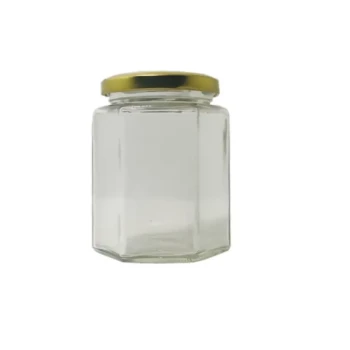
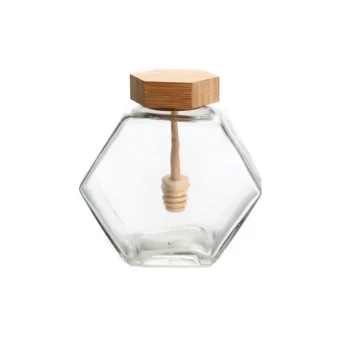
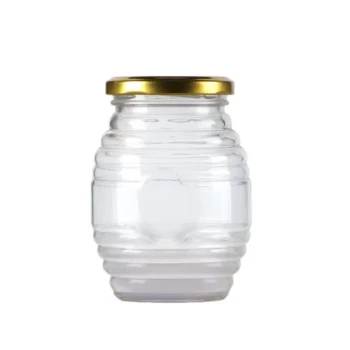
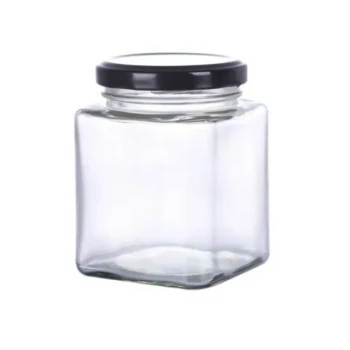
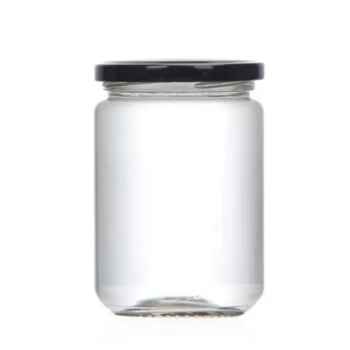
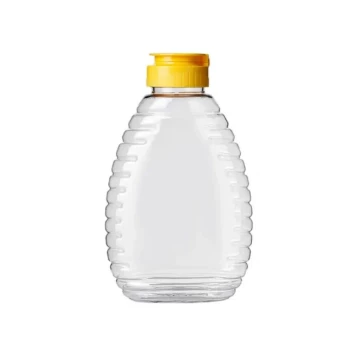
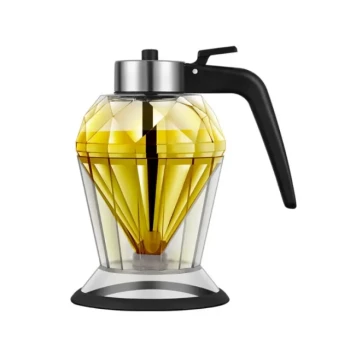
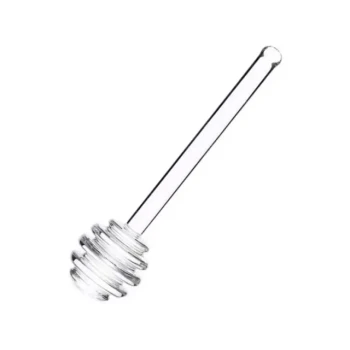
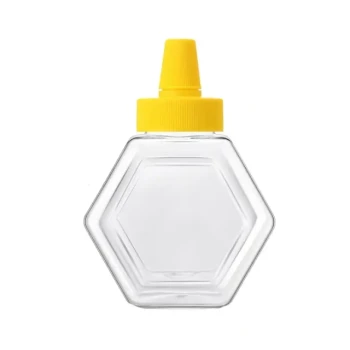
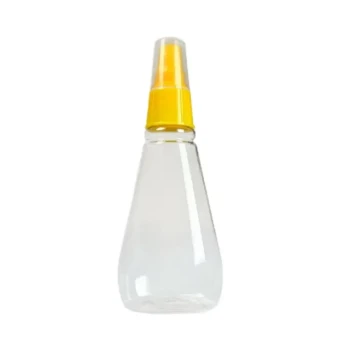
High-transparency glass jars provide a superior technical barrier and an elevated aesthetic that plastic containers cannot match. Technically, glass offers exceptional chemical stability and gas impermeability, preserving the honey's volatile aromatics while preventing external odor contamination. Market-wise, the material allows for high-temperature filling without deformation and enables consumers to visually verify quality factors like color and clarity, directly influencing purchasing decisions.
Core Takeaway Glass is the definitive material for maximizing shelf life and perceived value. By acting as an inert, impermeable shield, it arrests the chemical processes that degrade flavor and texture, while its optical clarity allows the product's natural quality to drive consumer trust.
Superior Preservation of Chemical Integrity
Honey is a complex, chemically active substance that requires a stable environment to maintain its quality. Glass offers a level of inertness that plastic generally cannot achieve.
The Barrier Against Volatility and Odors
Honey contains distinct volatile components that define its specific floral aroma and flavor profile. Glass provides a superior gas barrier compared to plastic, effectively locking these volatile compounds inside the container.
Simultaneously, this barrier prevents external odors from permeating the jar. Because glass is non-porous, it ensures the honey retains its authentic flavor profile without absorbing environmental smells or "plastic" notes.
Preventing Hygroscopic Spoilage
Honey is highly hygroscopic, meaning it naturally attracts and absorbs moisture from the surrounding air. If the water content rises too high, natural yeasts in the honey can trigger fermentation and spoilage.
Glass containers, particularly when paired with metal screw-on lids, provide an airtight seal that isolates the honey from humidity. This prevents moisture ingress, significantly extending the product's shelf life and stability.
Slowing Oxidative Browning
Over time, honey naturally darkens due to oxidation. The superior airtightness of glass blocks oxygen entry more effectively than permeable plastics.
By restricting oxygen exposure, glass slows down the oxidative browning process. This is critical for preserving the lighter, golden hues associated with fresh, high-quality honey.
Processing and Thermal Advantages
Beyond preservation, the physical properties of glass offer distinct advantages during the bottling process.
Thermal Stability During Filling
To manage viscosity and ensure efficient flow, honey is often heated before bottling. Glass can withstand these higher filling temperatures without structurally deforming or leaching chemicals.
Plastic containers, conversely, may warp or weaken when exposed to hot liquids. Glass maintains its rigid structure, ensuring consistent fill levels and package integrity on the production line.
Market Advantage Through Visual Transparency
In the retail environment, the container serves as the primary interface between the consumer and the product. High-transparency glass acts as a psychological tool to lower the barrier to purchase.
Enabling Consumer Quality Inspection
Consumers rely heavily on visual cues to judge food quality. High-transparency glass allows buyers to clearly inspect the color, consistency, and clarity of the liquid honey.
This visibility is crucial because it allows the consumer to spot issues or verify preferences, such as the state of crystallization. By removing the guesswork, transparency utilizes visual perception to lower the consumer's decision-making threshold.
Elevating Brand Perception
Glass is traditionally associated with premium quality and sustainability. Its weight and rigidity provide an elevated tactile experience that flimsy plastics cannot replicate.
Furthermore, because glass is chemically inert, it guarantees product purity. This positions the product as "gift-grade" or high-end, allowing producers to command a higher price point in the market.
Understanding the Trade-offs
While glass is superior for product preservation and presentation, it introduces logistical challenges that must be managed.
Weight and Shipping Costs
Glass is significantly heavier than plastic. An empty 1 lb glass jar can weigh nearly as much as the product inside (14–16 ounces), leading to higher shipping costs per unit.
Fragility and Handling
Glass is susceptible to shattering. This necessitates investment in protective packaging materials, such as bubble wrap or reinforced boxes, adding to the overall cost of goods sold.
Storage Limitations
Glass requires structured storage solutions. Unlike lightweight plastic, glass containers cannot be stacked excessively high without risking structural failure or breakage, requiring more floor space for warehousing.
Making the Right Choice for Your Goal
To determine if glass is the right vessel for your specific product line, assess your primary business objectives.
- If your primary focus is Flavor Preservation: Choose glass to ensure complete chemical inertness and an airtight barrier against moisture and oxidation.
- If your primary focus is Premium Branding: Utilize high-transparency glass to enable visual inspection and convey a sense of luxury and purity to the consumer.
- If your primary focus is Logistics/Cost: Be prepared to absorb higher shipping and breakage costs with glass, or consider high-grade plastic if weight reduction is critical.
Ultimately, use glass when the integrity of the honey and the trust of the consumer outweigh the efficiency of the supply chain.
Summary Table:
| Feature | High-Transparency Glass Jars | Plastic Containers |
|---|---|---|
| Chemical Stability | Inert; zero leaching or flavor migration | Potential for odor absorption/leaching |
| Oxygen Barrier | Superior; slows oxidative browning | Permeable; faster oxidation risk |
| Moisture Control | Airtight; prevents hygroscopic spoilage | Varies; generally less effective over time |
| Thermal Resistance | High; allows hot filling without deformation | Limited; risk of warping or structural failure |
| Market Appeal | Premium perception; enables visual inspection | Utility perception; often opaque or textured |
| Logistics | Heavier; fragile; requires protective packing | Lightweight; durable; lower shipping costs |
Maximize Your Honey's Value with HONESTBEE
At HONESTBEE, we understand that for commercial apiaries and distributors, the container is as important as the honey itself. Whether you are looking to preserve delicate floral aromatics or command a premium price point on retail shelves, our comprehensive wholesale offering has you covered.
We provide more than just packaging; we supply the full spectrum of beekeeping tools, high-efficiency honey-filling machines, and specialized hardware to streamline your production. From high-transparency glass jars to industrial-grade machinery and honey-themed cultural merchandise, HONESTBEE is your partner in growth.
Ready to elevate your brand's shelf presence and product integrity?
Contact our wholesale experts today to explore our full equipment and packaging portfolio.
References
- Yeşim AYTOP, Hüseyin Meral. Consumers Behavior Towards Bee Products Consumption in The Centre District of Kahramanmaras Province. DOI: 10.18016/ksutarimdoga.vi.561320
This article is also based on technical information from HonestBee Knowledge Base .
Related Products
- Hexagonal Glass Honey Jars with Metal Lug Caps Elegant Versatile Packaging
- Classic Drum Shaped Glass Honey Jar with Airtight Lid
- Hexagonal Glass Honey Jar with Wooden Lid Integrated Dipper Elegant Functional Storage
- Classic Glass Honey Jar with Metal Lug Cap for Beehive Storage
- Modern Square Glass Honey Jar with Twist Off Lid
People Also Ask
- What is the aesthetic appeal of using glass jars for honey? Elevate Your Brand with Premium Packaging
- What are the logistical challenges associated with using glass jars for honey packaging? Navigating Weight & Fragility
- What are the advantages of glass containers for honey? Elevate Quality and Market Value with Premium Packaging
- What are the technical advantages of using glass jars for honey? Master Commercial Packaging for Premium Purity
- What are the advantages of using glass jars for honey packaging? Preserve Purity & Elevate Your Brand