The foundation of a beehive frame dictates how your bees will build their comb and impacts the long-term management of the colony. The two most prominent types of foundation used in modern beekeeping are beeswax-coated plastic foundation and pure beeswax foundation.
Beekeepers must balance the rigidity and convenience of plastic against the biological benefits of pure wax. While pure wax promotes even comb and allows for sterilization, it carries the risk of introducing chemical residues, whereas plastic offers durability but requires coating to ensure acceptance by the bees.
Primary Foundation Materials
Beeswax-Coated Plastic
This is a rigid sheet of plastic that mimics the hexagonal pattern of honeycomb.
To encourage bees to "draw out" (build) the comb, the plastic is typically coated with a thin layer of beeswax.
This type is favored for its durability and ease of installation, as the rigid sheet simply snaps into the frame.
Pure Beeswax
This foundation consists of a full sheet of pure beeswax pressed with the hexagonal pattern.
It is the traditional choice for beekeepers who prioritize using natural materials within the hive.
Because it is made of natural wax, it is more fragile than plastic and requires careful handling during installation.
Foundation Systems by Frame Type
Plastic Frames
Plastic frames generally come as a single, integrated unit or with a pre-installed plastic foundation.
These are typically made from inexpensive, nontoxic materials designed to withstand the hive environment.
Wooden Frames
Wooden frames are more versatile and can accommodate three specific foundation methods: plastic, wax, and wire.
Plastic foundation for wood frames acts as a rigid insert that snaps directly into the wood grooves.
Wax foundation is installed as a full sheet, often requiring additional support to stay in place.
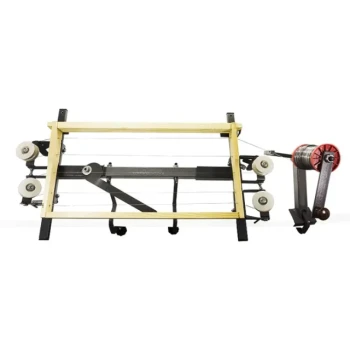
The wire method involves stringing wires across the frame to create a reinforced space where the bees build their comb, often used in conjunction with wax sheets to support the weight of brood and honey.
Understanding the Trade-offs
The Benefits of Wax
Using wax foundation encourages bees to draw out frames evenly and results in less drone comb.
It creates stronger frames that slide smoothly in and out of the hive, reducing the likelihood of crushing bees or causing agitation.
Wax allows for distinct sanitary advantages; wooden frames with wax can be sterilized in a solar wax melter and reused.
The Hidden Risks of Wax
A significant downside to commercial wax foundation is the potential for chemical contamination.
Research has shown that some commercial wax contains residual toxins.
When these residues combine with new environmental toxins brought in by foraging bees, it can lead to sublethal damage to bee cognition and reduced colony hardiness.
Durability vs. Purity
Plastic foundation is highly durable and will not warp or tear during extraction, but it introduces synthetic material into the hive.
Wax foundation is biologically appropriate but lacks the structural rigidity of plastic, requiring wire reinforcement to support heavy loads of honey.
Making the Right Choice for Your Goal
When selecting foundation, consider your philosophy on chemical exposure and your need for equipment durability.
- If your primary focus is natural beekeeping and sanitation: Choose pure beeswax foundation in wooden frames, as this allows you to melt down and sterilize old combs to remove pathogens.
- If your primary focus is durability and ease of use: Choose beeswax-coated plastic foundation, as it snaps easily into frames and withstands the rigors of extraction without reinforced wiring.
The best foundation is one that supports the colony's health while matching your capacity for equipment maintenance.
Summary Table:
| Foundation Type | Material | Pros | Cons |
|---|---|---|---|
| Plastic Foundation | Beeswax-coated plastic | Highly durable, easy to install, withstands extraction | Synthetic material, requires coating for bee acceptance |
| Pure Wax Foundation | 100% Natural beeswax | Encourages even comb, allows for sterilization | Fragile, potential for chemical residues, requires wiring |
| Wired Wax | Wax with embedded wire | Stronger support for heavy honey loads | Higher labor for installation |
Scale Your Beekeeping Business with HONESTBEE
Choosing the right foundation is just the first step in managing a productive apiary. At HONESTBEE, we empower commercial apiaries and global distributors with high-quality, wholesale-ready beekeeping solutions. From precision hive-making and honey-filling machinery to a full spectrum of beekeeping tools and essential consumables, we provide the hardware you need to grow.
Ready to upgrade your equipment or stock your inventory? Our experts are here to support your business goals with reliable supply chains and industry-leading expertise.
Contact Us Today to Get a Quote
Related Products
- HONESTBEE Wired and Assembled Wooden Bee Frames Foundation for a Thriving Hive
- Assembled Wooden Bee Frames with Plastic Foundation for Durability and Convenience by HONESTBEE
- Assembled Wooden Bee Frames with Beeswax Foundation Ready to Use by HONESTBEE
- Food Grade Plastic bee Foundation for Bee Frames
- Plastic Bee Frame Beekeeping Hive Frames for Wholesale
People Also Ask
- What role does replacing foundation and frames play in controlling American Foulbrood (AFB)? A Key to Hive Sanitation
- What is the role of frames and foundation in a bee hive? Build a Stable and Productive Apiary with Modern Design
- What is the difference between frames and foundation in a bee hive? A Guide to Hive Structure and Comb Building
- What is the purpose of frames and foundations in a beehive? Achieve a Healthy, Manageable Hive
- How do wooden and plastic hive frames compare in terms of durability? Wood vs. Plastic Longevity & Repairability